


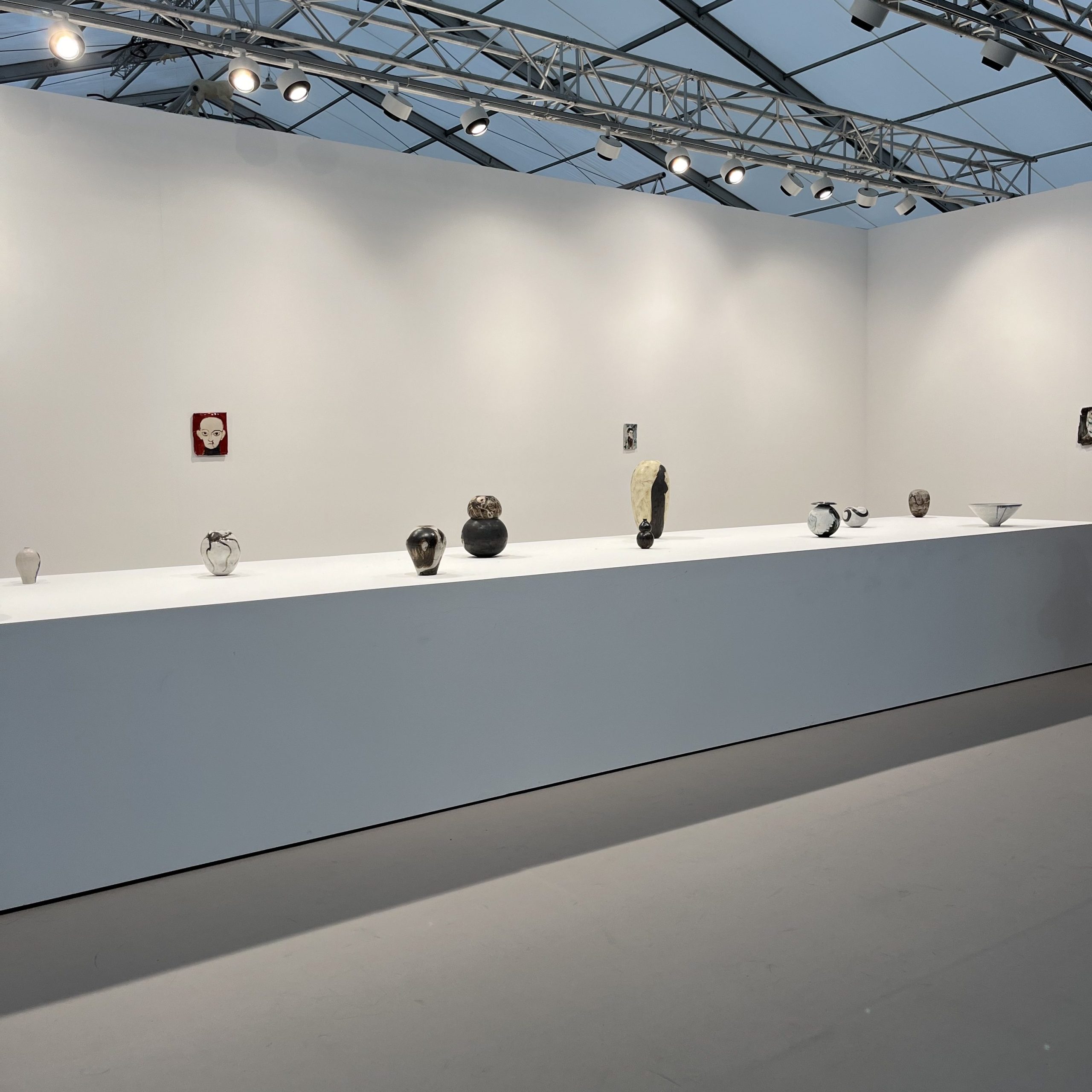
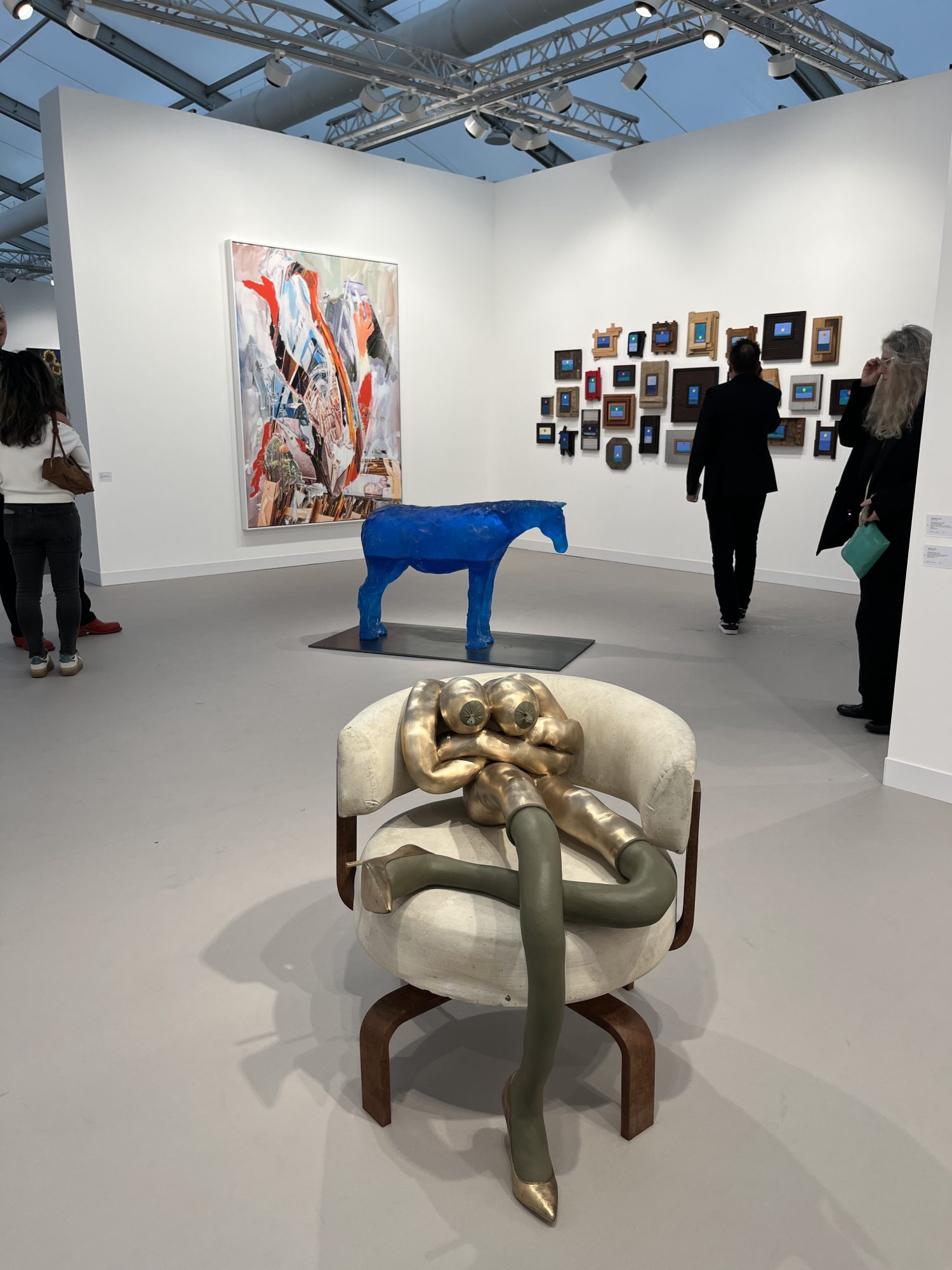
As the white-tipped tents return to London’s Regent’s Park, Frieze London ’25 marks its twenty-second year—one that lands squarely on all four legs. And, like everything in this city, it has surprised everyone involved. Working alongside London-based studio A Studio Between, this year’s fair has spotlighted contemporary artists through curated sections like Artist-to-Artist and Echoes in the Present.
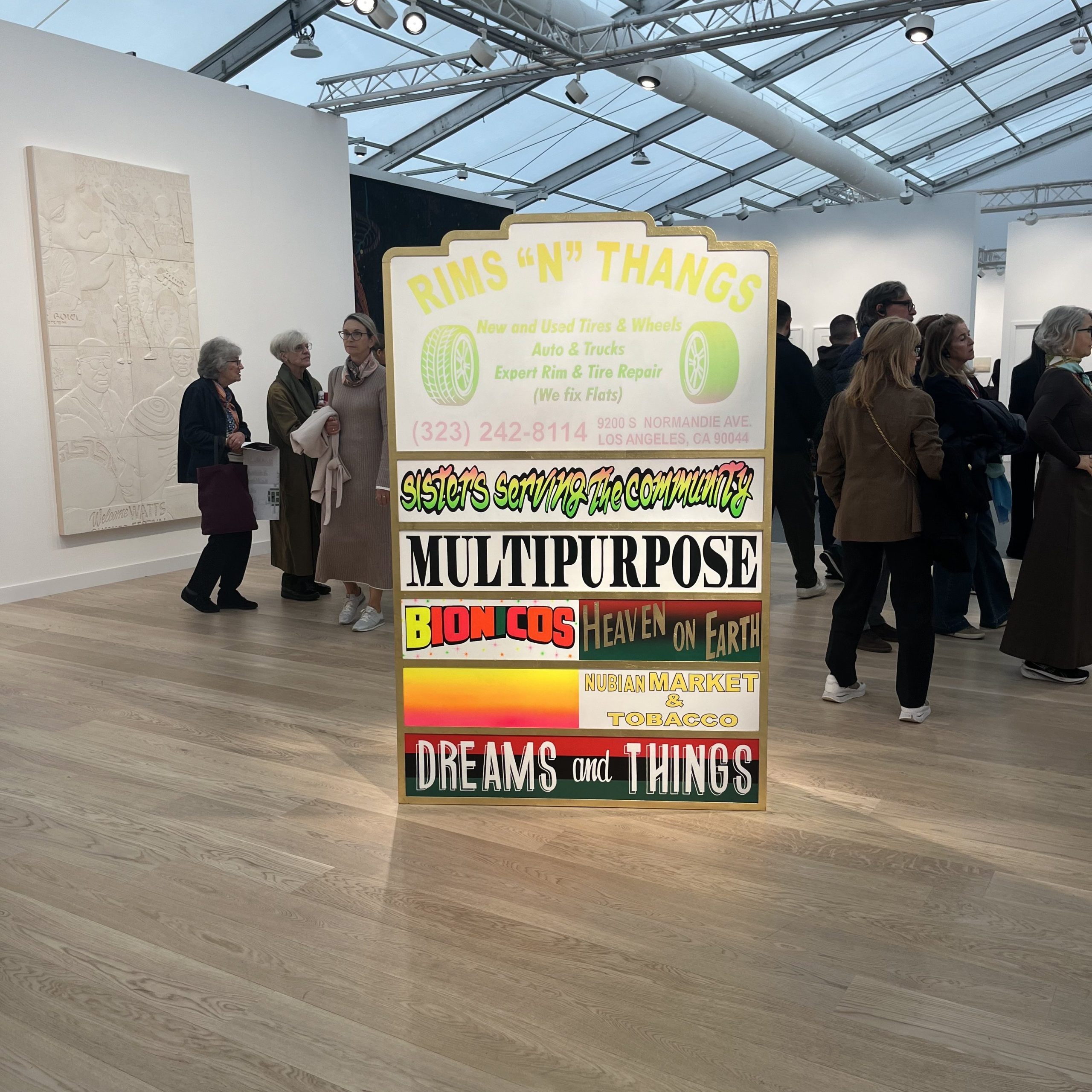
Galleries reported brisk sales, with Gagosian achieving a complete sellout by midday on Wednesday’s VIP preview. Their booth focused on a solo exhibition by Los Angeles–based artist Lauren Halsey, whose new works reimagine urban mythology, Black cultural narratives, and public architecture. True to the art world’s code, Gagosian declined to disclose prices. This success not only reveals surprising economic resilience but also signals a shift in the market toward more socially relevant topics, moving away from the playful kitschiness the fair is sometimes known for.
According to Artsy, early transactions included René Magritte’s Le domaine enchanté (1953) for $1.6 million and Gabriele Münter’s The Blue Garden (1909) for roughly $3 million— among the highest reported sale of the fair. Thaddaeus Ropac sold Robert Rauschenberg’s Polls (1987) for $850,000 and Tony Cragg’s Ivy (2016) for $420,000 on the first day. Despite ongoing uncertainty in Britain’s market and evolving tax policies impacting top buyers, gallerists stayed clear-eyed, and collectors remained active.
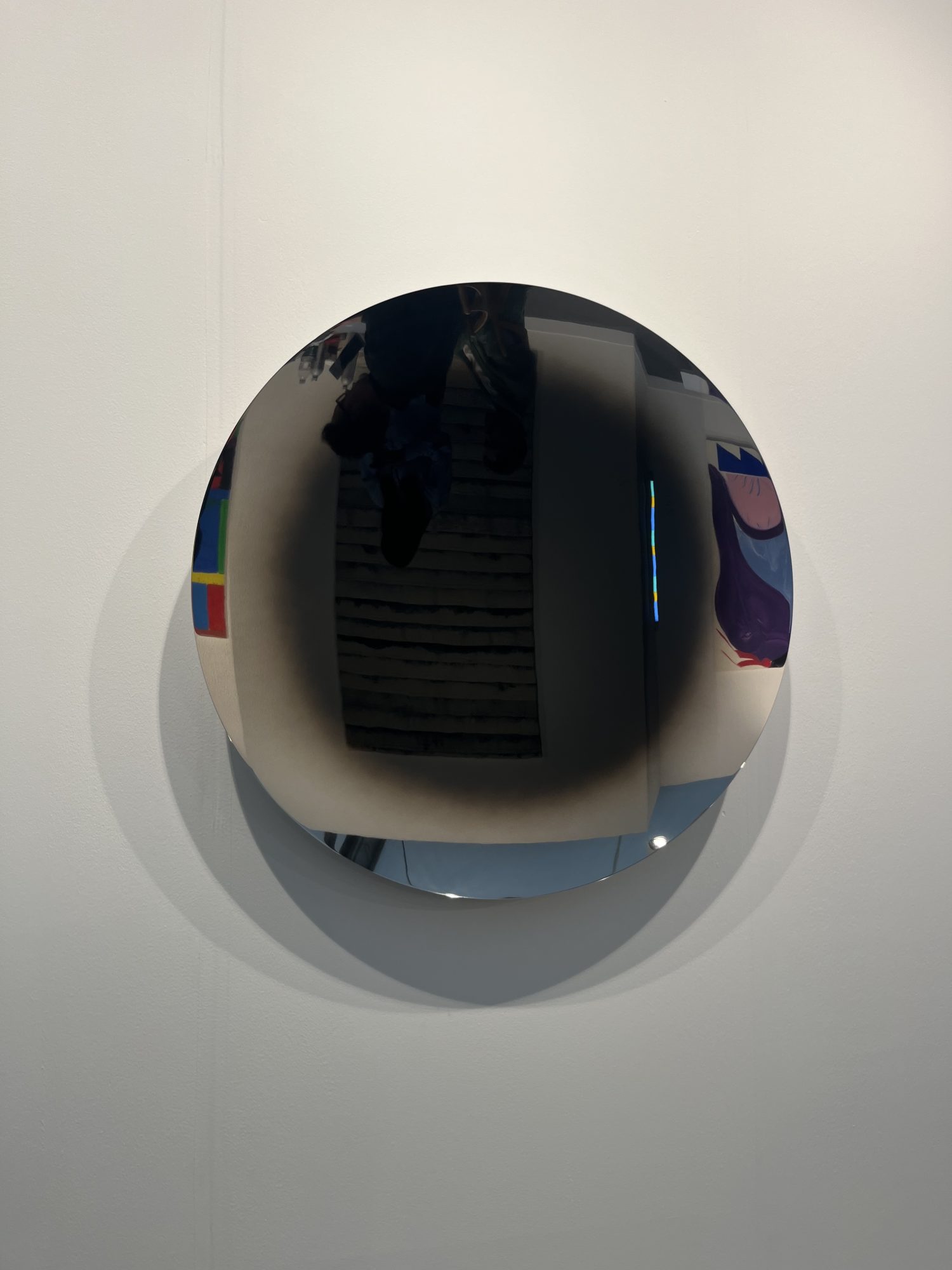
As always, Anish Kapoor’s concave mirror at Kukje Gallery lured large crowds with its reverberations and selfie prospects. There has been no official press release on the sale of the artwork, but the gallery sold major works at Frieze, particularly paintings by Ha Chong-hyun. The Seoul-based gallery presented a collection of works that continued its promise to craft dialogue across cultures and eras. The presentation featured both established and new artists alike.
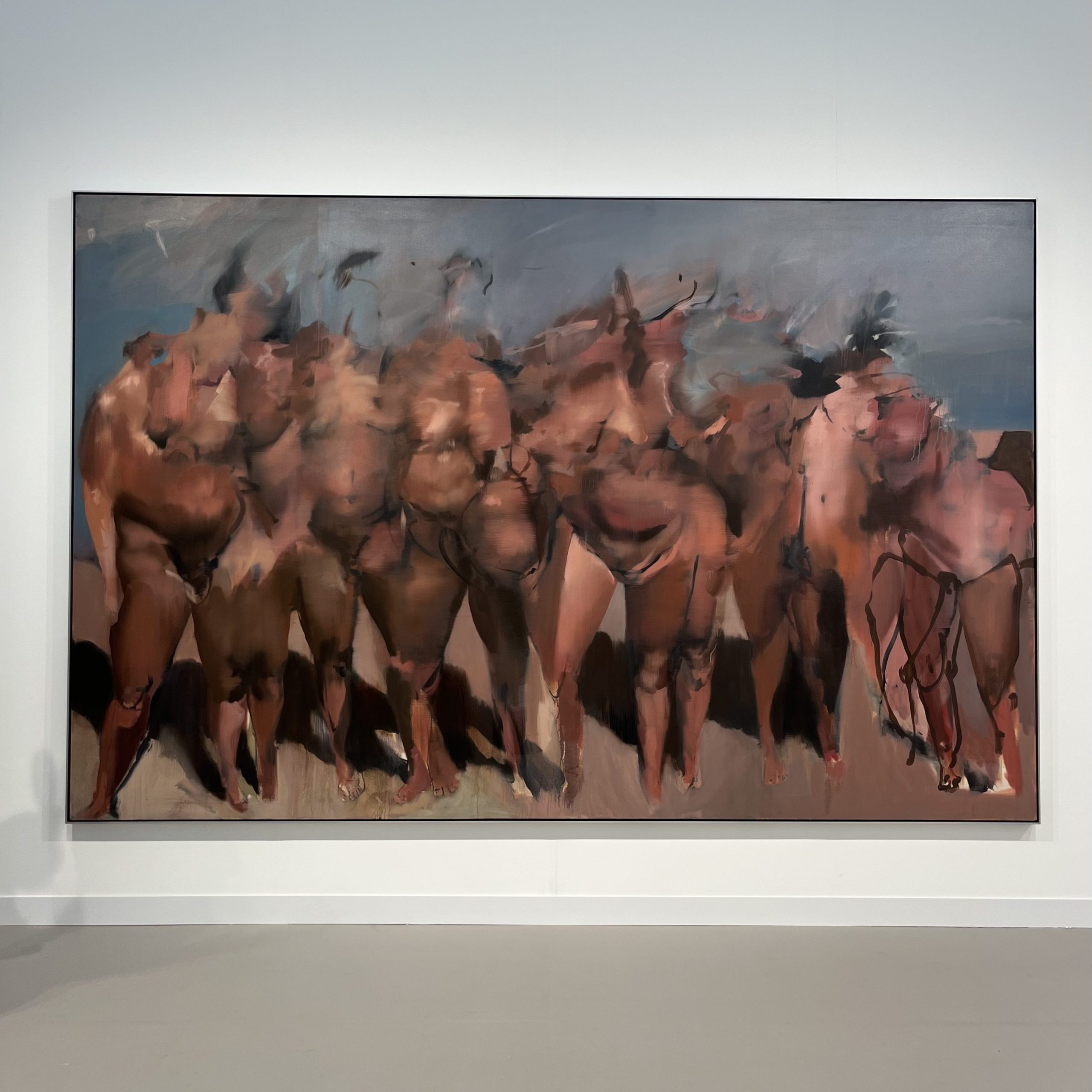
George Rouy’s giant Desireline II (2025) was central to Hauser & Wirth’s booth this year. It had a asking price of £275,000 and was sold as one of the gallery’s top sales of the fair (reported by The Art Newspaper). The gallery sold an impressive number of works—seventeen on VIP day alone—and retained the title for the highest reported sale, a Münter painting at $3 million.
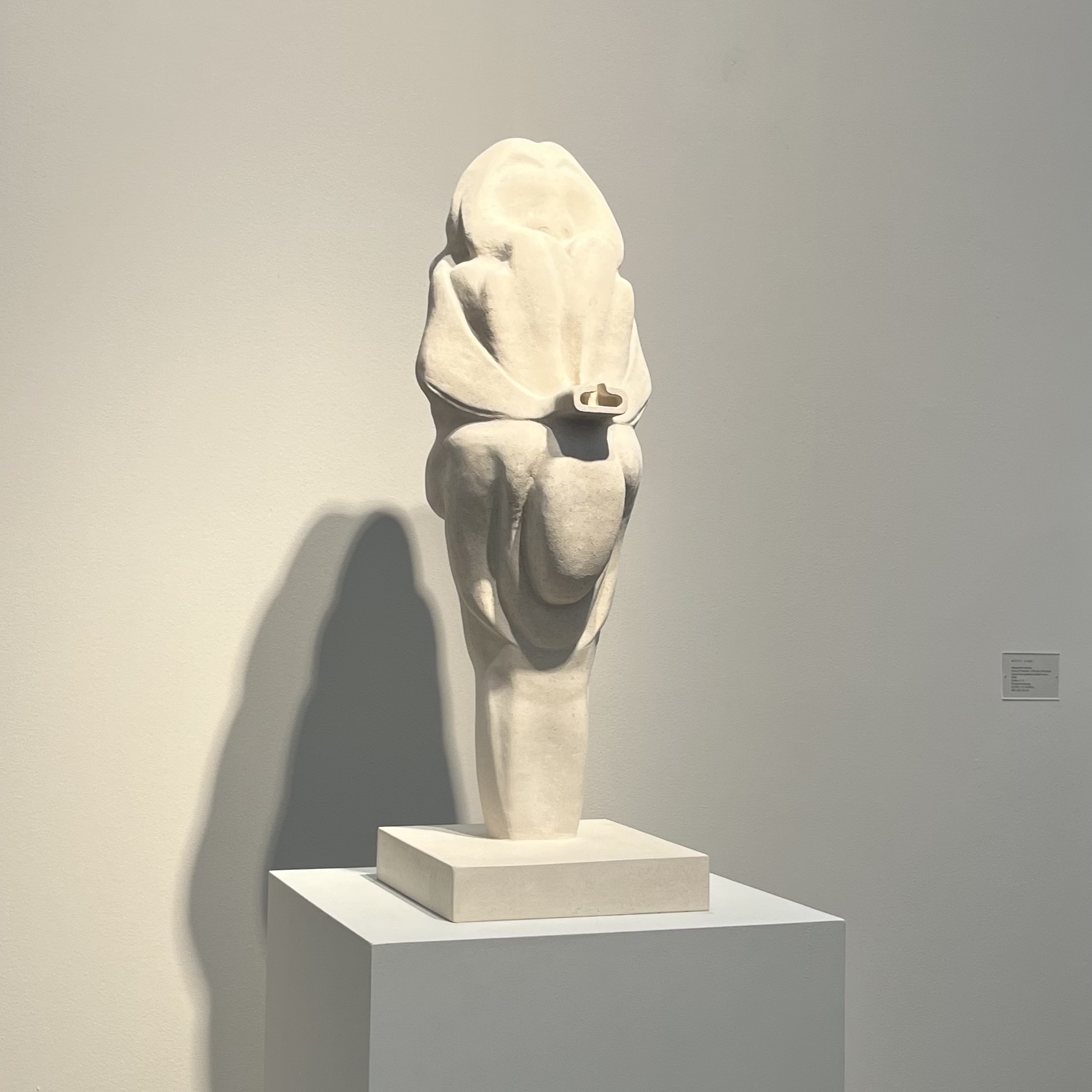
At White Cube, Marguerite Humeau’s series Venus, comprised of nine sculptures, performed well, selling for prices between £40,000 and £200,000 ($53,708–$268,540), reported by Artsy. The booth featured works by three artists—Humeau, Howardena Pindell, and Sara Flores—each exploring nature through historical, cultural, and scientific inspirations.
Lisson Gallery sold Otobong Nkanga’s monumental tapestry mural Cadence–While We Wait and Watch (2025)—measuring 100 × 1050 cm, one of the largest on display. The work grappled with ecological resilience and resource extraction through an innovative, wide-palette digital weaving technique; Lisson did not report a price. The gallery was acclaimed for its fizzy display, fostering cross-generational dialogues and standing as a leading presence at Frieze ’25.
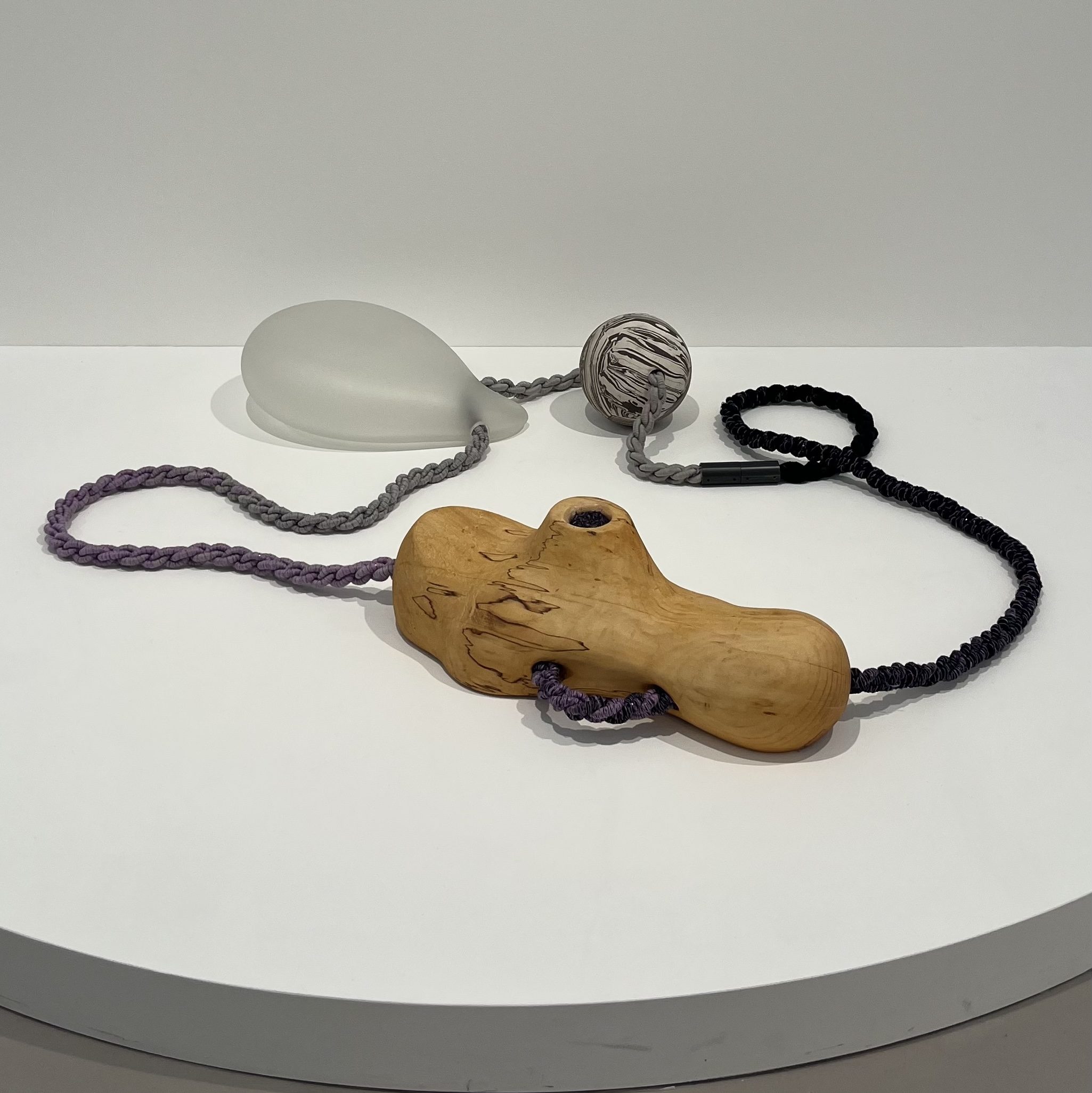
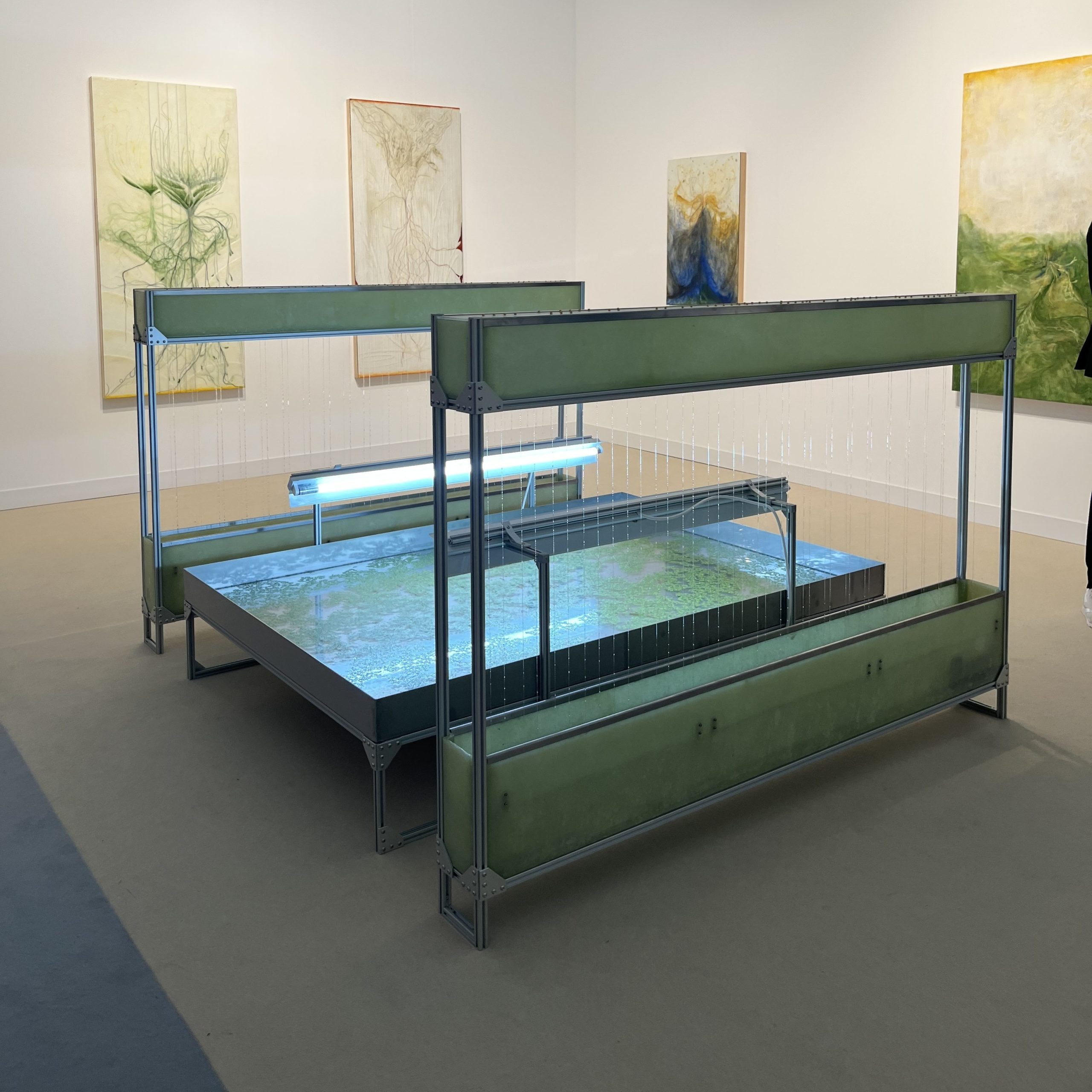
Attention also turned to small galleries in “Focus,” a dedicated section for young galleries under twelve years old, featuring sculpture, installations, and performance art. One standout was Ginny on Frederick, which sold both works it brought to the fair by British artist Alex Margo Arden—Accounts 2025 and Dailyal Accident Record 2025—one of which was acquired by The Arts Council Collection. Another was Xin Liu’s solo show with Public Gallery, which centred on a living installation featuring duckweed and encaustic works, exploring the relationship between plants, people, and systems of circulation. Focus presented a shift away from the old faithful galleries and blue-chip artists, championing innovation and a fresh approach. This emerging generation may yet prove to be what sustains the market.
Frieze London 2025 leaves behind a vivid snapshot of a changing art market: one where innovation, inclusivity, and thoughtful curation drive both conversation and sales.
For more information see the FRIEZE website
All images courtesy of Art Observed
— J. Gataaura