


The 22nd edition of Zona Maco, Latin America’s largest international art fair, opened in early February in Mexico City. Art Observed was on site when the fair brought over 200 galleries from close to 30 countries to CDMX for the whirlwind of exhibitions, performances, and events known as ‘Art Week.’ Zona Maco continues to demonstrate that though the world is only recently catching on, Mexico has always been an artistic nexus – not just as an incubator for native talent, but as an inspiration and refuge for artists of many nationalities who have found places here.
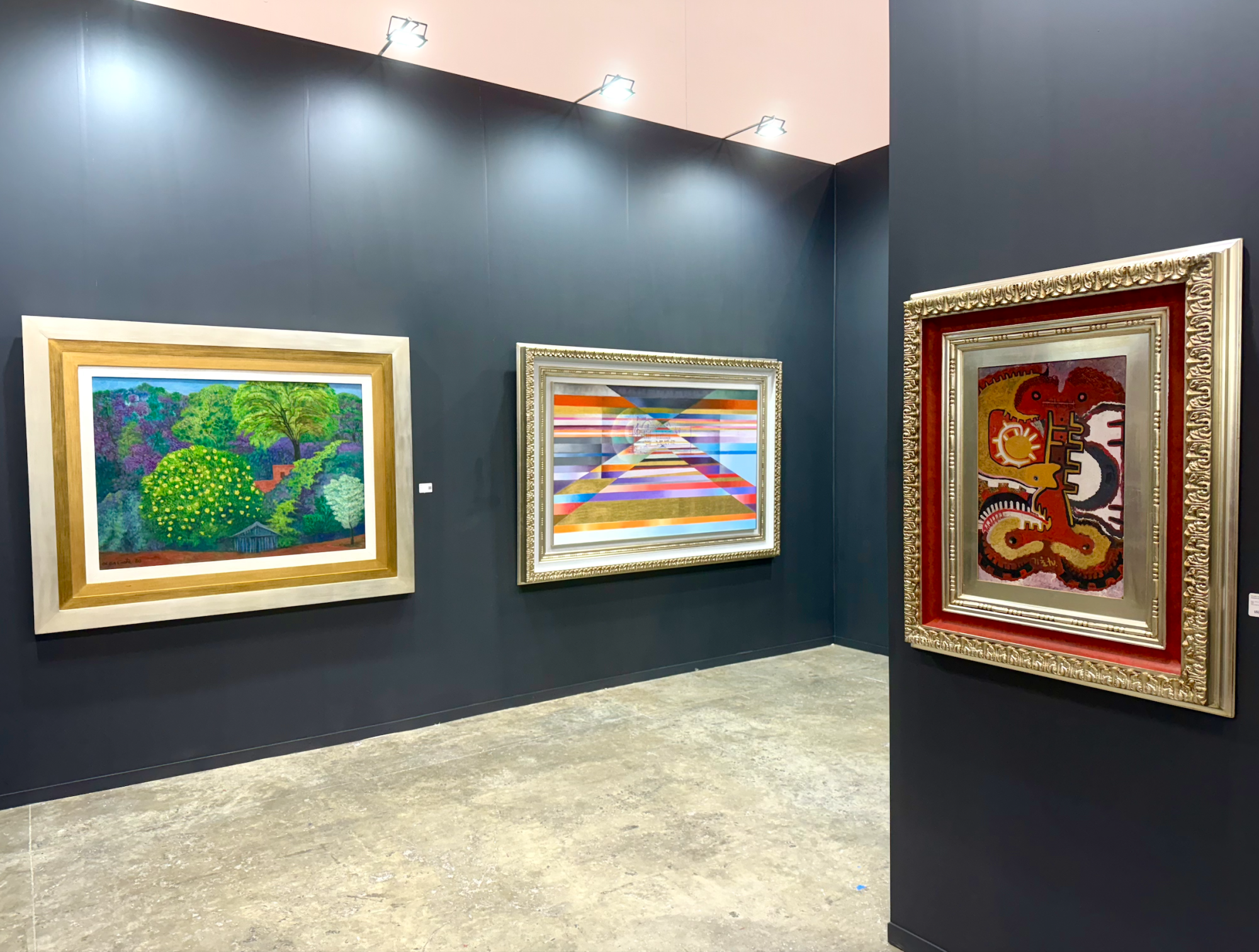
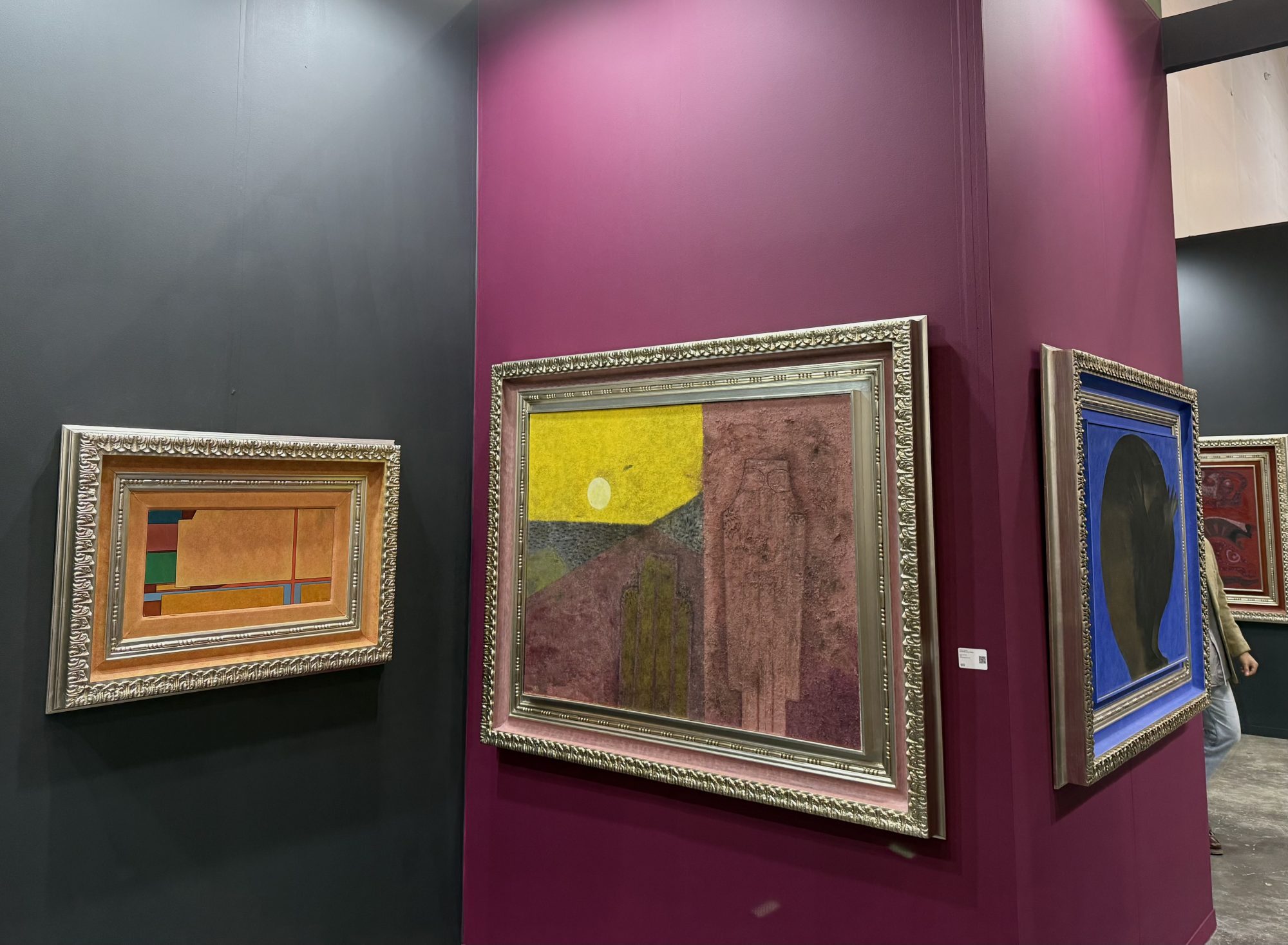
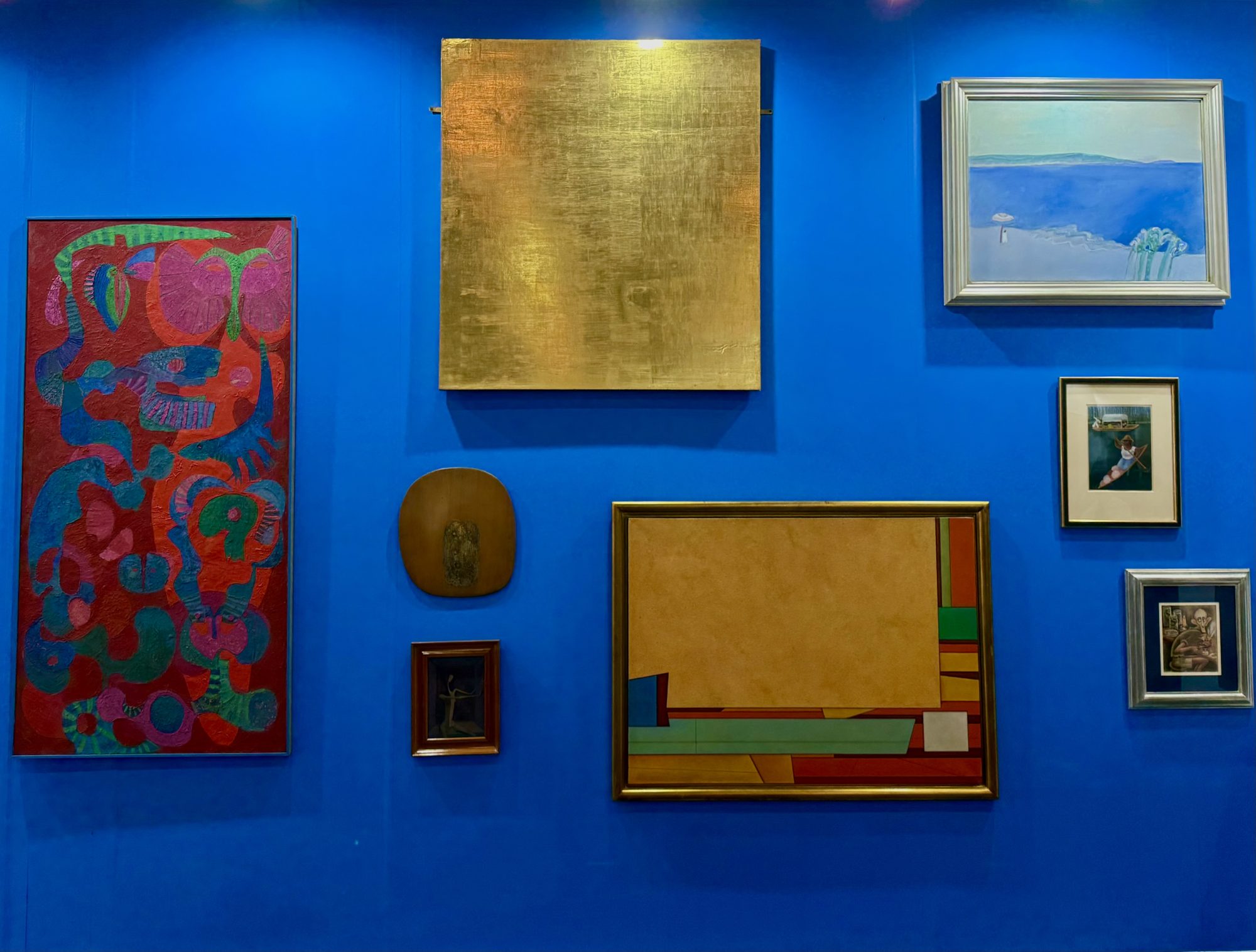
There was a strong historical presence at this edition of Zona Maco. Works by Rufino Tamayo, Fernando Botero, and Wilfredo Lam were all present throughout the fair, and L/S Galería’s roster was a veritable masterclass in Mexican masters, with a selection of works by Tamayo, Rodolfo Nieto, Francisco Corzsas, and Olga Costa, among many others. A showstopping booth by Galería Enrique Guerrero exhibited some of Mexico’s heaviest hitters from the 20th century, with vibrant pieces by Pedro Coronel and Gunther Gerzso taking center stage alongside a shimmering work of gold leaf by Mathias Goeritz, and an ethereal oil in blue by Joy Laville. Along with a small piece by Wolfgang Paalen, the surrealist figures of Miguel Covarrubias and Carlos Orozco Romero lurked in muted palates amongst their colourful counterparts, all against a cobalt backdrop that called to mind Frida Kahlo’s Casa Azul – her legacy and that of her partner, Diego Rivera, sat quietly and proudly behind their peers.
Together, these works form a collage of artistic movements and influences that felt particularly powerful not simply as an indication of Mexico’s artistic prowess, but as a celebration of migration: Goeritz, along with Paalen and Leonora Carrington (who also had a number of works at the fair) were part of a category of artists of European origin who migrated to and found refuge in Mexico in the shadow of WWII (Laville was also an immigrant, though was not brought to Mexico by the war). To see this legacy of split-nationality and refuge prominently displayed at the forefront of the fair was a cogent reminder of the power of acceptance in a time where such values are increasingly attacked elsewhere in the world.
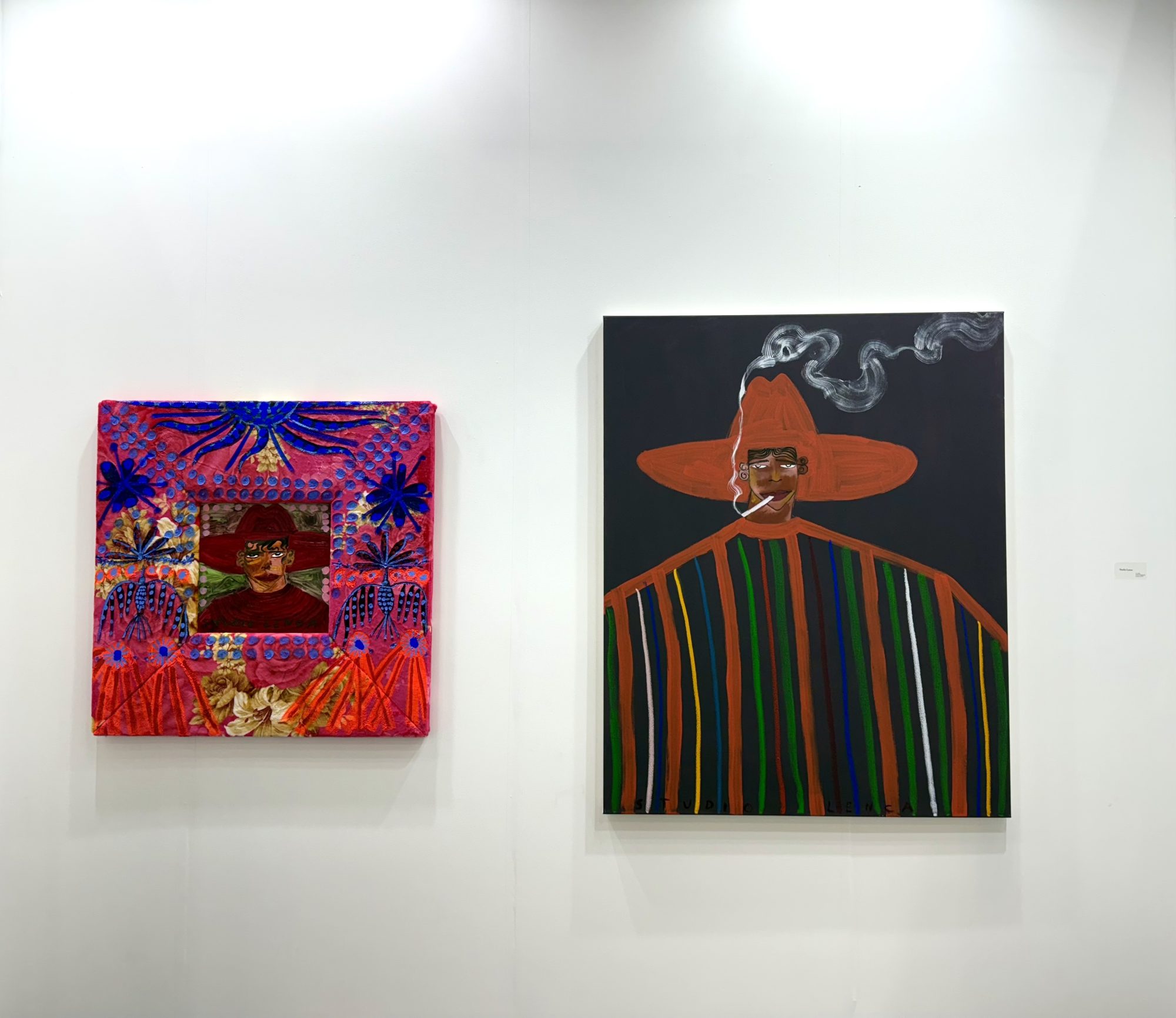
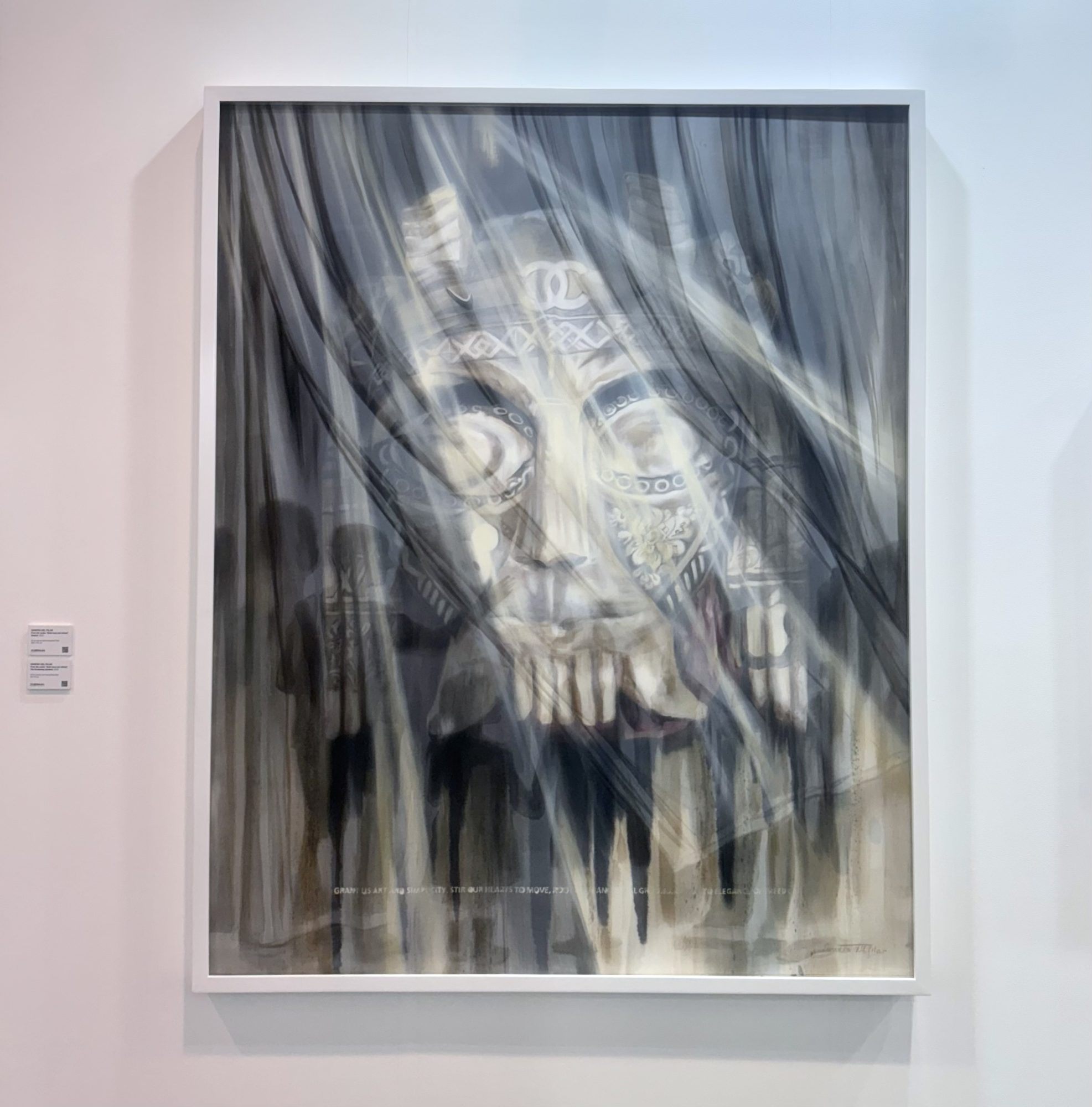
Elsewhere, contemporary art was on full display – works by Studio Lenca and Sandra del Pilar build on traditional Latin American and Mexican motifs, with del Pilar’s ghostly series “Gods Have Not Retired” deriving inspiration from old Mexican dance masks used in ceremony and celebration. Both artists’ work deal with themes of migration, displacement, and colonisation. Meanwhile, a playful and eclectic selection of paintings, sculpture, and mixed media works by Mexican powerhouse gallery Kurimanzutto brought a sense of dynamism and balance to the more traditional painting, sculpture, and textile works displayed elsewhere.
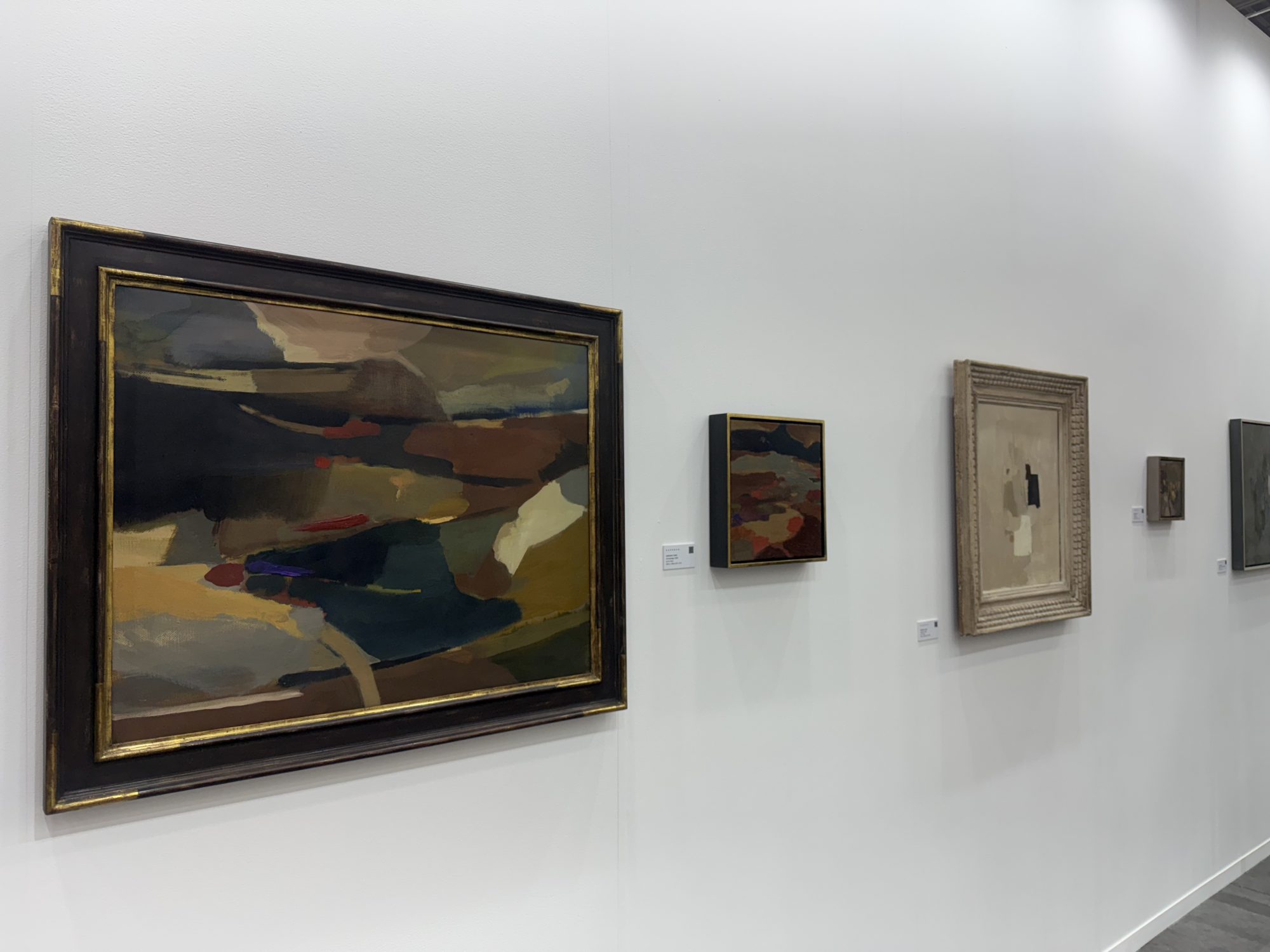
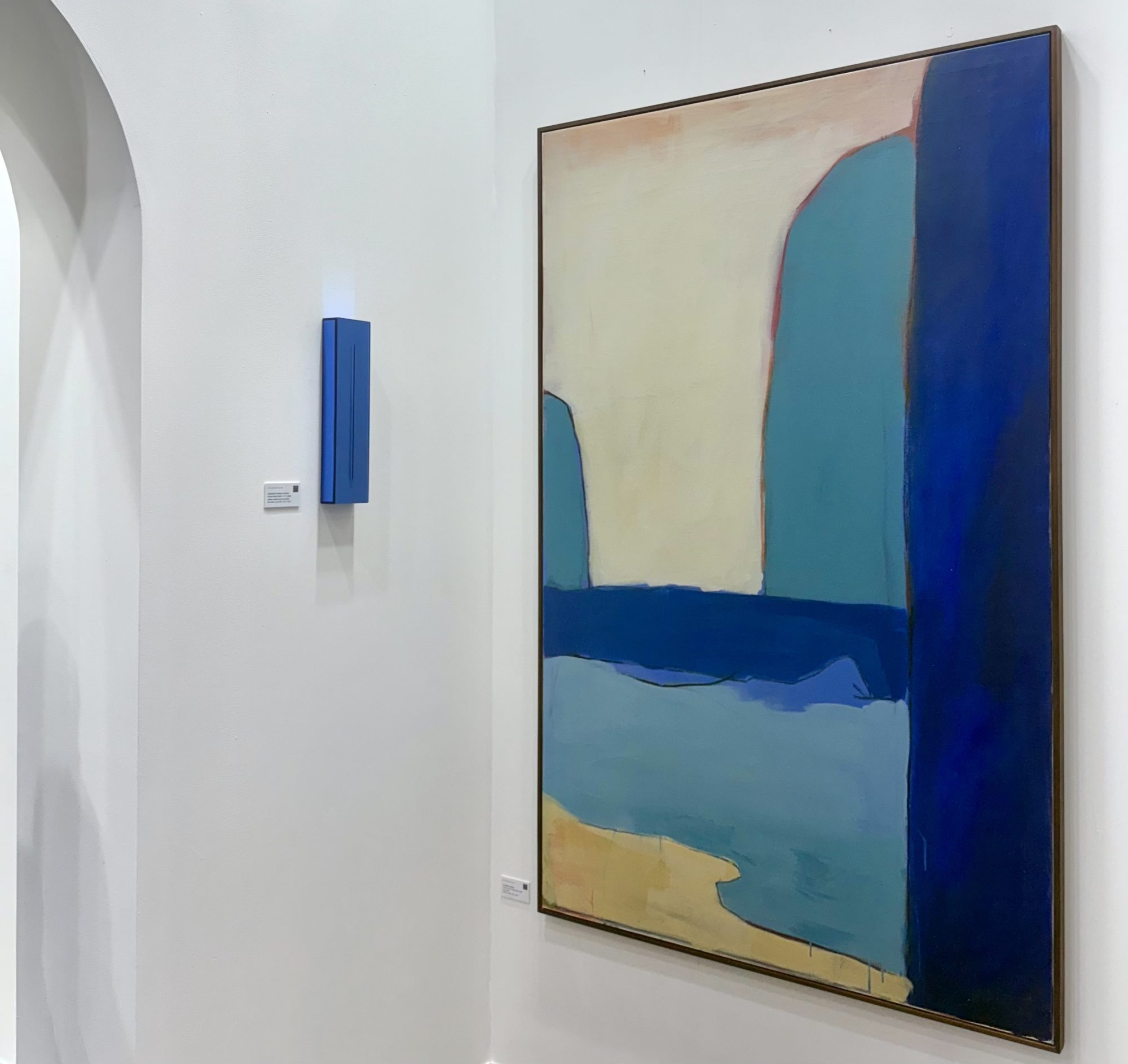
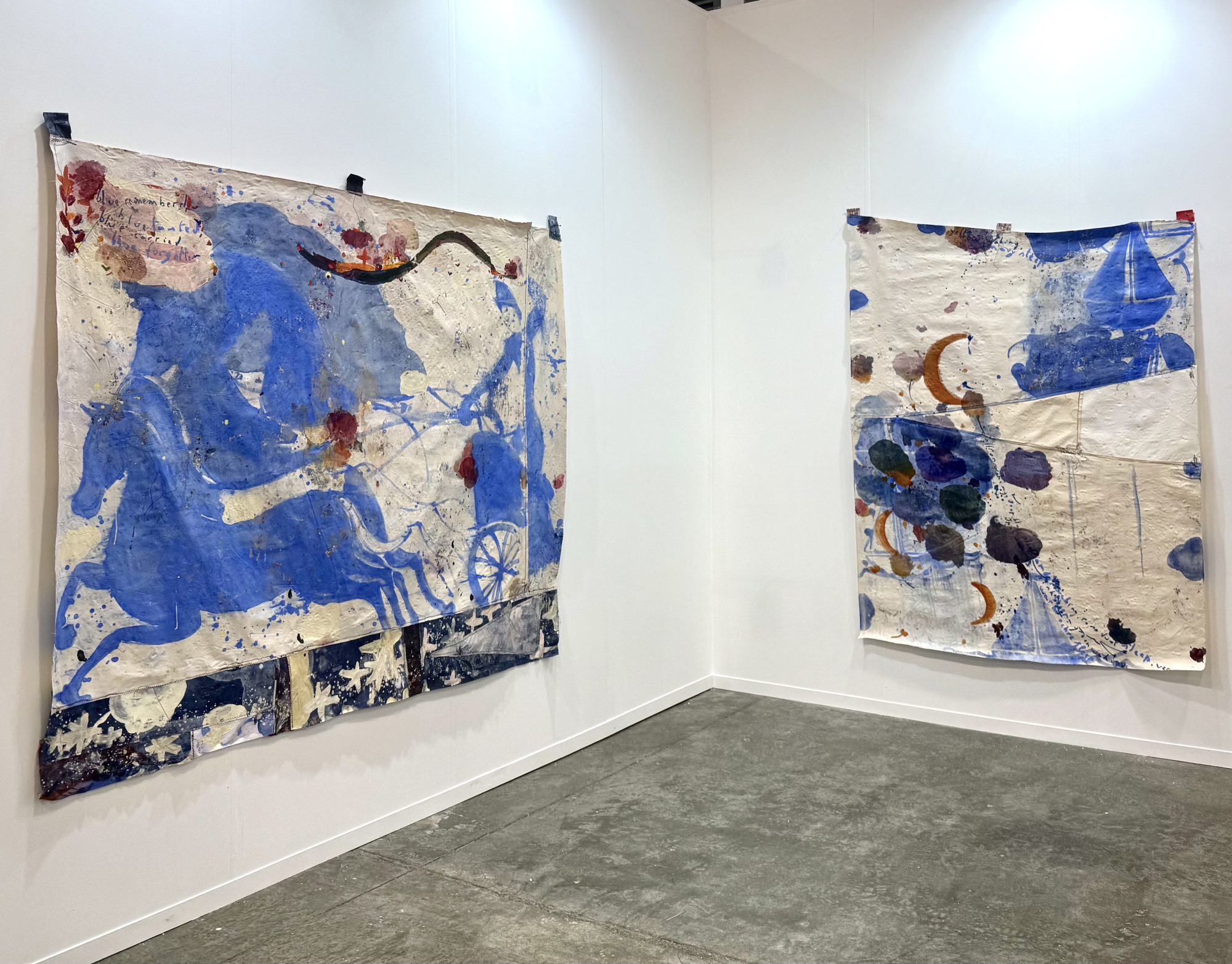
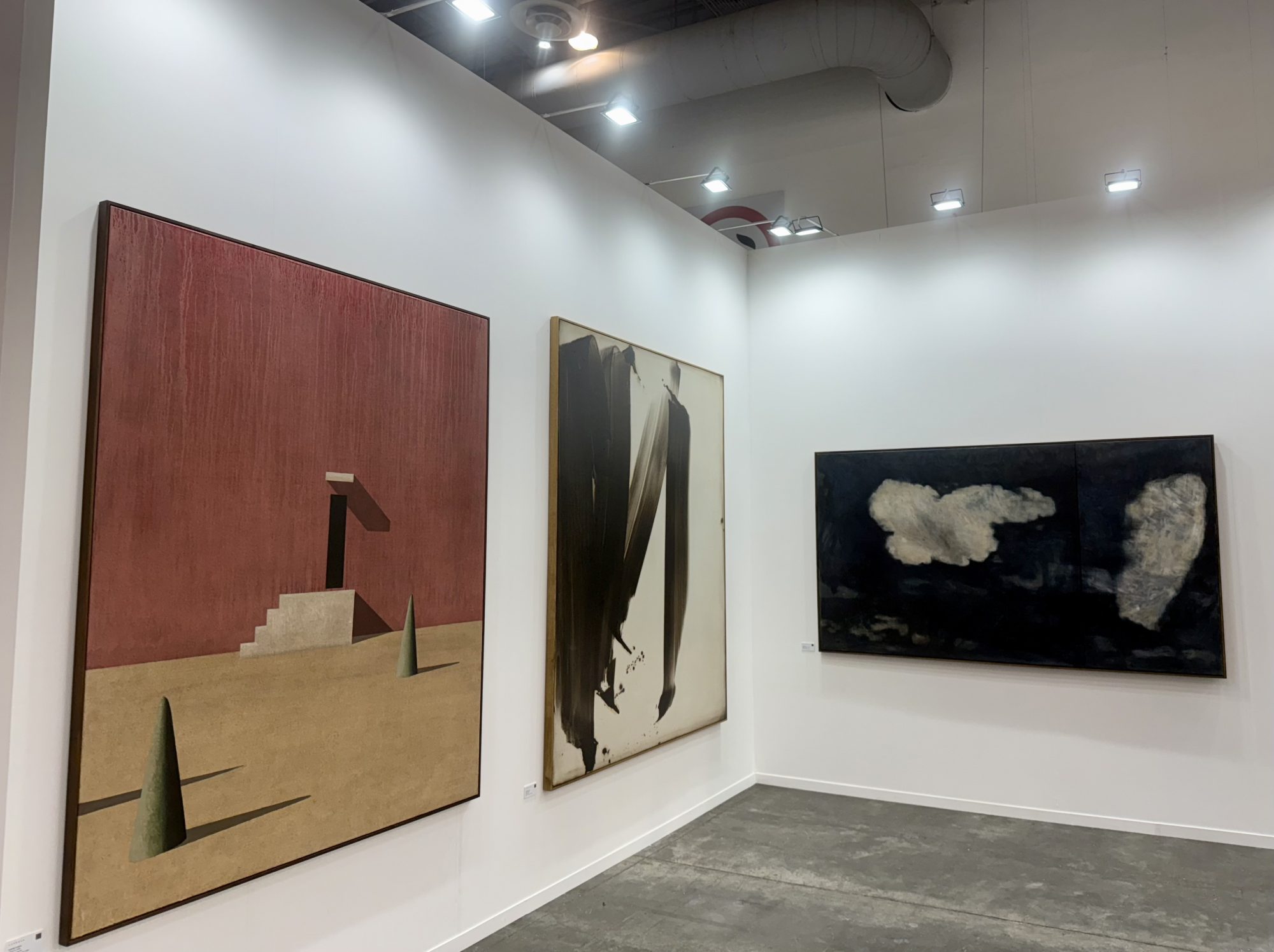
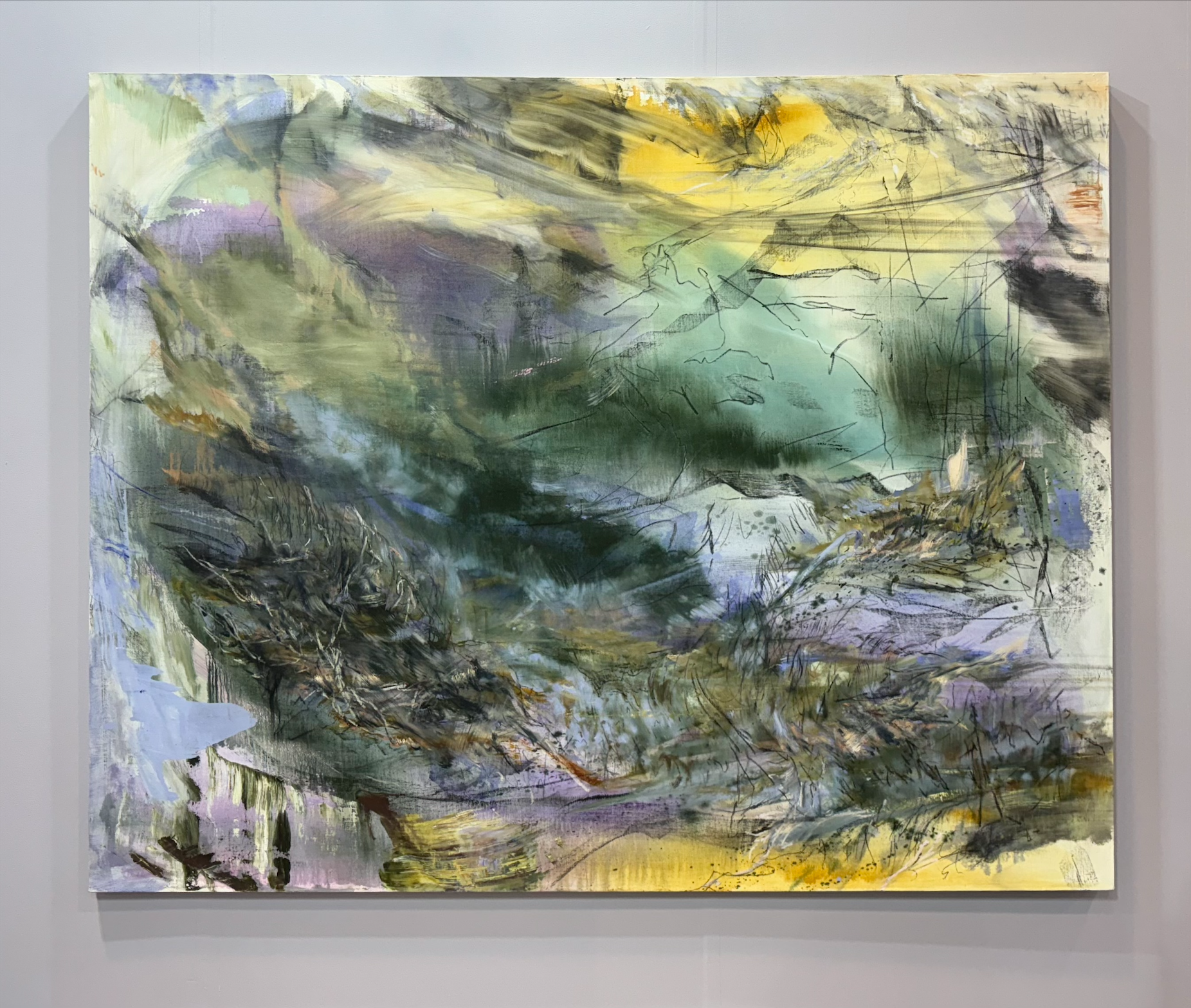
Thoughtful curation characterised the international presence at Zona Maco – Cadogan Gallery’s booth stood out as particularly well selected in this regard, with a stellar selection of works whose palates and forms were in notable harmony with those of their host country. Deborah Tarr’s subtly muted planes of colour, alongside Richard Hearns’ larger and more vibrant abstractions, could well be impressions of Mexico’s landscapes, while Ramón Enrich’s 4 Graons is reminiscent of the surrealist and geometric movements that Mexico is well known for. Meanwhile, Kylie Manning’s solo presentation with Pace displayed a monumental series of works inspired by the artist’s journeys between Alaska and Mexico using pigments like malachite, cinnabar, and volcanic ash sourced from Mexico’s own landscapes. Paris-based Galerie Nil delivered a beautiful selection of works by Simon Buret, Malik Thomas Jalil Kydd, and Gomaar Gilliams that deal with themes of immigration, split-identity, and the meeting of past and present – much like many of their Latin American counterparts.
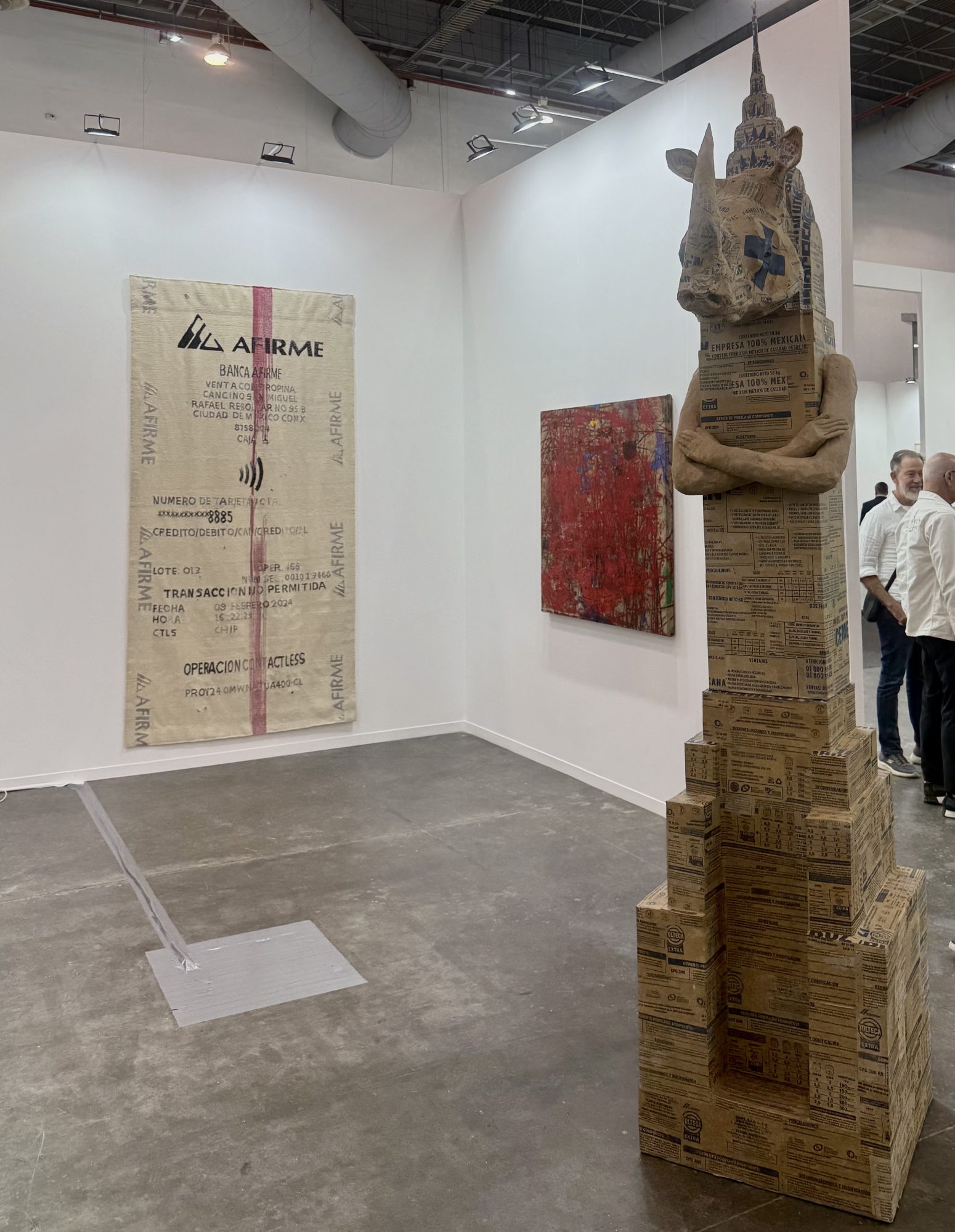
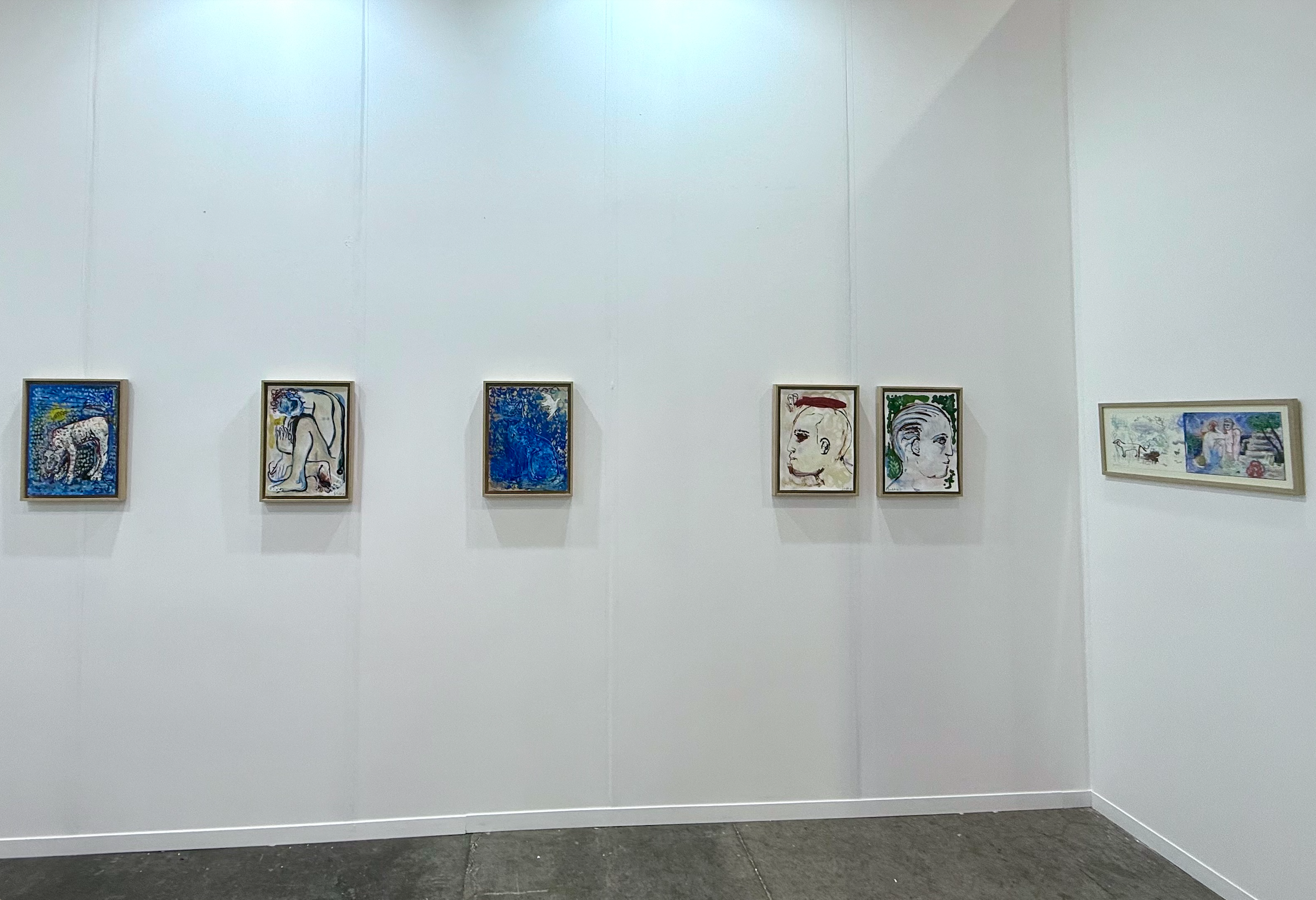
Zona Maco’s recent edition affirms that the city’s art scene has done a laudable job of juggling the interplay of past and present – whether the recent past of 100 years, or going back to Aztec times – with a constant influx of international creatives, and has done so with a spirit of welcome that mark it as one of the world’s great artistic capitals.
by Cristian Miller