


The 15th edition of Frieze New York opened last week at The Shed in New York City. In a fair synonymous with variety, this edition stood out with a particularly diverse and thoughtfully curated array of artists whose works championed the heritage and backgrounds of their creators. The variety of artistic voices was complemented by a thematic harmony amongst many of the works present at the fair – nature, whether as a subject, inspiration, or material source informed a large number of pieces, forming a garden-like backdrop for poignant assertions and discussions of identity.
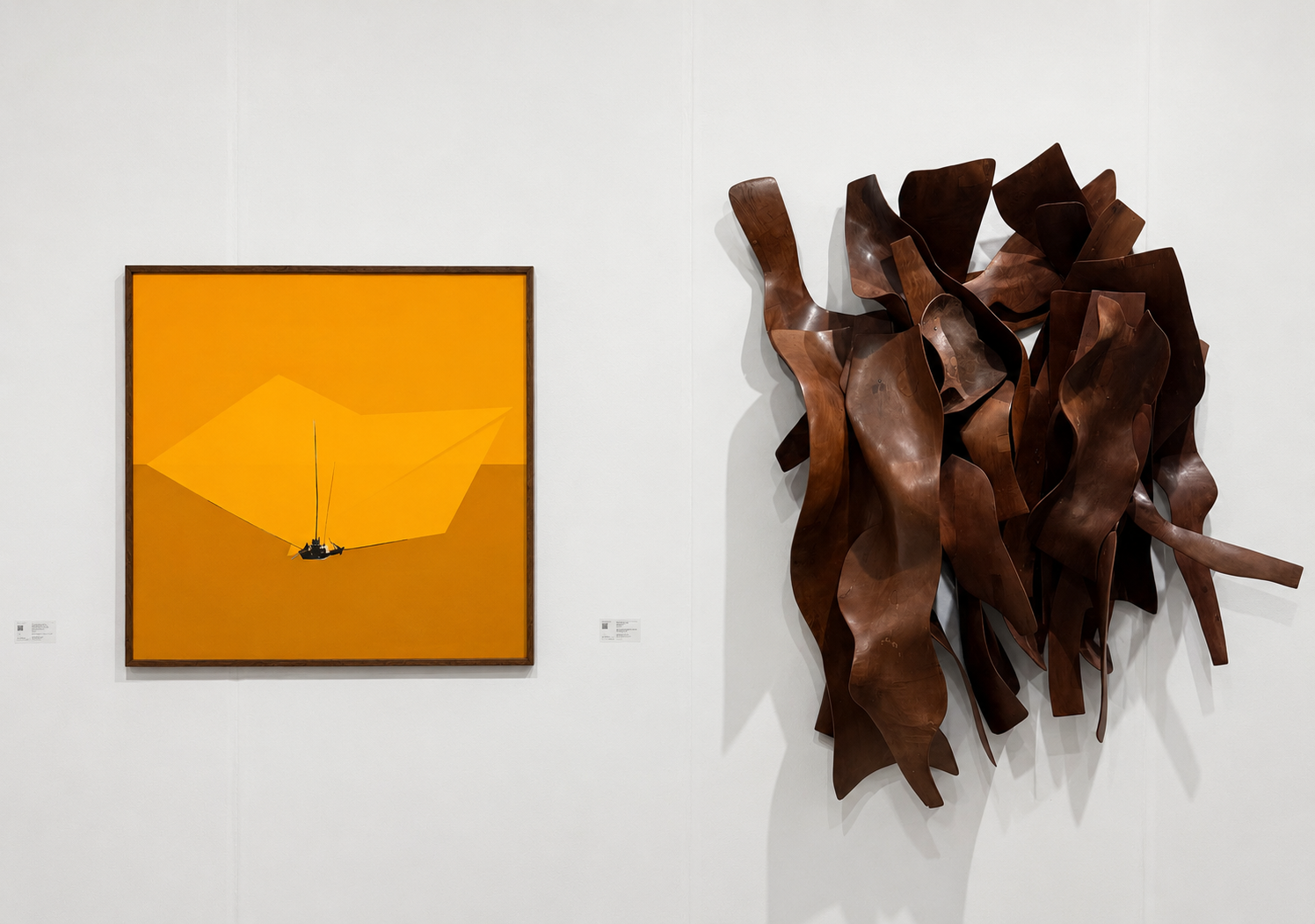
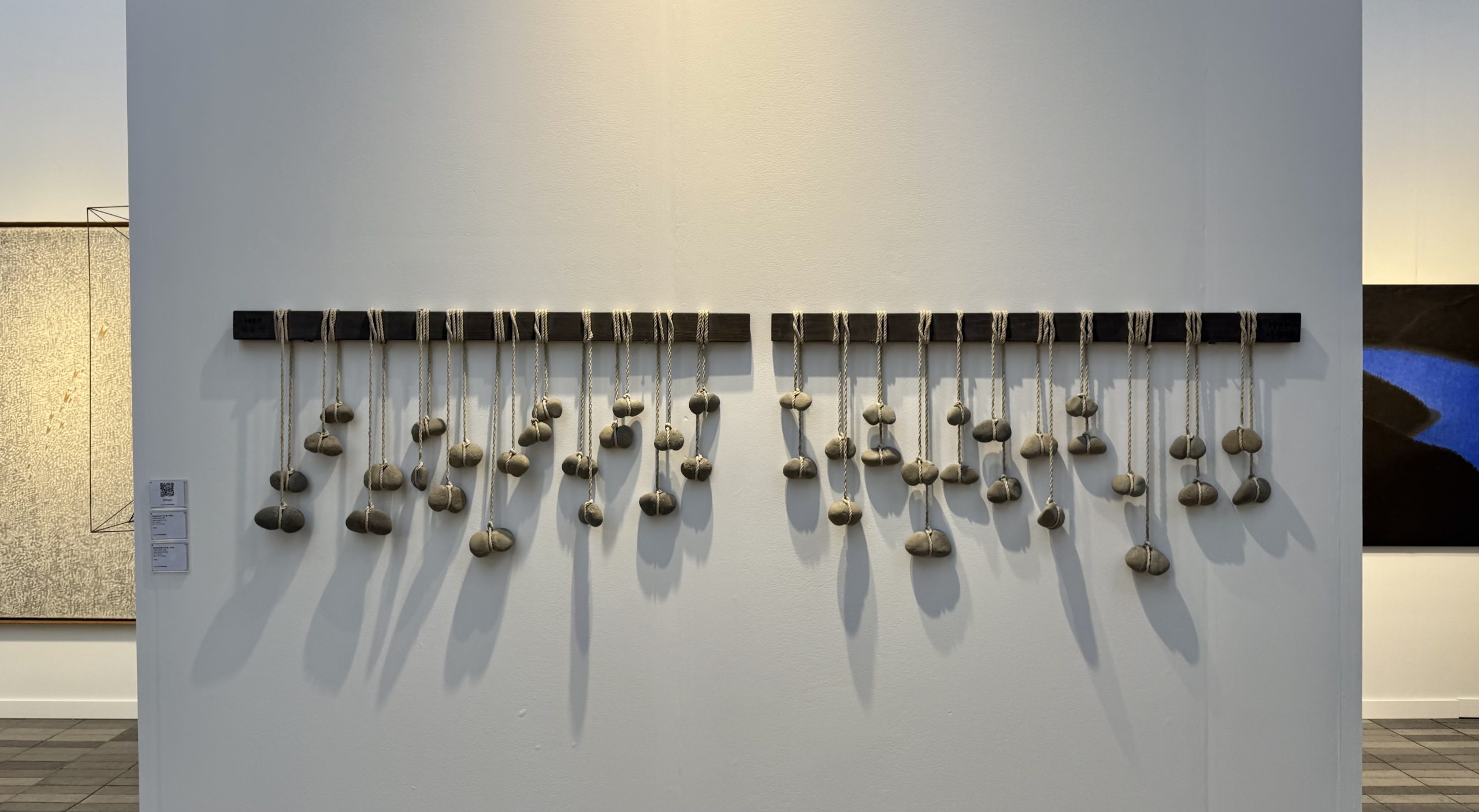
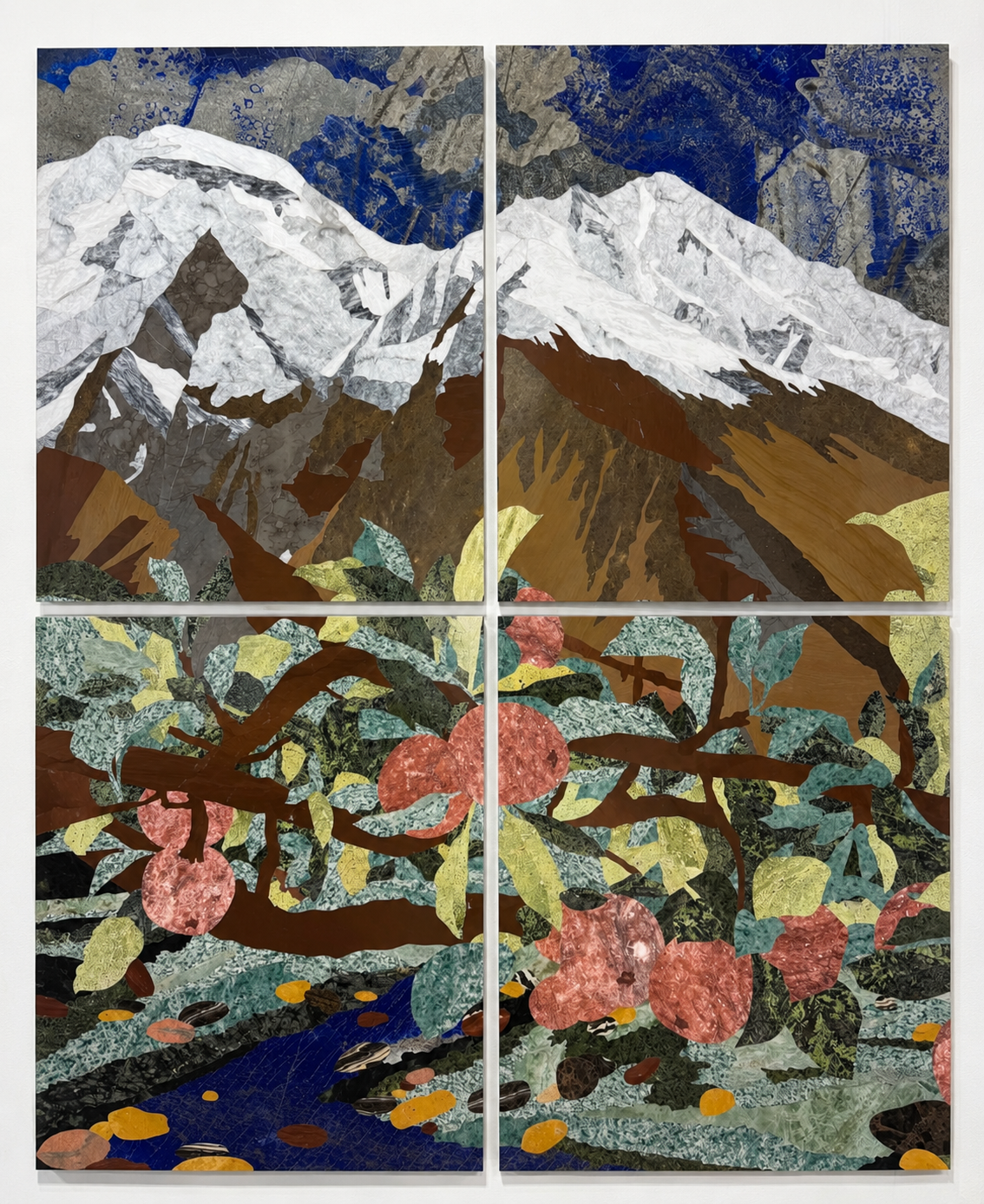
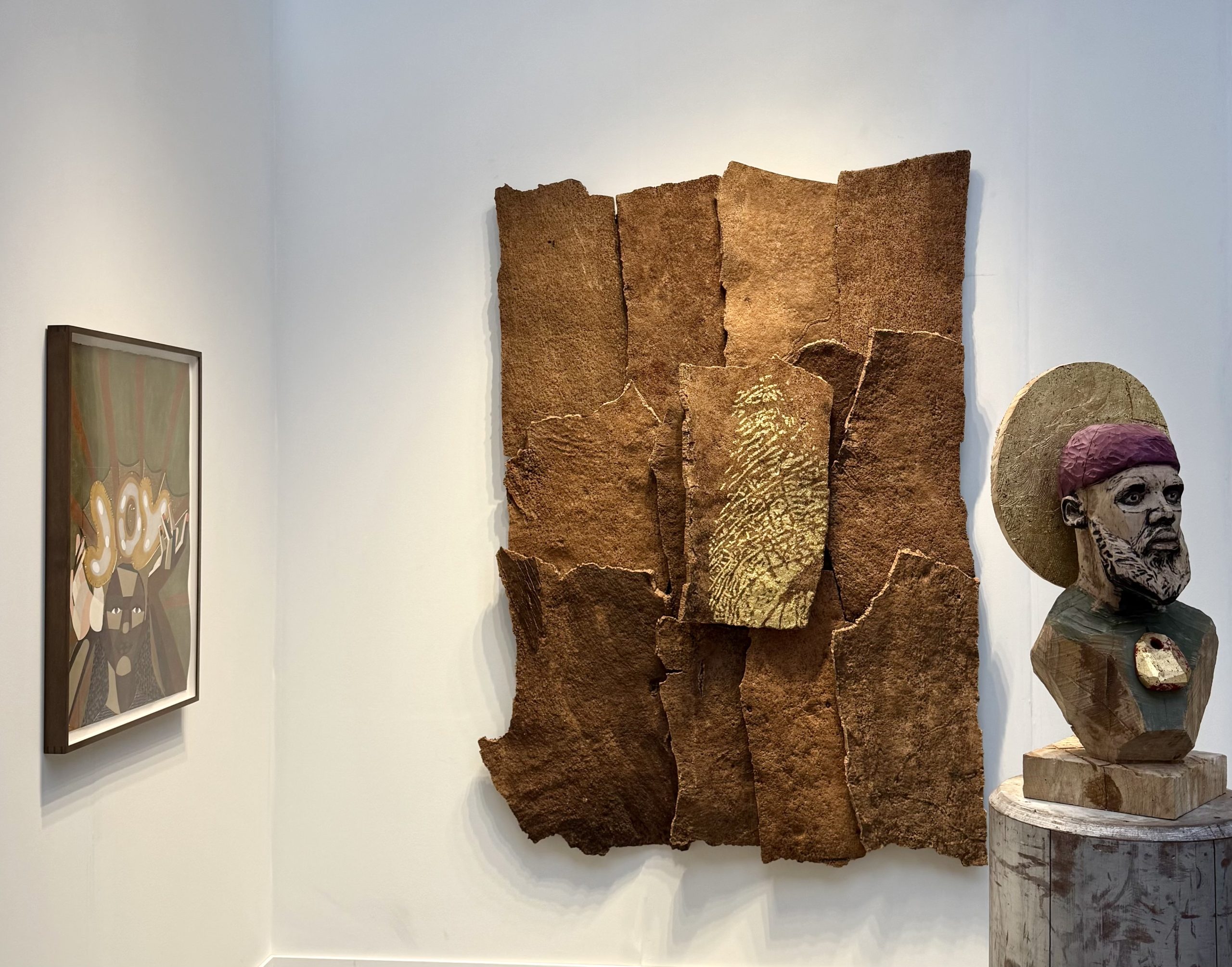
Many of the sculptural and mixed media pieces throughout were made from natural materials, with an emphasis on craft and materiality as opposed to kitsch, plasticism, and industrial provenance, which characterized many of the works at the fair’s recent LA edition. Gagosian presented a piece of overlapping sheets of cork by Giuseppe Penone, whose solo exhibition is currently on view at the gallery’s Chelsea location, while Nara Roesler featured a masterfully crafted sculpture by Marcelo Silveira made of collected fragments of cajacatinga wood, a critically endangered tree native to Brazil. Gallery Hyundai displayed a popular piece by museum favorite Seung-taek Lee, made of godret stones and rope in a reworking of traditional Korean craft items; at Lawrie Shabibi, marble and lapis-inlay depictions of natural imagery by Hamra Abbas reflected a similar synthesis of historic practice with natural materials and cultural motifs.
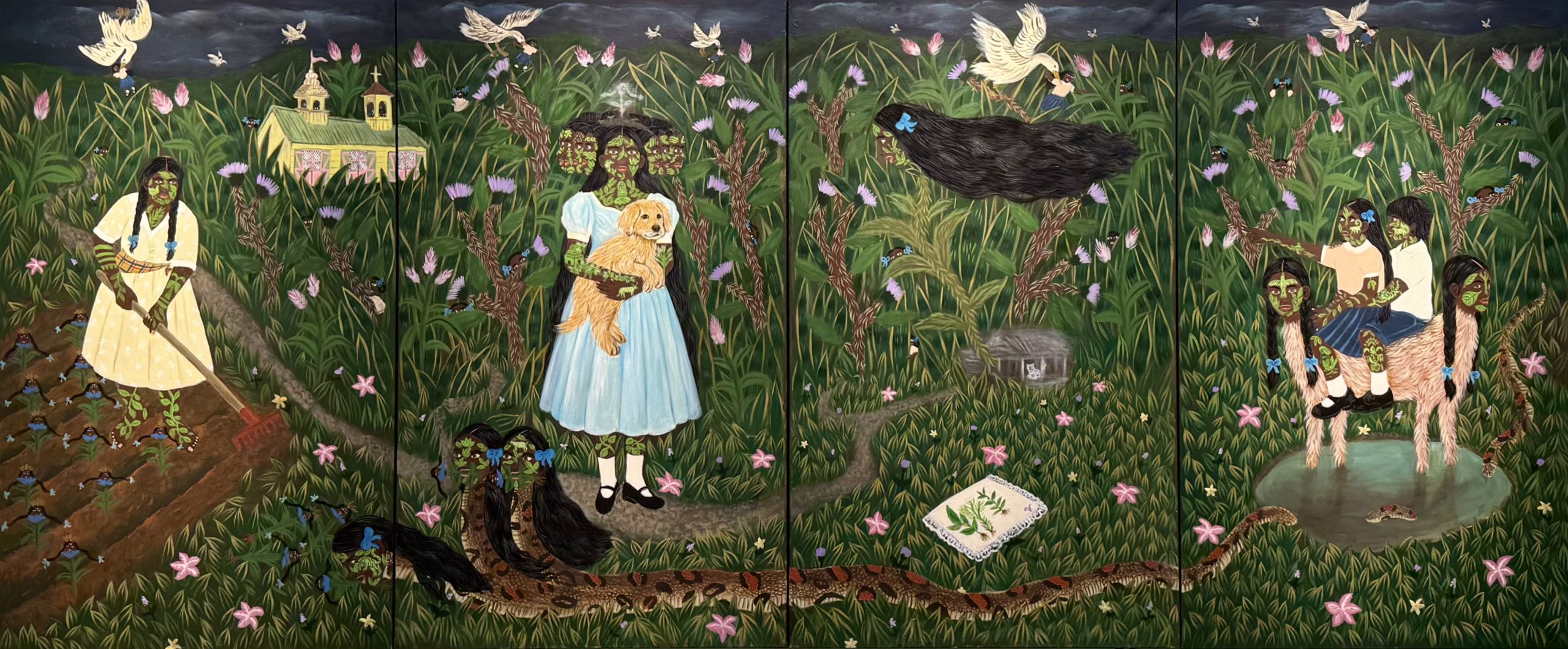
Guadeloupean artist Kelly Sinnapah Mary’s solo presentation at James Cohan’s booth embodied the interplay of identity and nature to the fullest extent. In The Sacred Garden, a monumental polyptych that was one of the more eye-catching pieces of the fair, the artist works various motifs from Caribbean and Indian folklore as well her own personal family history – one steeped in the legacy of colonialism – into a verdant, Eden-like background. Her figures – human, animal, or chimeric combinations of both – combine a gentle, almost childlike innocence with inhuman power and surrealism. They stare directly out at the viewer in a quietly potent confrontation that challenges any lingering assumptions of postcolonial passivity, while existing in a dreamscape still haunted by the confusion of diaspora and memory of loss.
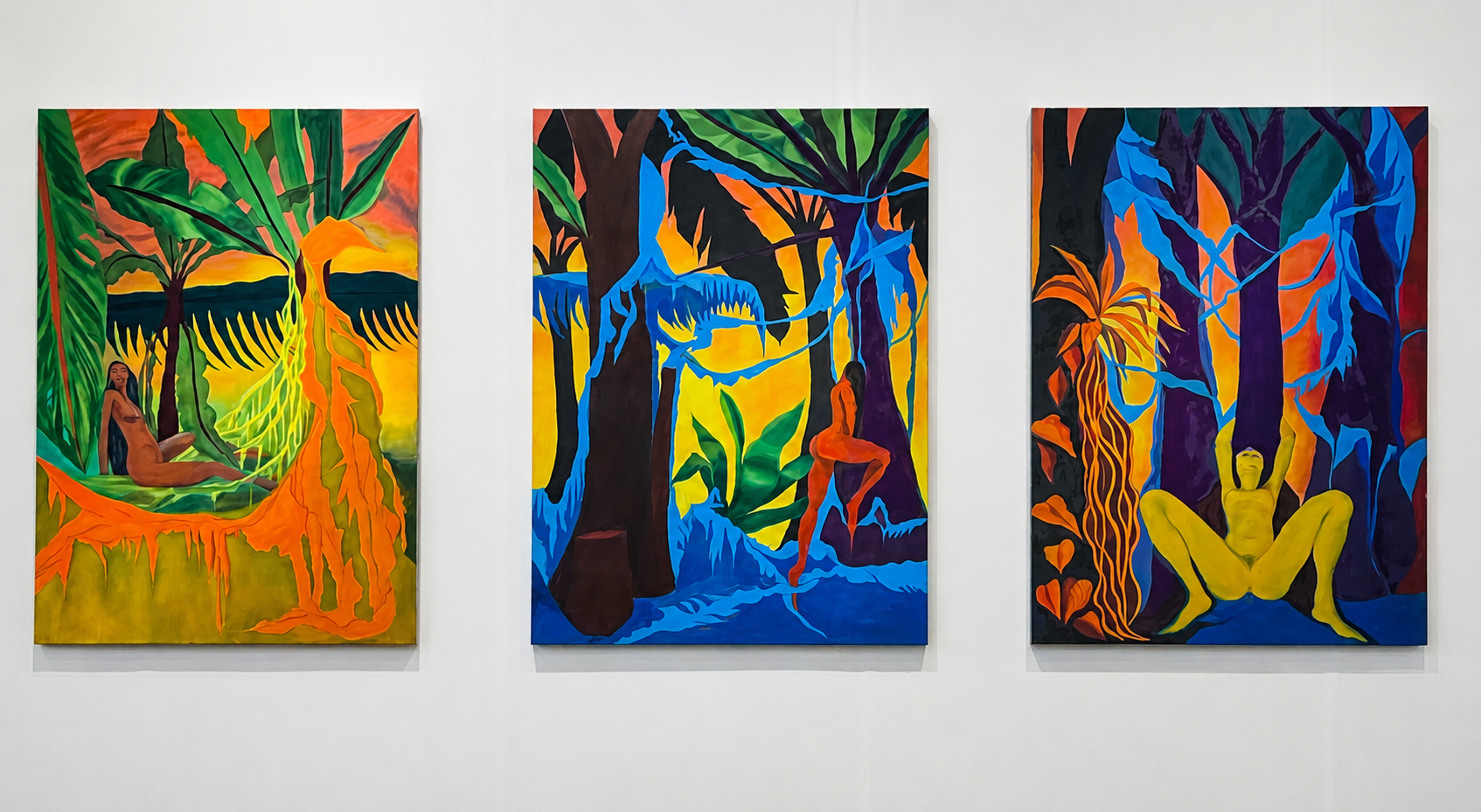
Mexican artist Pia Camil’s “Into the Wild” series at OMR’s booth dealt with similar themes, challenging and reworking ideas of the exotic into a reclamation of personal agency and identity. In a series of eight paintings, lithe figures arrange themselves in poses that are alternatively provocative and graceful against kaleidoscopic backdrops of color depicting abstract jungle landscapes. Some are languid, some are feral, and all are self-assured – the result is a body of work that is a wild assertion of feminine power and agency.
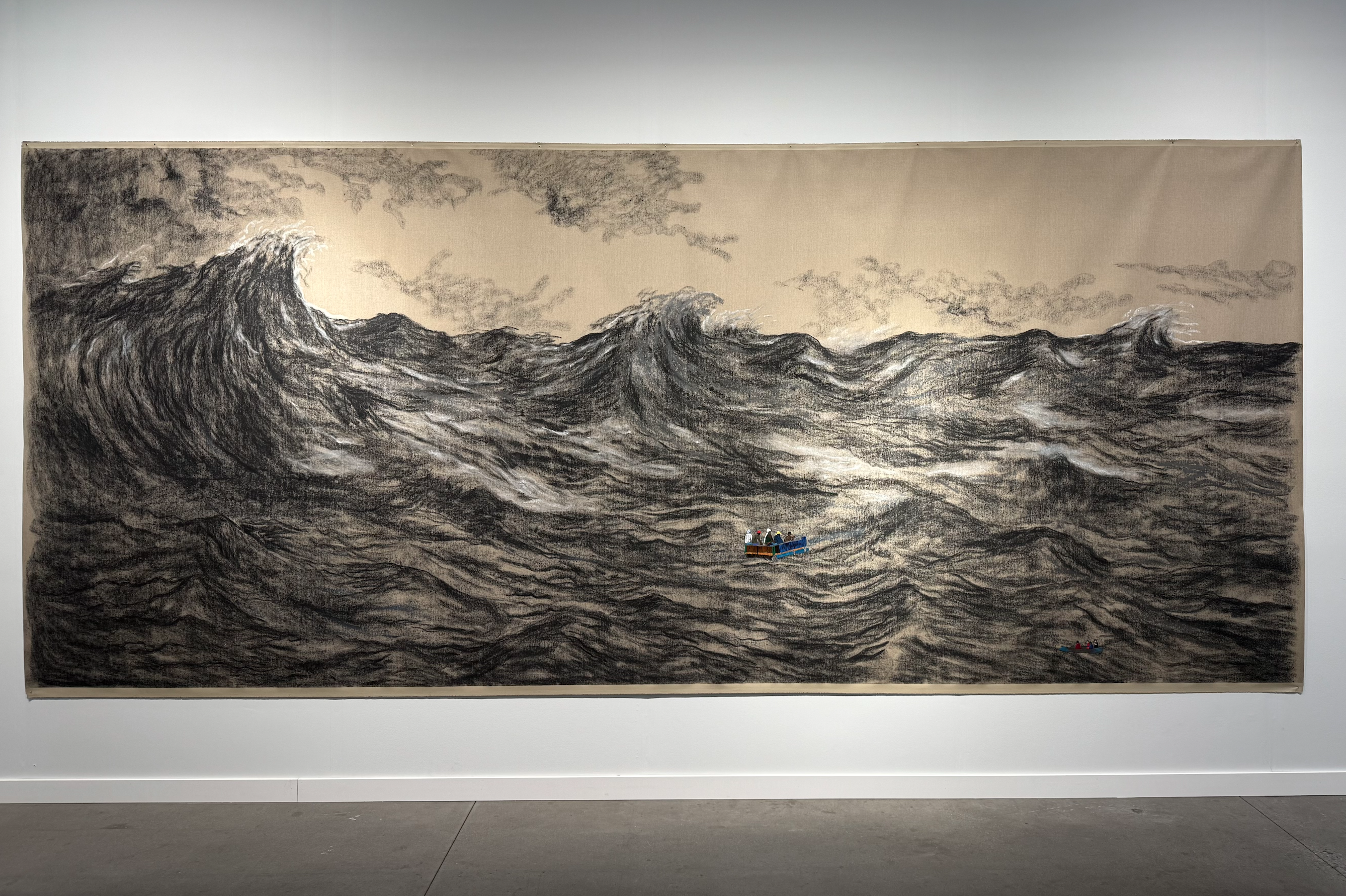
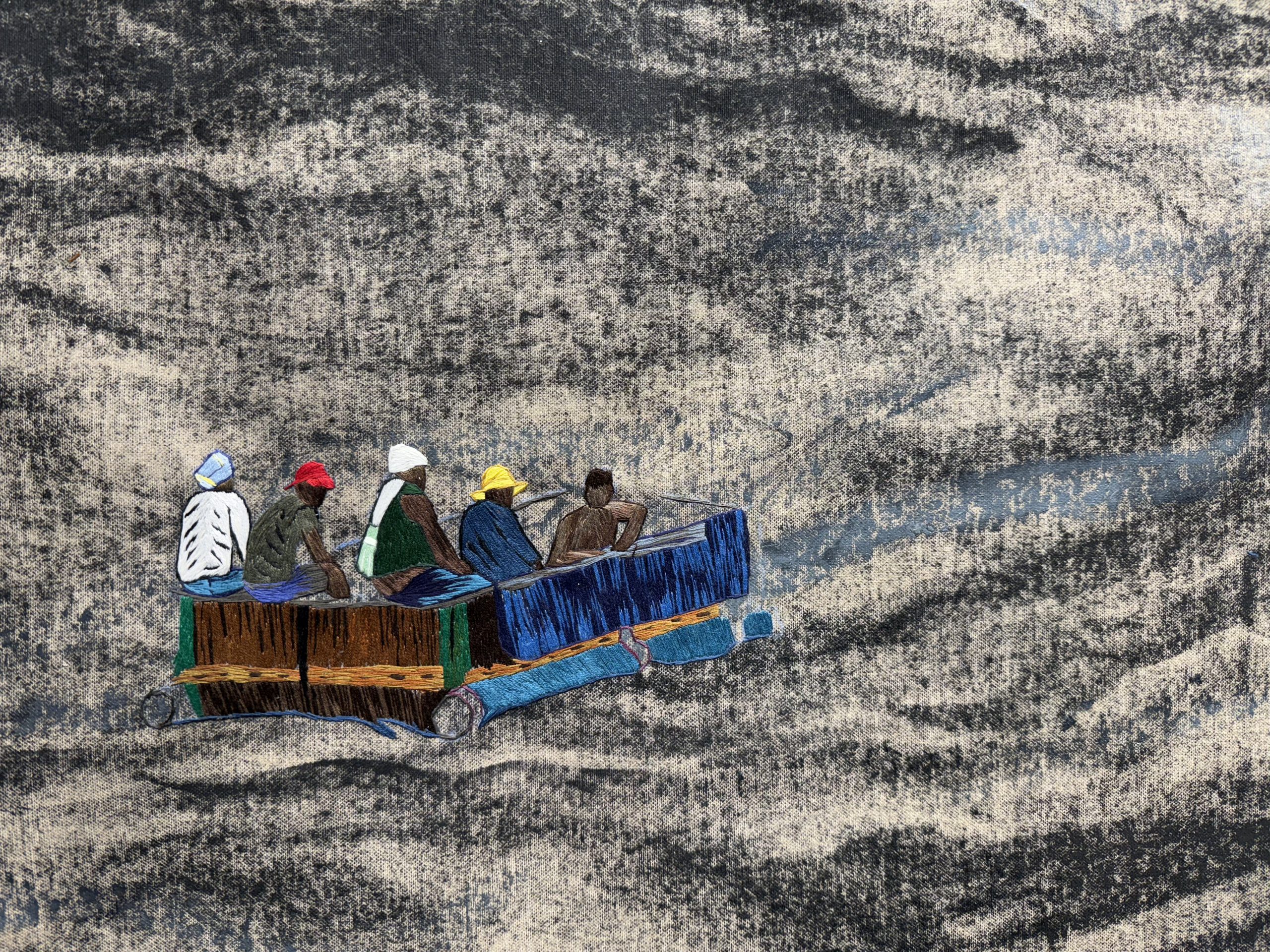
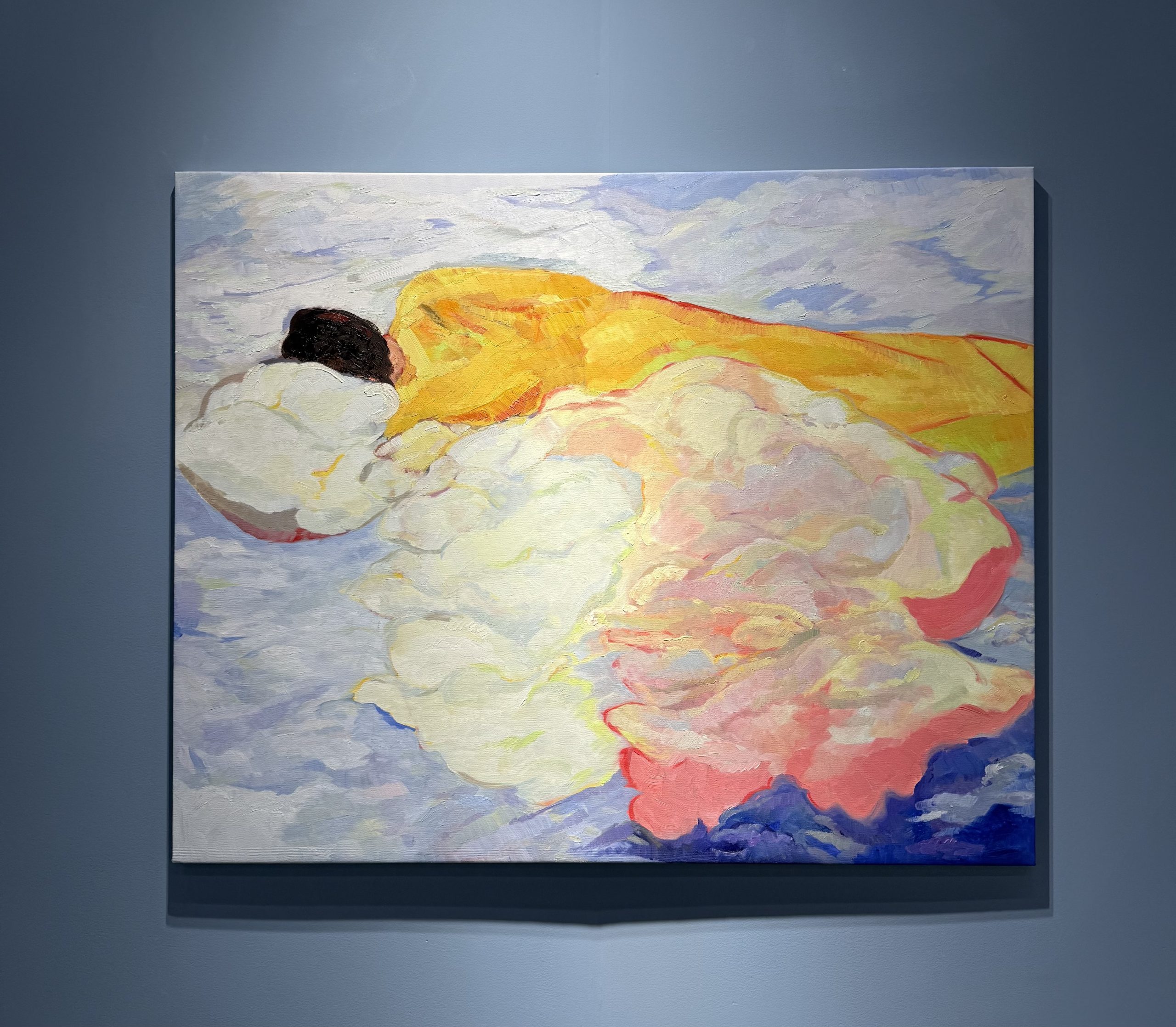
One of the standout booths of the fair was Paris-based gallery Mor Charpentier, whose dual presentation of work by Nohemí Pérez and Anas Albraehe drew long lines and lingering looks from attendees. Pérez’s Abismo I features a stormy seascape rendered in charcoal on a 16-foot canvas, with tiny, jewel-like embroideries of two small boats filled with people. The piece is a reflection on the dangerous ocean migrations many are forced to take as a result of humanitarian crises – one the artist, hailing from the Catatumbo region of Colombia, is well familiar with. Pérez’s piece was perfectly juxtaposed with the paintings of Syrian artist Albraehe, whose sweet, dreamlike oil paintings of figures resting atop clouds, rendered in simple but well-studied, vibrant swaths of color, seemed to provide a resting place for the storm-tossed figures in Abismo I. It was an excellent curatorial choice with more narrative than most fair booths generally provide.
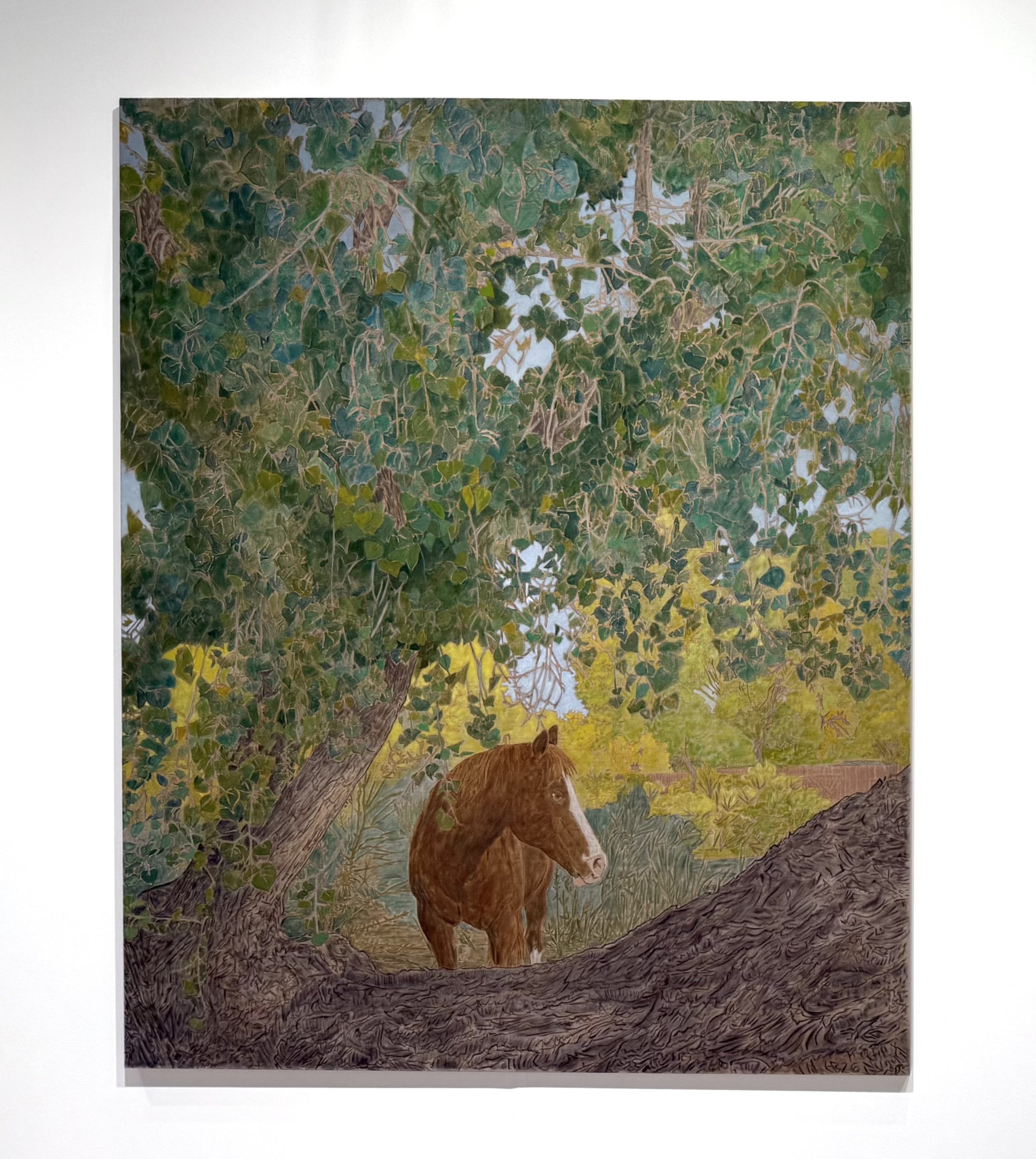
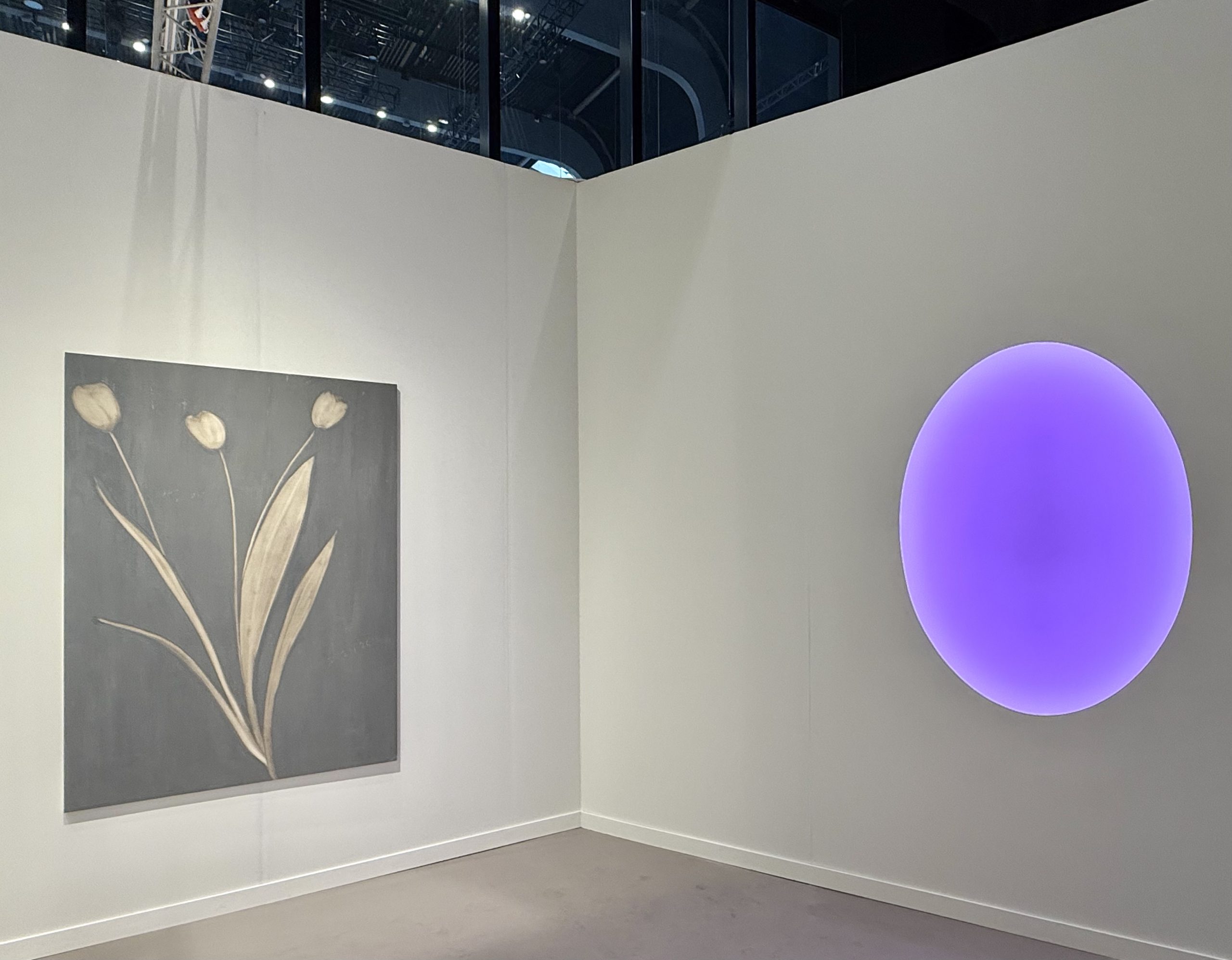
Elsewhere, an austere depiction of tulips by Joe Andoe was well-placed next to a James Turrell at Almine Rech’s booth and was a popular gathering point for attendees, while Hayley Barker’s solo presentation at Night Gallery of paintings inspired by the American Southwest sold almost entirely. An ethereal abstracted landscape by Celia Paul, in a marked departure from her preferred subject of portraiture, led Victoria Miro’s booth, at which a brilliantly curated array of portraits by a variety of artists was another standout of the fair. Paul’s haunting, gestural abstractions of ghostly silhouettes and bleeding colors were similarly echoed in paintings by Firenze Lai and Martha Jungwirth, represented by White Cube and Thaddaeus Ropac respectively, both of which led this year’s sales performances with several seven-figure placements (reported by ArtLyst).
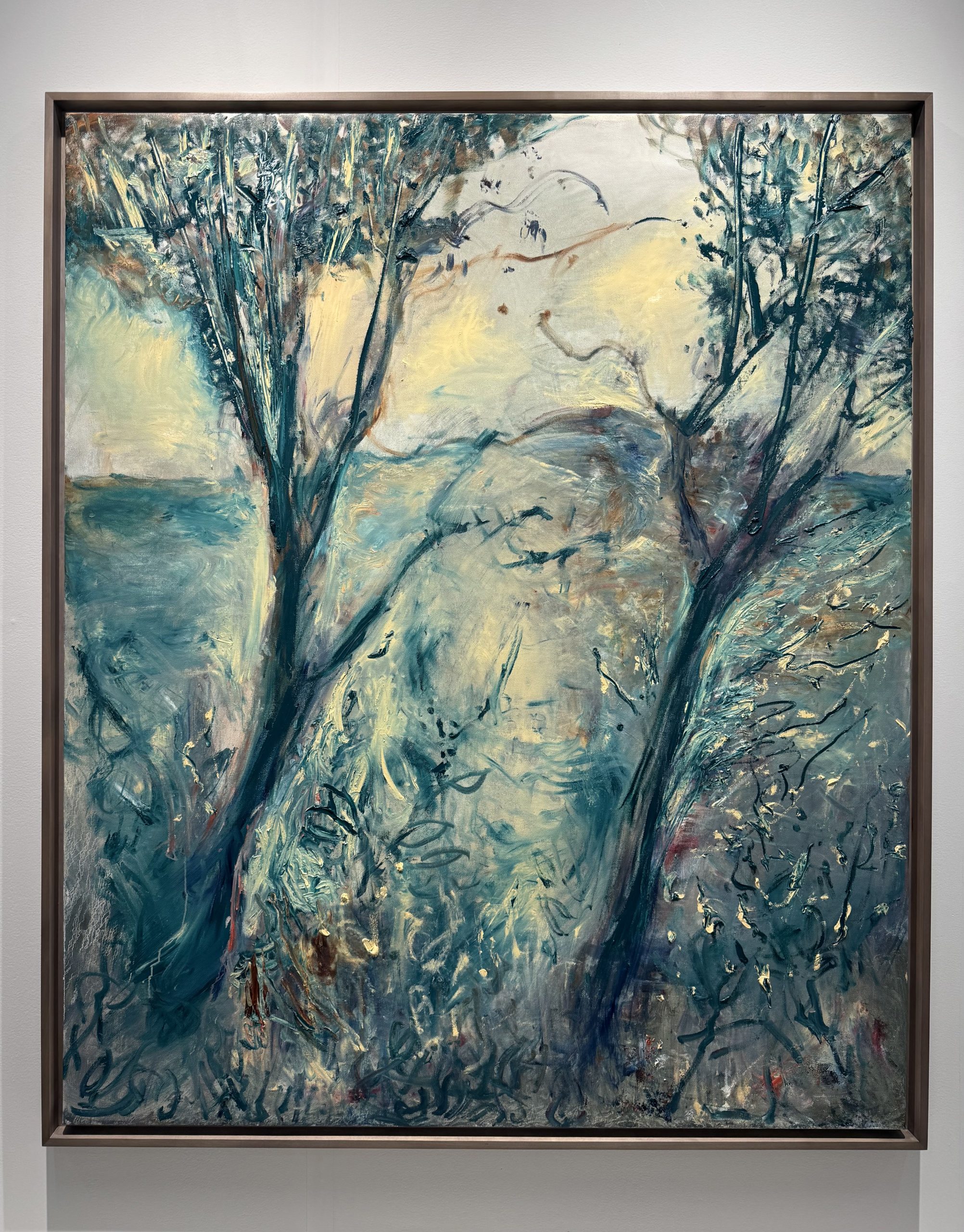
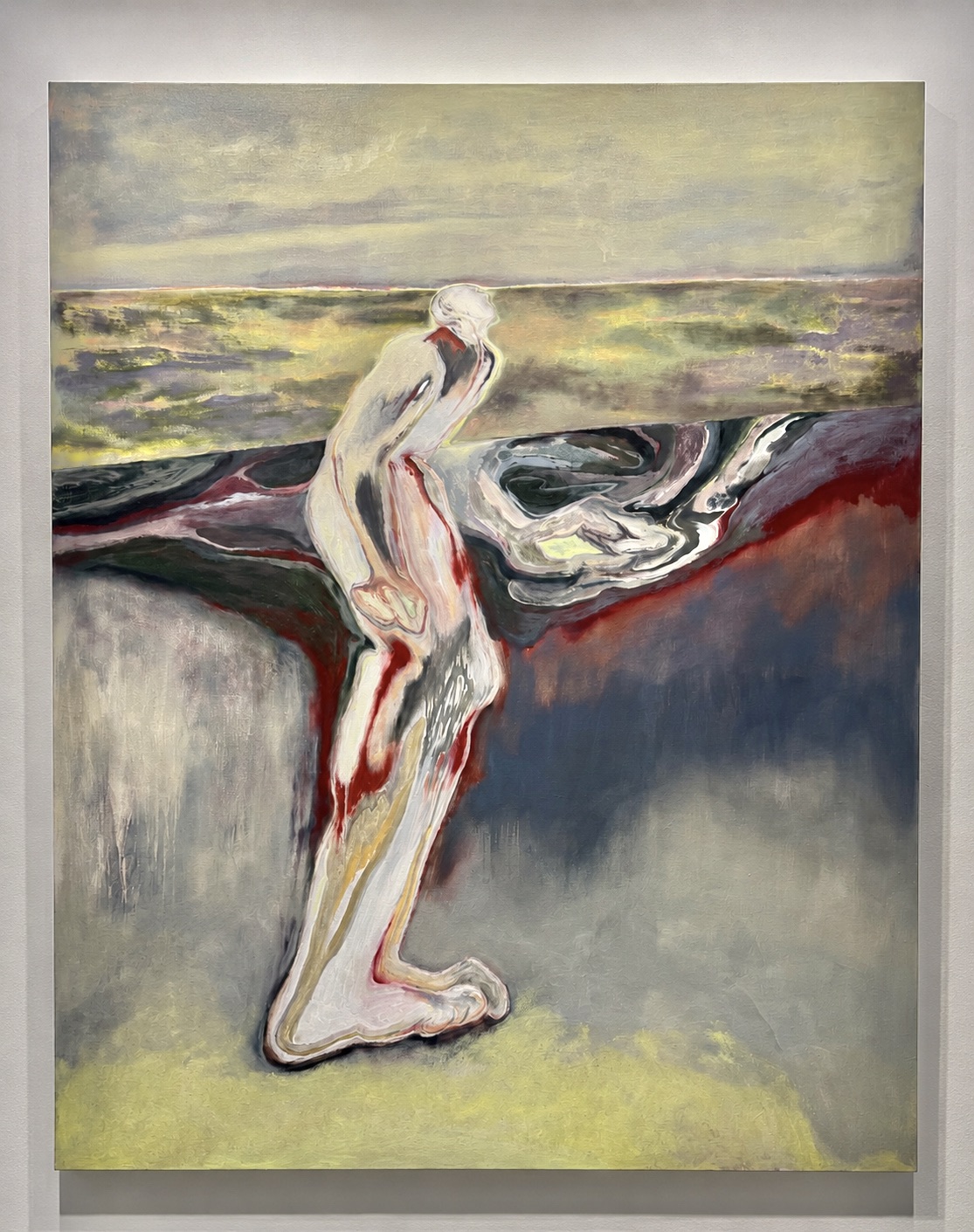
The artists at this edition of Frieze brought the full force of their own voices into their works. In their widespread celebration of heritage and identity, taking place amidst various depictions of the natural world – whether playful or serious, dreamlike or realistic, in painting or in sculpture – many artists did not shy away from the complicated and often painful associations that come along with their own personal or broader socio-geographic histories. That these explorations and assertions of identity took place against a backdrop of strong sales and various museum acquisitions is indicative of the fact that, despite the noise around art-market speculation and a potential reflex to move towards safer, less provocative works, providing a platform for these artists is a key element of continued success.
by Cristian Miller
Images by C. Miller