
Rooted in Daoist philosophy and traditional Chinese practices, Shao Fan’s work resists the ephemeral through its connection to ancient forms of thought and image-making.
Born in Beijing in 1964, the artist is best known for his large-scale rabbit portraits, which draw heavily from traditional practices while remaining firmly contemporary in scale and presentation. His work has been exhibited internationally, including at the Metropolitan Museum of Art, New York, and M+, Hong Kong.
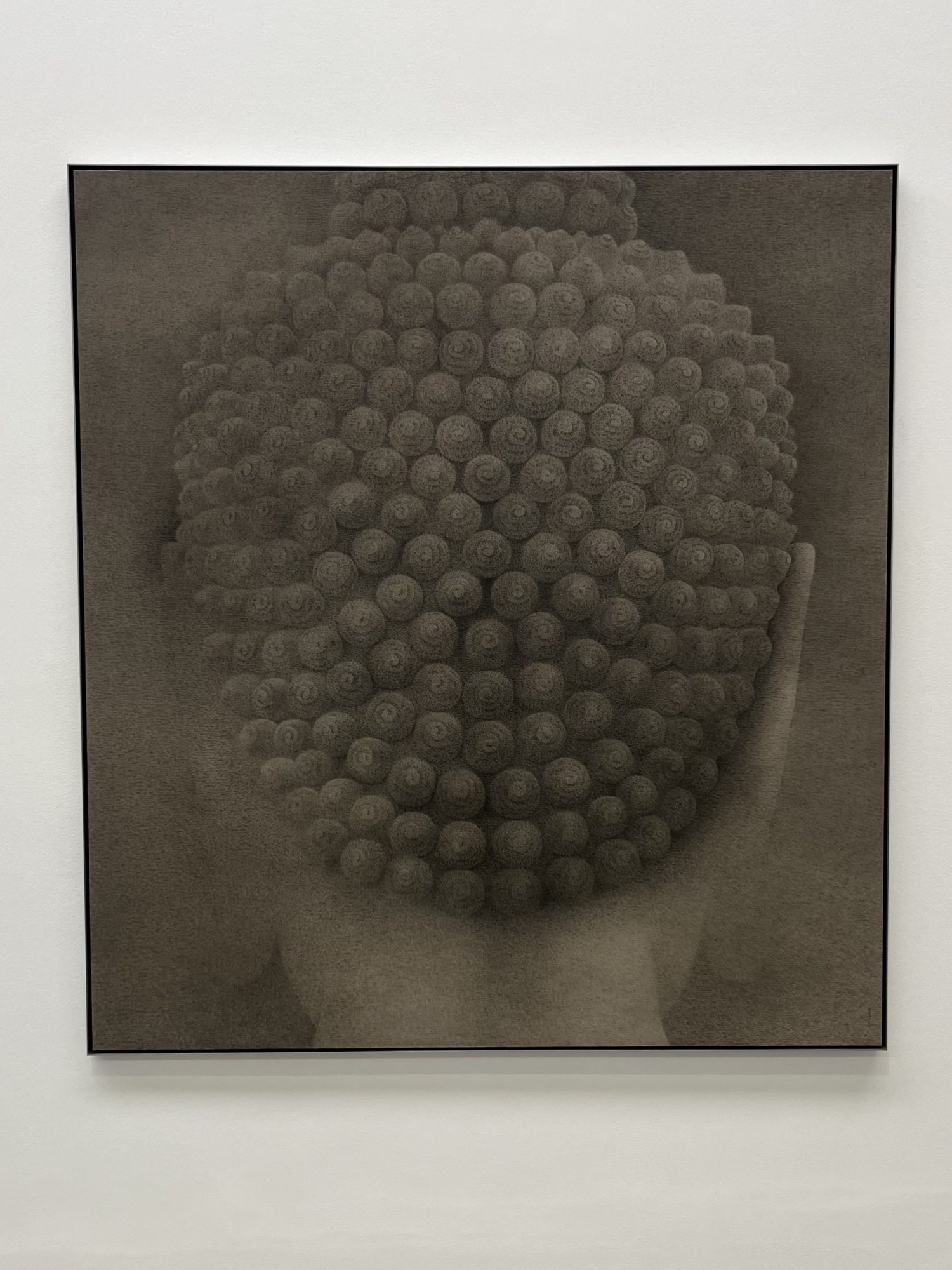
His paintings reference shan shui, traditional Chinese landscape painting, both in style and in his choice of materials, like xuan paper and fine ink brushes. In this way, his paintings are perhaps more written than drawn. It is no accident that his strokes gather into shadow, orienting the viewer through the subject’s form in a way that resembles a topographic map.
Animals function as archetypes throughout Fan’s work, following the Daoist pursuit of oneness with all beings. Most notably, the rabbit, or hare, which first appeared around 2009. Fan notes the animal as one of the most human of all beasts. Though repeatedly described as rabbits, the animals often possess attributes closer to hares; fittingly, within Chinese traditions there was historically little distinction between the two. Coupled with their almost human stature, with many paintings exceeding human scale, Shao’s creatures become deeply personified. Standing beside them, viewers may begin to understand exactly what the artist sees.
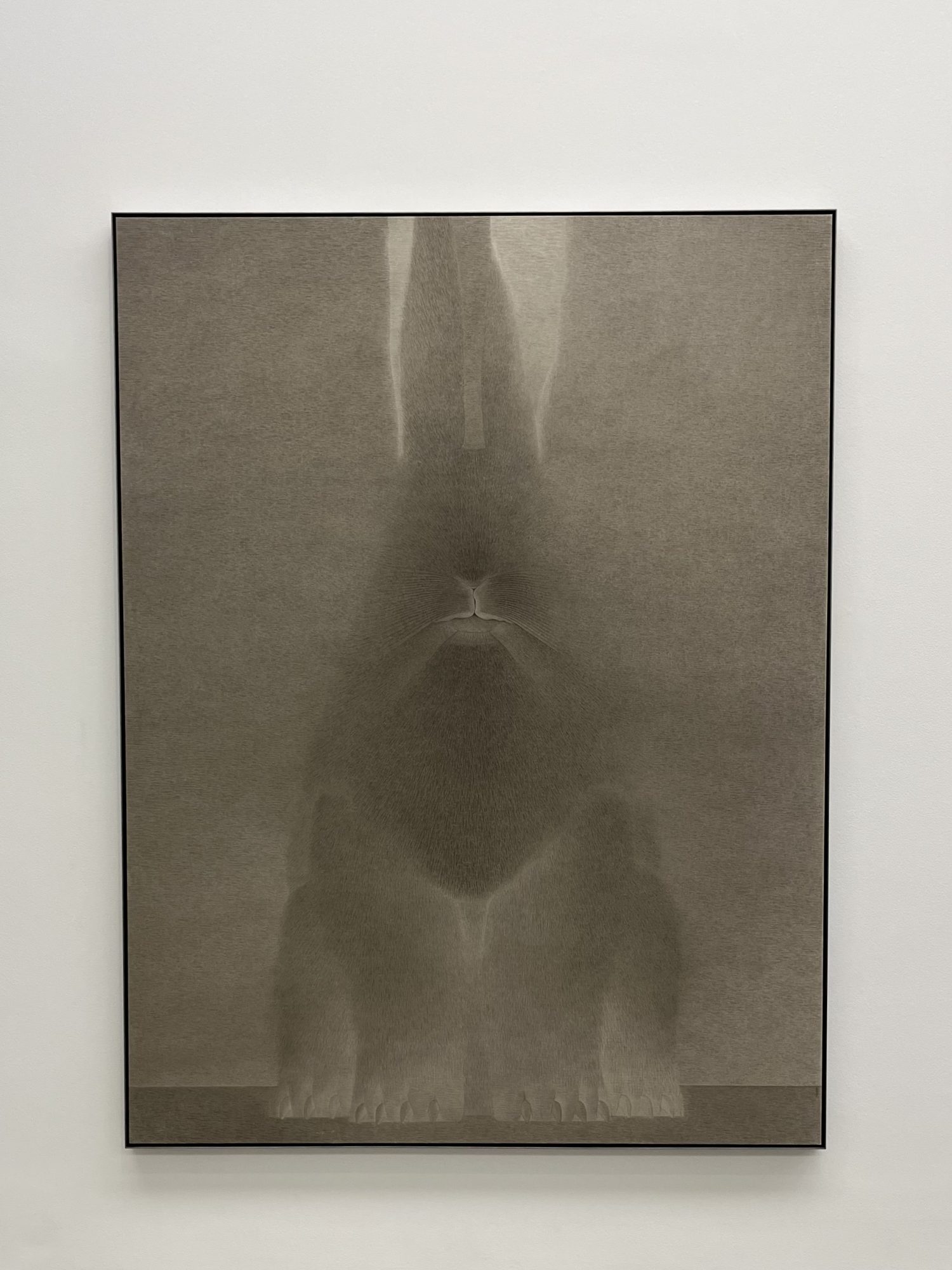
In Daoism, both rabbits and hares are associated with immortality and longevity. For Fan, time is central, and its passing invariably so; perhaps it is for this reason that he finds fellowship in animals that appear aware of it.
Daoism discourages preference; Fan reflects this by treating even household objects, like the Chinese cabbage, with the same gravity as his other sacred beings. These works remain closer to their natural scale; perhaps because the smaller surface leaves less room for distraction, forcing viewers into an even more intense confrontation with the enormity of the artist’s craft.
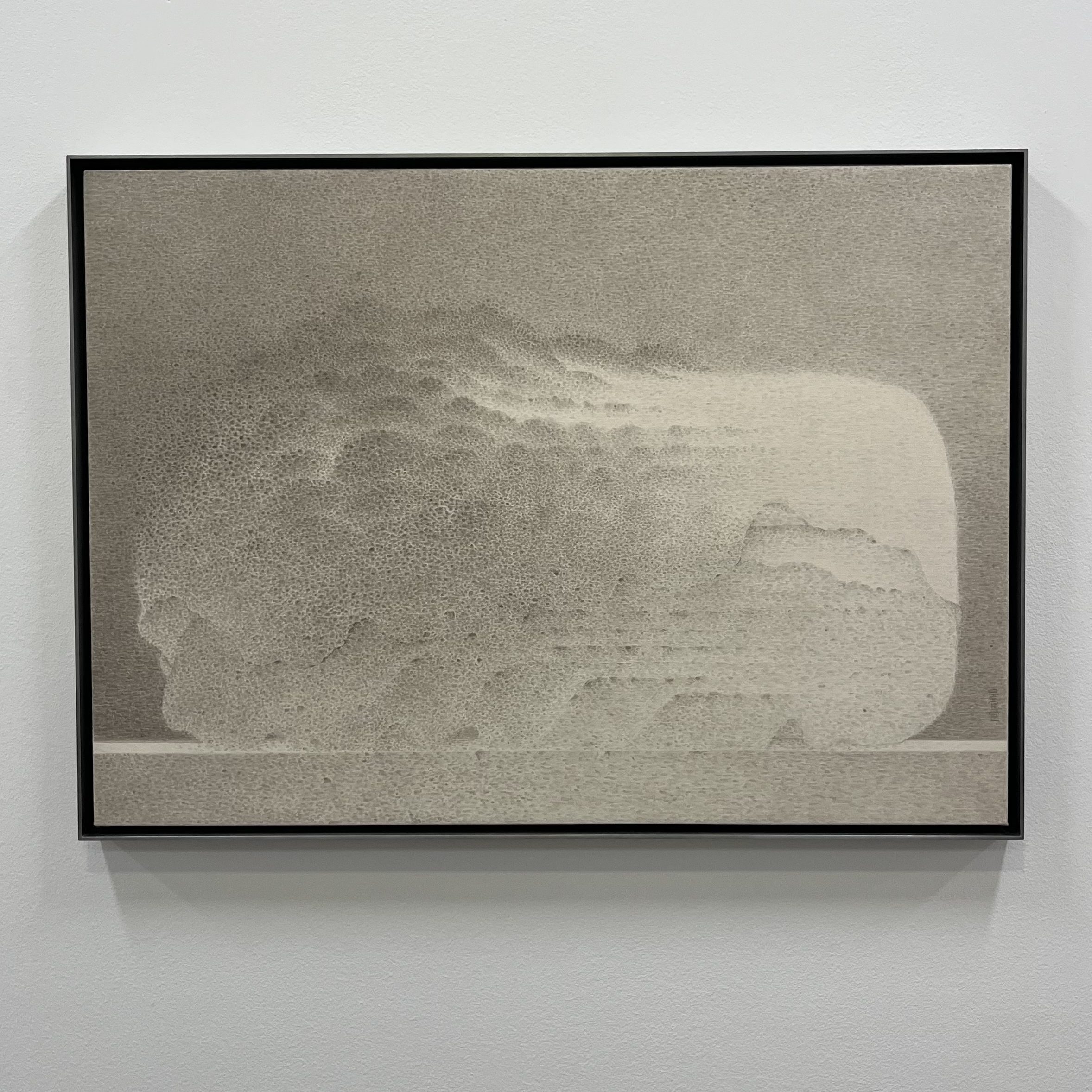
Across the exhibition, forms emerge gradually through immense accumulations of finely placed ink, revealing figures that feel ancient, pensive and suspended. The mist-like apparitions feel as distant as they are familiar, resisting the immediacy and spectacle often associated with contemporary art. Clarity builds through a discipline that only comes from years of practice and a mode of viewing that demands equal patience in return.
For more information please visit the exhibition page on the WHITE CUBE website.
All images courtesy of Art observed.
~ J. Gataaura
Pages: 1 2