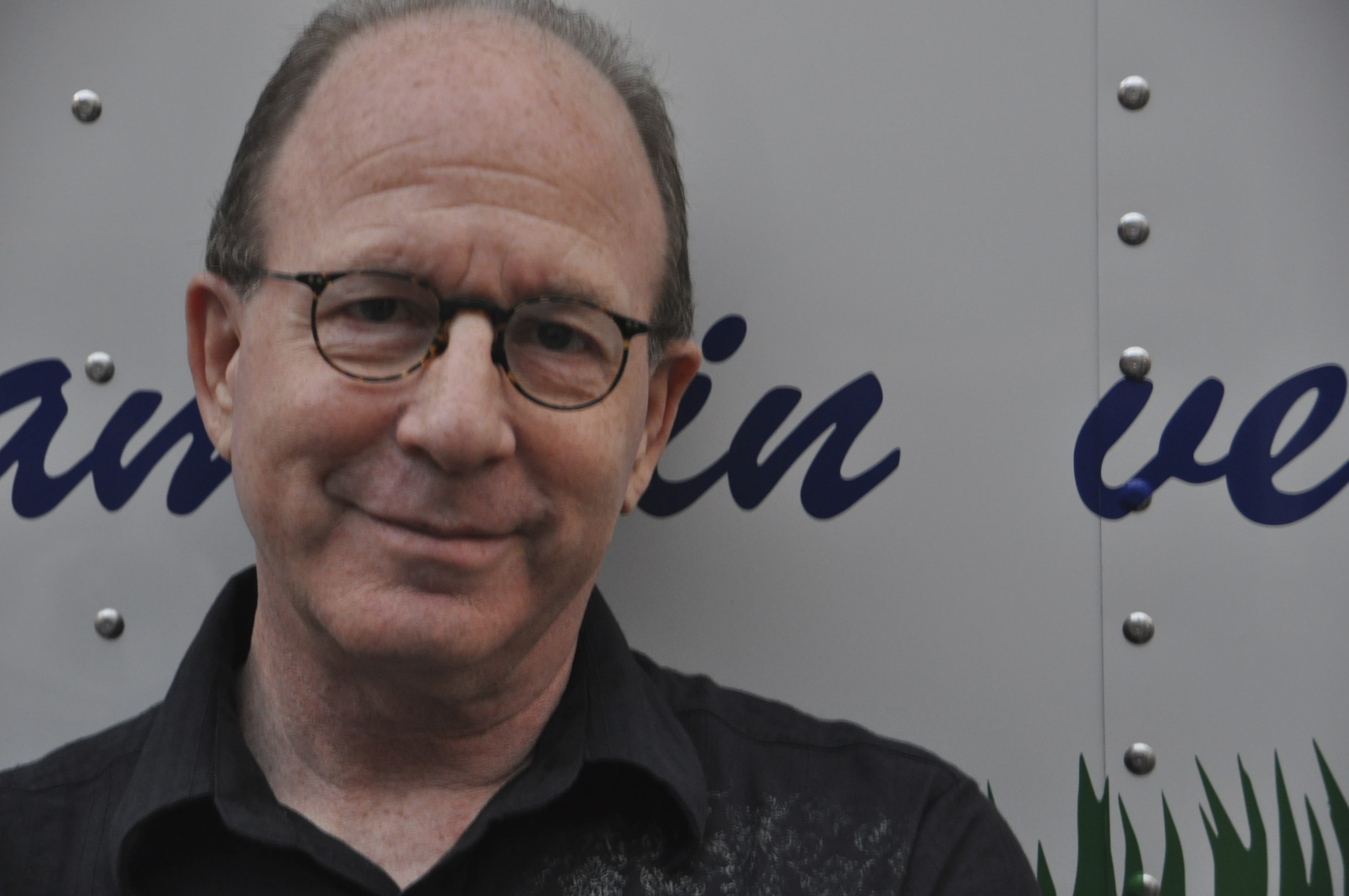
As exhibitions of Balthus prepare to open in New York, critic Jerry Saltz writes on the history of one of the artist’s more sordid works, The Guitar Lesson. Only exhibited once in 1977, the work has moved through the back channels of the art world in the past 40 years, finally coming to rest in the collection of shipping magnate Stavros Niarchos. “I don’t love Balthus’s work, but I grant that all parts of the best examples are charged with something wild, almost half-human, some sleeping need, rage, frustration, and restraint. What makes the banishment of The Guitar Lesson so bitter isn’t only that MoMA came this close to owning a second take on the blatant sexuality of Picasso’sLes Demoiselles d’Avignon.” Saltz writes. (more…)
Posted in Art News | Comments Off on Jerry Saltz Writes on Balthus’s “The Guitar Lesson”
Arts critic Jerry Saltz comments on the diminishing role of the gallery show in the contemporary arts environment, noting the effects of increased focus on international fairs, auctions and biennials, and questioning the effects of this shift on the arts community of New York City. “Fewer ideas are being exchanged, fewer aesthetic arguments initiated. I can’t turn to the woman next to me and ask what she thinks, because there’s nobody there.” He says. (more…)
Posted in Art News | Comments Off on Jerry Saltz on “The Death of the Gallery Show”
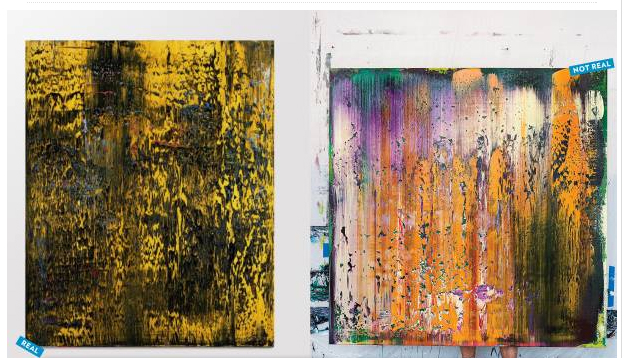
Critic Jerry Saltz says: “I love art, but I hate the astronomical prices it sells for.” So, last year he posted a request on Facebook for artists to make him a fauxRichter painting, and describes his reaction to the final product: “All of the paintings seemed Richterian, but many had an Impressionistic, un-Richterian prettiness. Many looked too thought-out. Accidents looked intentional rather than discovered … then I understood that only when Stanley stopped thinking he was making a Richter could he make one.” He has ordered more faux pieces by various artists. (more…)
Posted in Art News | Comments Off on Art Critic Jerry Saltz finally gets his “faux” Richter
Jerry Saltz of the NY Magazine critiques the art of Documenta 13, exploring the rise of Post Art but only in select installations: “even with its tremendous flaws, Documenta allows us all to feel a stake in this thing called art, and sense that Post Art is on the immediate horizon, approaching fast.”
‪‬NY Magazine debates the new home of late pharmaceutical magnate Albert Barnes’ ‘smorgasbord’ collection in downtown Philadelphia, arranged under Barnes’ strict trust stipulations
‪‬NY Mag publishes Jerry Saltz and others’ 18 rules on how to make it in today’s art world, featuring interviews with Alex Katz, Gavin Brown, Maurizio Cattelan and Massimiliano Gioni, etc., “You need a bicycle to get to interesting places,” says Gioni
More on MOCA’s new director, Jeffrey Deitch, who brings his more business-oriented background to the Museum in LA: [Bloomberg] Deitch’s contract with the museum has certain safeguards against conflicts of interest that might arise from his foot in the business world– among the new rules, Deitch must notify the museum’s board of anything he adds to or sells from his collection. [LATimes]
Eli Broad and his Broad Art Foundation reveal that they are considering 3 different Westside locations on which to build and endow a museum for his art collection. The third site was recently revealed as being a ten-acre parcel on the campus of West LA College in Culver City. [LA Times]
Works by Picasso and Henri Rousseau have been stolen from a private villa in the South of France, marking the country’s second major art robbery in that week– (work by impressionist painter Edgar Degas was stolen from the Cantini Museum in Marseilles only days before). [FT]
To stay apprised of the latest relevant news of the art world…
A high-tech, futuristic design for a meeting hall in the Hirshhorn Museum at the National Mall in Washington, D.C., is making headlines this week across the art community. The proposed “bubble” would constitute dimensions of 145 feet and swell out like a balloon from the primary structure, inflating during the months of May and October and collapsing for the duration of the year. Advocating for the design, Hirshhorn Museum Director Richard Koshalek insists that it will not detract from the museum’s most valuable possession: its art [Washington Post].
Fernando Botero criticizes the art awarded by the $50K prize bearing his name, and the administrators of the prize decide to cancel it as a result [ArtDaily]
to stay apprised of the latest relevant news of the art world…
-Eric Fischl, Chie Fueki, Hilary Harkness, Will Cotton, Francesco Clemente, Peter Halley and Barbara Kruger are all a part of the long list of artists who have created, dedicated and portrayed Ron Warren in their works; Mary Boone’s assistant he has always played an understated yet influential role leading to a Mary Boone Gallery exhibition in his honor [The New York Times]
-The 2009 edition of the Power 100 by ArtReview is released with Hans Ulrich Obrist taking the first place and the list showcasing some changes in the influences and forces of the art world; the top ten include dealers and artists as Larry Gagosian, Francois Pinault, Eli Broad and Bruce Nauman [ArtReview]
-In related, Hans-Ulrich Obrist, the director of Serpentine Gallery, just voted to be the art world’s most powerful figure by the Power 100, gives an idea of how busy his week gets [The Independent]
-A $310 million collection of Mark Rothko paintings to be shown next spring in artist’s first Moscow solo exhibition at Dasha Zkukova’s Garage Center for Contemporary Culture [Bloomberg]
To stay apprised of most of the relevant art news for this past week… (more…)
Posted in Newslinks | Comments Off on Newslinks for Tuesday October 20th, 2009
Uncertain Economic Times Intensify Need for Private Student Loans.
Education Business Weekly April 21, 2010 Amidst a still-struggling economy and confusion in the market over recent student loan legislation, SimpleTuition, Inc. explains that college financing options, including private student loans, remain readily available. The student loan provision in the recently passed Health Reform Act took private banks out of the federal student loan business, but not out of the education loan business. in our site citi student loans
With the country still recovering from a massive financial meltdown and credit crisis, families have seen their savings and home equity dwindle — traditionally the two biggest sources of contribution toward education expenses. At the same time, school endowments and scholarships are down, while tuition continues to rise, creating a growing gap between federal student loan limits and the money required to fund an education. While the federal PLUS loan helps to enable parent borrowing for part of this gap, for many student borrowers, private student loans remain an option and continue to play a critical role when paying for college.
“For many parents, careful use of private loans is a sound way to manage the gap in financing unmet need at many private colleges and universities and even flagship state universities,” said Nancy Hoover, Director of Financial Aid at Denison University in Ohio.
As an example, a typical student with a $32,000 annual college bill may receive about $10,000 in scholarships and other reductions, leaving a balance of $22,000. On average, federal student loans cover $7,000, leaving students with a balance of $15,000. If possible, families then contribute money from their savings or from parent borrowing, leaving a typical gap of $8,000 a year that students fill with private education loans in their own name. website citi student loans
“Since its inception, SimpleTuition has been a resource to millions of students and parents as they manage the confusing student loan process,” said Kevin Walker, Co-founder and CEO of SimpleTuition. “This legislation simplifies the process for getting federal student loans, but did not increase the amount that students can borrow. And, it may have left borrowers with the impression that ‘private’ student loans are no longer available. In fact, it is federal loans from private lenders that won’t be available. Gap-filling private student loans continue to be issued by banks and other lending institutions.” “With the economy improving, we are seeing an increase in lenders’ interest in promoting the private student loan category,” Walker continued. “We expect to see several new lenders included in the private student loan choices at SimpleTuition over the next several weeks.” The dissolution of the Federal Family Education Loan Program (FFELP) is primarily a change in the way federal loans are delivered. Previously, the federal government allowed private banks to provide federal student loans on its behalf. Over the last few years, legislation reduced the amount of money banks generated from the federal student loan program, leading many banks to leave the market. All students will now apply for federal student loans directly from their school, for a loan that will now be provided by the Department of Education.
Posted in Art News | Comments Off on Newslinks for Saturday, July 4th, 2009