September 7th, 2015
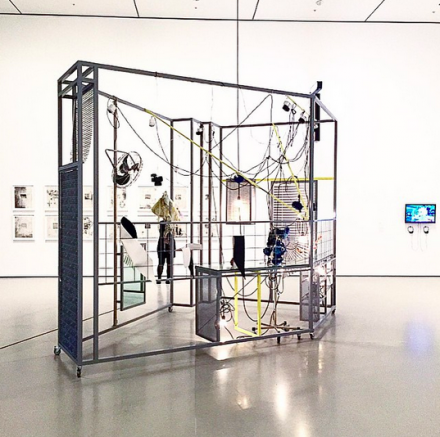
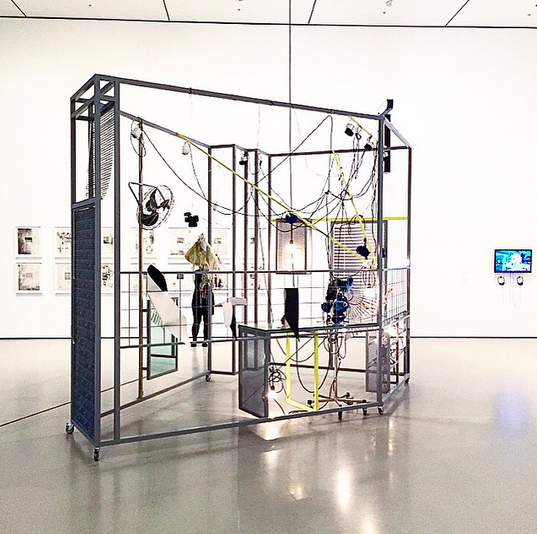
Haegue Yang, Sellim (2009), via Art Observed
Currently on view at MoMA through April of next year, Scenes for a New Heritage: Contemporary Art from the Collection offers a carefully balanced rumination on the processes and practices that have defined the past three decades of contemporary art. Looking back at a diverse series of explorations into the political, visual and spatial interests of artists and their recent practices, the show is a remarkably broad rumination on contemporary art today, one that feels particularly strong during the summer gallery lull in New York. Read More »
| Comments Off on New York – “Scenes for a New Heritage: Contemporary Art from the Collection” at MoMA Through April 10th, 2016 | | 
September 6th, 2015
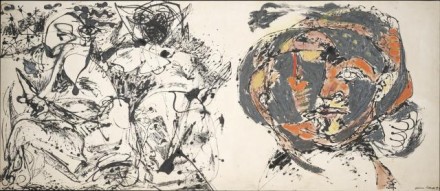
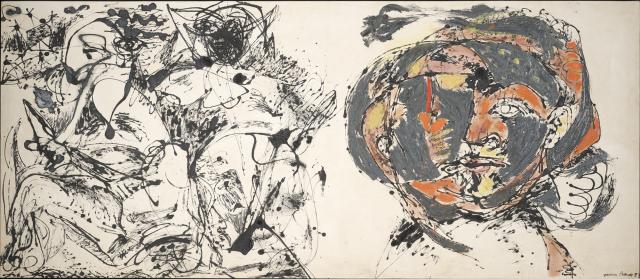
Jackson Pollock, Portrait and a Dream (1953), courtesy Tate Liverpool
Jackson’s Pollock’s early black paint pours return from a 30 year exhibition hiatus this summer at Tate Liverpool, showcasing some of the largest works that were created between 1951 and 1953 in this approach. While often lacking the vibrant color that often defined the artist’s work in the “pour” technique, these works reflect a refinement of much of Pollock’s previous innovation. Many of the artist’s works in this exhibition have never been seen in the United Kingdom, and demonstrate major significance in identifying Pollock’s stylistic shifts during the later years of his career. Read More »
| Comments Off on Liverpool – Jackson Pollock: “Blind Spots” at Tate Liverpool Until October 18th, 2015 | |
September 6th, 2015
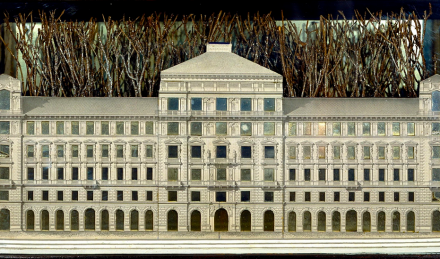
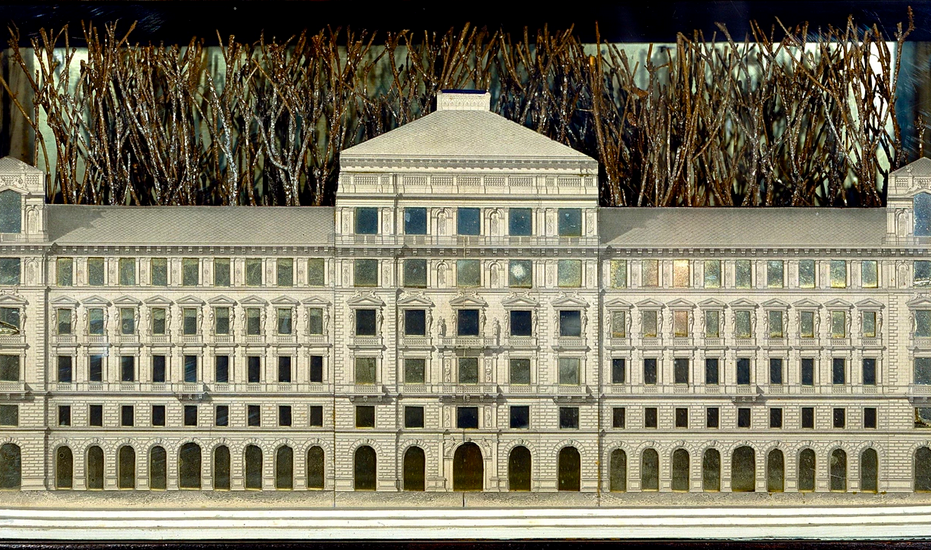
Joseph Cornell, Palace (1943), Courtesy Royal Academy
Despite his adventurous stylistic innovations, roving tastes and depth of vision, Joseph Cornell rarely left New York State. The American artist lived much of his life as a textile worker, as well as other odd jobs, while caring for his family in a Flushing, Queens home, while spending his free time creating his massively influential “shadow boxes,” assemblages, films and collaged objects, a body of work that won him praise from Marcel Duchamp, and would go on to influence a range of artists, from the abstract expressionists through to conceptual practices today. Read More »
| Comments Off on London – Joseph Cornell: “Wanderlust” at The Royal Academy of Art Through September 27th, 2015 | |
September 5th, 2015
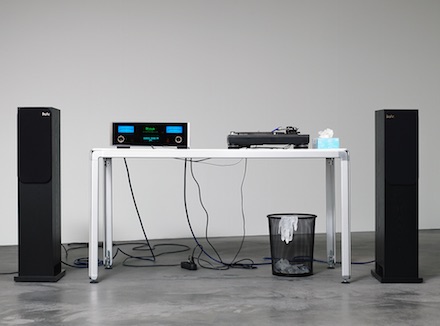
Cory Arcangel, AUDMCRS (Installation View) all images courtesy Galerie Thaddaeus Ropac Paris Pantin
On view at Galerie Thaddaeus Ropac is a solo exhibition by American artist Cory Arcangel, a pioneer for a generation of artists devoted to the archaeology, reuse and re-appreication of computer technologies. Arcangel has built an international reputation for his performances, videos, installations, and computer-generated works, but here turns his attention to more antiquated modes of digital music, tracing the use and dissemination of certain pieces of gear, musical genres and gestures in modern pop and dance music.
Read More »
| Comments Off on Paris – Cory Arcangel: “AUDMCRS – PSK – SUBG” at Galerie Thaddaeus Ropac Paris Pantin Through Sep 27th, 2015 | |
September 3rd, 2015
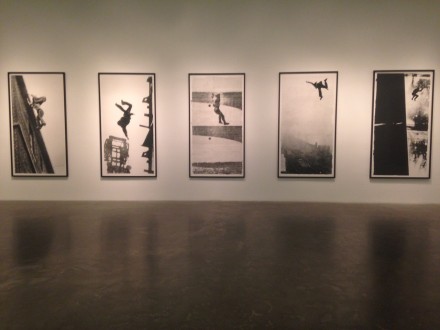
Sarah Charlesworth, Stills (1980) (Installation View)
One of the preeminent figures of Pictures Generation, Sarah Charlesworth is the subject of an expansive retrospective at the New Museum, on view through September 20th. Curated by Massimilano Gioni and Margot Norton, the show spans the broad career of the late artist, tracing her visceral practice, each gallery on the second floor reserved for a different series by the artist. Considered a key member in a group of mostly female artists that dismantled set methods of looking at images while complicating the imposed grammar of photography, Charlesworth delivered an impressive body of work that eventually cemented her as a Conceptualist more than a photographer as she herself underlined occasionally. Read More »
| Comments Off on New York – Sarah Charlesworth: “Doubleworld” at The New Museum Through September 20th, 2015 | |
September 2nd, 2015
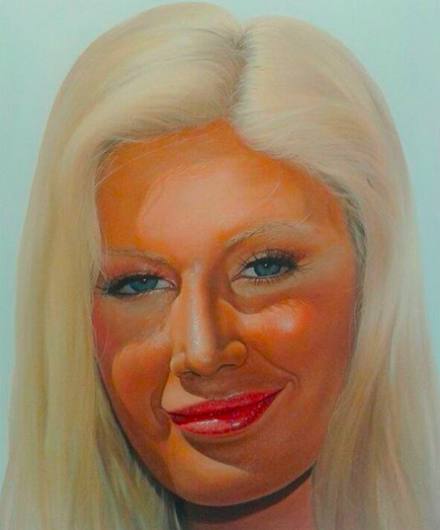
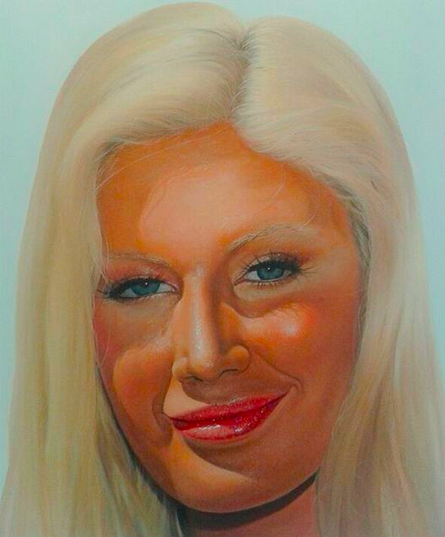
Chason Matthams, Heidi (2010), via Art Observed
In our daily lives, we are constantly bombarded with imagery, navigating through the chaos of web pages, textbooks, etc. These images are being infinitely reproduced and distributed, passing through our perceptual filters to either be kept indefinitely or to be ignored entirely. This summer, Miami-born artist Chason Matthams works with Thierry Goldberg to put on his first New York solo show, Advances, None Miraculous, delving further into the chaos to create non-linear narratives from this image detritus, making comparisons that might otherwise be ignored. Read More »
| Comments Off on New York – Chason Matthams: “Advances, None Miraculous” at Thierry Goldberg Through September 13th, 2015 | |
August 31st, 2015
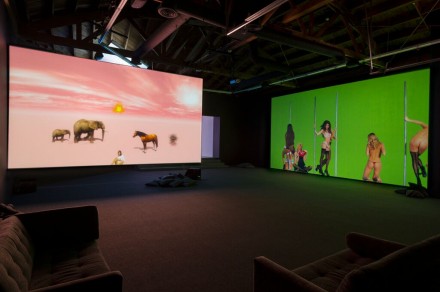
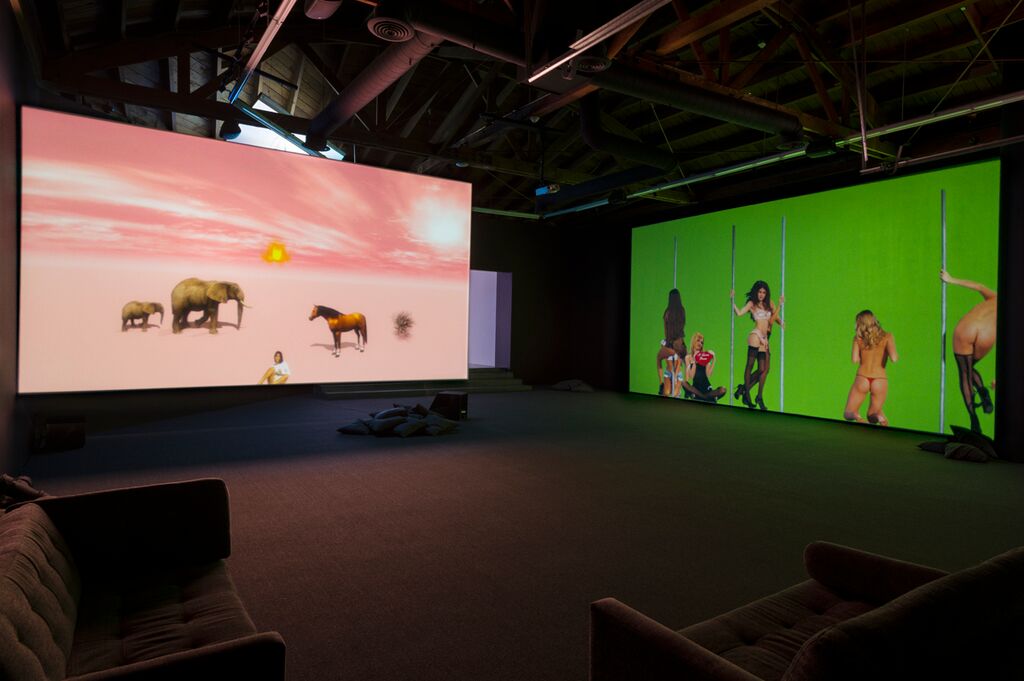
Petra Cortright ‘Niki Lucy Lola Viola’ (Installation View), all images courtesy of Jeff McLane
Currently at The Depart Foundation is NIKI, LUCY, LOLA, VIOLA, a solo exhibition by Los Angeles based artist Petra Cortright, curated by Paul Young. Brightly illuminating the pitch black walls of The Depart Foundation, Cortright presents a series of works that delve into the imaginative depths of the internet-literate modern mind. Video and animation are approached with careful attention to composition, transforming them into fully immersive presentations that function in both time and space. As Cortright pushes the limitations of her compositions, she also familiarizes viewers with videos, digital paintings, and flash animations that utilize the aesthetic and landscape of the digital. Read More »
| Comments Off on Los Angeles: Petra Cortright ‘NIKI, LUCY, LOLA, VIOLA’ at the Depart Foundation Through September 12th, 2015 | |
August 30th, 2015
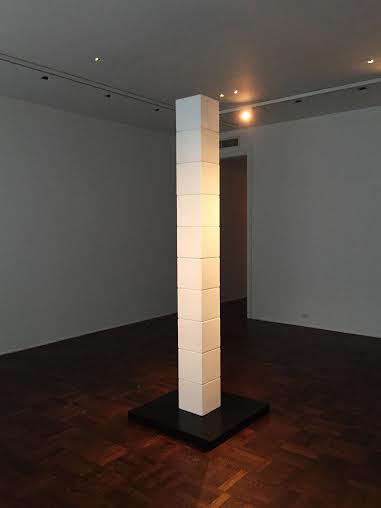
James Lee Byars, The Figure of Death (1987), via Art Observed
This summer, Michael Werner Gallery’s New York location exhibits a pair of sculptures from James Lee Byars; The Figure of Death (1987) and The Moon Column (1990) are shown concurrently with two other exhibitions of Byars’ work, The Diamond Floor and The Poetic Conceit and Other Works, on view at the gallery’s London and Berlin locales, respectively. Read More »
| Comments Off on New York: James Lee Byars: “The Figure of Death and The Moon Column” at Michael Werner through September 3rd, 2015 | |
August 27th, 2015
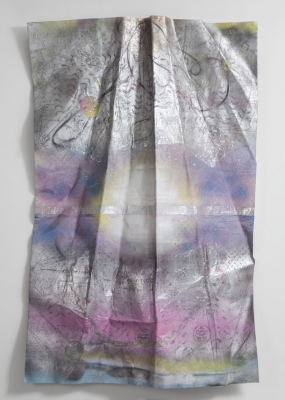
Marc Quinn, The Toxic Sublime – The Toxic Sublime – 7&3Y6″>;X[:0#’y (2015), via White Cube
Artist Marc Quinn returns to his beloved shoreline for a new exhibition of works at White Cube this month, a continuation of the artist’s ongoing interest with the motion and resulting detritus that defines patterns of water, flow, and humanity’s relationships with these fluid forces. Read More »
| Comments Off on London – Marc Quinn: “The Toxic Sublime” at White Cube Through September 13th, 2015 | |
August 26th, 2015
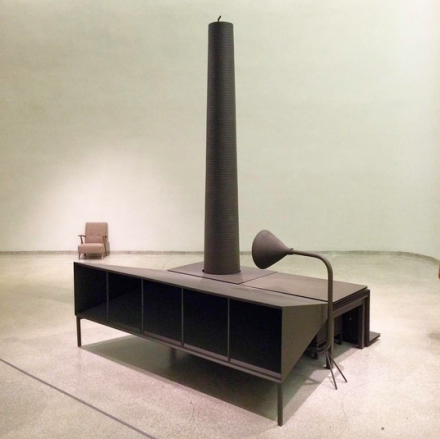
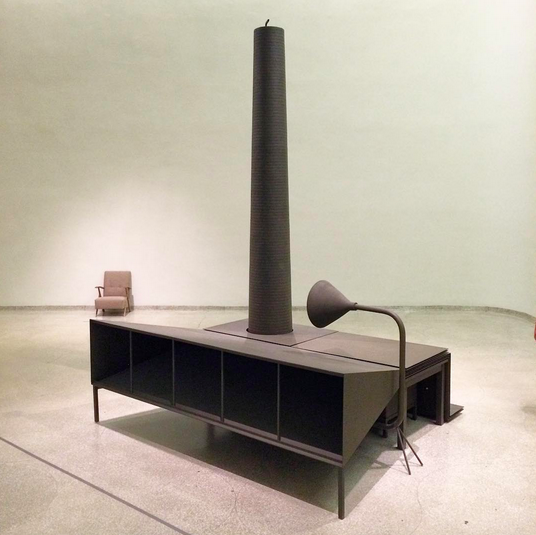
Mark Manders, Room with Reduced Chair and Camouflaged Factory (2003) , via Art Observed
Compiled from over 100 works in the Guggenheim Museum’s personal collection, the current exhibition at the uptown institution, Storylines: Contemporary Art at the Guggenheim, feels like something of a victory lap for the museum, following up on its excellent On Kawara exhibition with an extended show of contemporary works that spans the last thirty years, and which uncovers a broad curatorial focus at the core of its collection. Emphasizing a nuanced interest in the narrative as a core unifying element for disparately realized works, objects and assemblages, Storylines pulls from diverse practices to portray the often challenging representative missions that contemporary artists set for themselves. Read More »
| Comments Off on New York – “Storylines” at the Guggenheim Museum Through September 9th, 2015 | |