September 4th, 2016
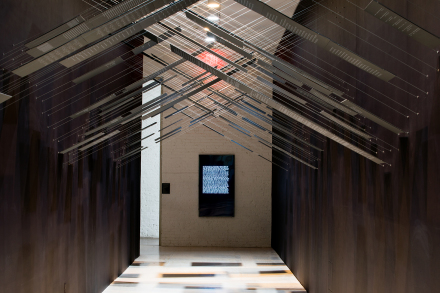
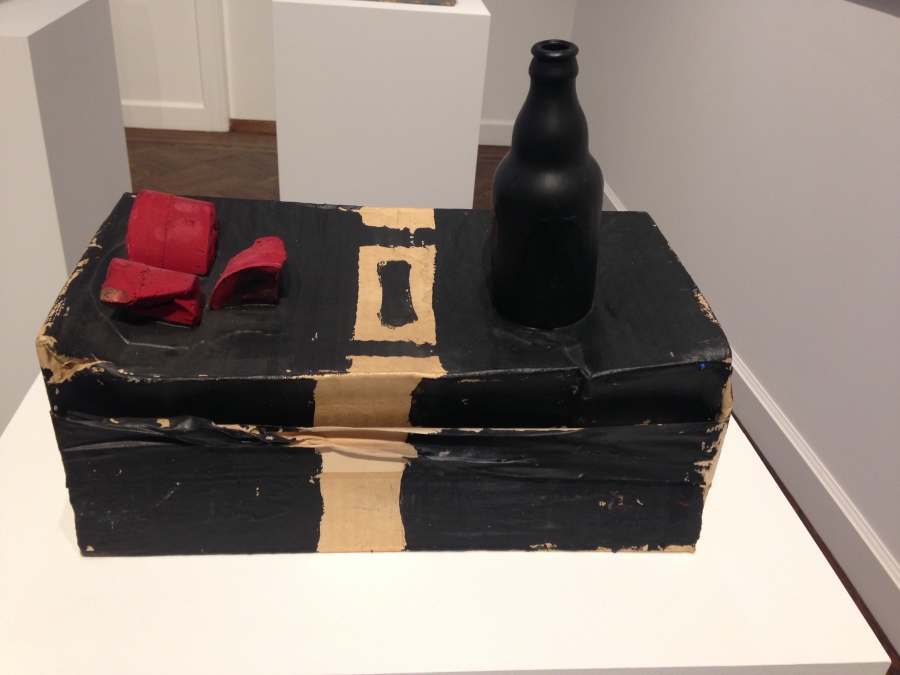
Vito Acconci, WHERE WE ARE NOW (WHO ARE WE ANYWAY?), 1976 (Installation View)
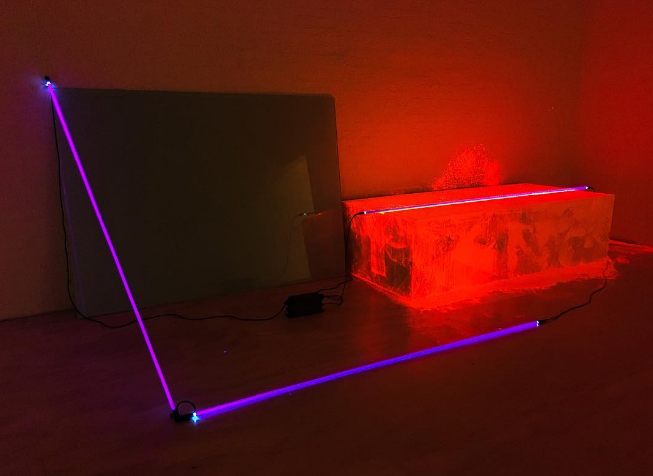
Continuing a consideration of its nearly half-century long history in New York City, MoMA PS1 is celebrating its fortieth anniversary with an exhibition dedicated to the early career of artist Vito Acconci, a pioneer of body and performance art in the United States during the 1960’s and 70’s that drove forward new concepts and perceptions of art practice while PS1 was similarly expanding the concept of the exhibition space. WHERE WE ARE NOW (WHO ARE WE ANYWAY?), 1976 focuses on Acconci’s works from the late ‘60s and early ‘70s—the years that proceeded the opening of PS1 as an experimental, non-profit art center under the guidance of Alanna Heiss. Read More »
| Comments Off on New York — Vito Acconci: “Where We Are Now (Who Are We Anyway?), 1976” at MoMA PS1 Through September 18th, 2016 | | 
September 3rd, 2016

Liu Wentao, Untitled (2015), via White Cube
Taking over the full two-floor layout of White Cube’s Mason’s Yard exhibition space, the gallery’s summer exhibition the world is yours, as well as ours explores the richly diverse and energetic forms of Chinese painterly abstraction, considering its format beyond facile classifications as a corollary to Western technique. Delving into the cultural histories and forms of Chinese painting over the past centuries, White Cube presents the abstraction of China’s current crop of artists as a deeper engagement wth a range of practices between modernism and more traditional approaches to the painterly surface. The show places Taoist thought at its base, exploring how the appreciation of abstract form in Chinese culture more broadly has left the door open for diverse experiences and engagements with the canvas in the modern era. Read More »
| Comments Off on London – “The world is yours, as well as ours” at White Cube Through September 17th, 2016 | |
September 2nd, 2016
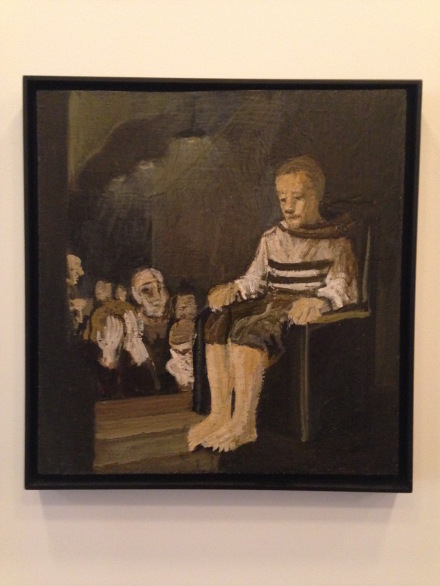
A.R. Penck, Elektrischer Stuhl (1960), all photos via Osman Can Yerebakan
Climbing up the winding staircase of Michael Werner Gallery’s Upper East Side townhouse and entering the exhibition space, one is immediately faced with Elektrischer Stuhl (Electric Chair), a painting of a man being executed before a group of mourners. The work, by Neo-Expressionist painter A.R. Penck, perhaps best embodies the artist’s combination of abrasive political gesture with his particular sense of aesthetic operation. Early Works, on view at the gallery through September 3rd, outlines the body of Penck’s work in Dresden in the ‘60s and early ‘70s, when the influential artist suffered under the harsh social and political climate prevailing in East Germany. It was during this period that the artist was the subject of an embargo by the government on his works, ultimately leading him to flee his hometown for Cologne, where he received a marked degree of critical and commercial acclaim.
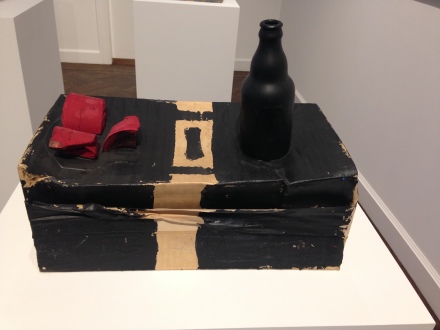
A.R. Penck, Standart-Modell/CCCP-Studie (1972-73) Read More »
| Comments Off on New York — A.R. Penck: “Early Works” at Michael Werner Gallery Through September 3rd, 2016 | |
September 1st, 2016
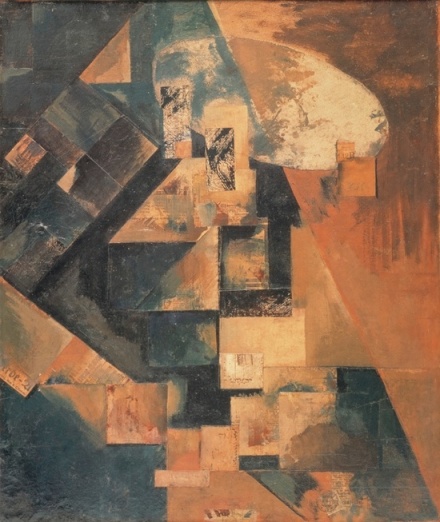
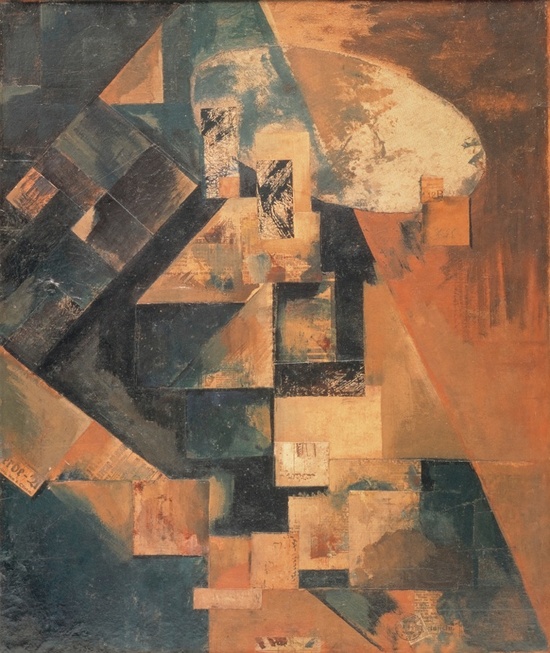
Kurt Schwitters, Merzbild 1B Bild mit rotem Kreuz (Merzpicture 1 B Picture with Red Cross) (1919), via Hauser and Wirth
Joining in the celebration of the Dada Movement’s 100th birthday this year in Zürich, Hauser and Wirth gallery has selected a premier group of works by on of the style’s prominent masters, bringing together works by Kurt Schwitters, and simultaneously placing them in conversation with pieces by Hans Arp and Joan Miró. Examining the personal relationships and shared formal interests over the course of each artist’s work in the first half of the 20th Century, the exhibition is a fascinating blend of historical background and visual tour-de-force, bringing together a rare series of works through a less frequently explored series of connections.

Hans Arp, Geometrische Collage (Collage geÌometrique) (1918), via Hauser and Wirth
Read More »
| Comments Off on Zürich – “Schwitters Miró Arp” at Hauser and Wirth Through September 18th, 2016 | |
August 31st, 2016
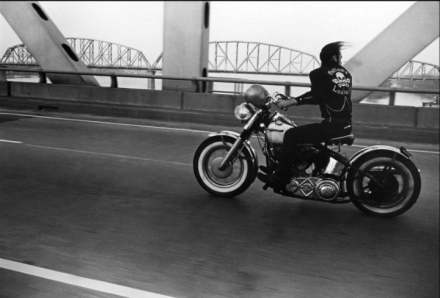
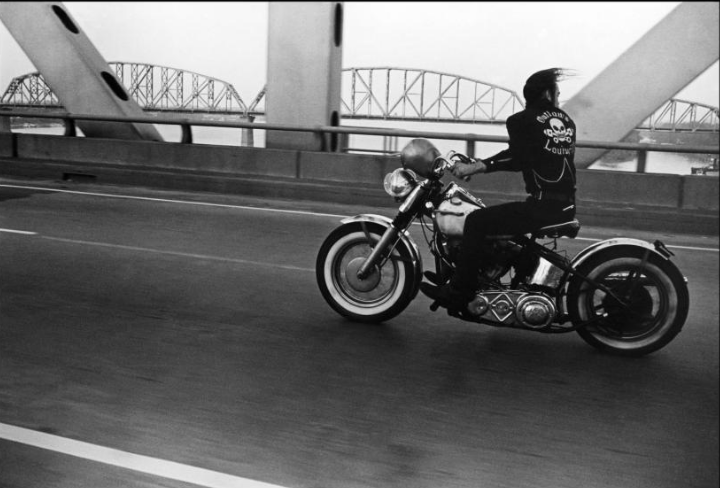
Danny Lyon, Crossing the Ohio River, Louisville, 1966 (1966), via Whitney Museum of American Art
Exhibited at a critical moment of heightened tensions regarding civil liberties in America, Danny Lyon’s retrospective exhibition transforms the Whitney’s fifth floor into a space for cultural reflection. Set against a backdrop that confronts pertinent issues regarding violence, incarceration, and inequality, Lyon’s work chronicles a complex photographic history of the racial, social, and political issues that are currently challenging the United States anew in the 21st Century. The serious tone of his work is met with the intimacy in which he engages with his subjects, offering a sense of hope while putting a deeply human face on subjects who are marginalized and oppressed. Read More »
| Comments Off on New York— Danny Lyon: “Message to the Future” at the Whitney through September 25th, 2016 | |
August 30th, 2016
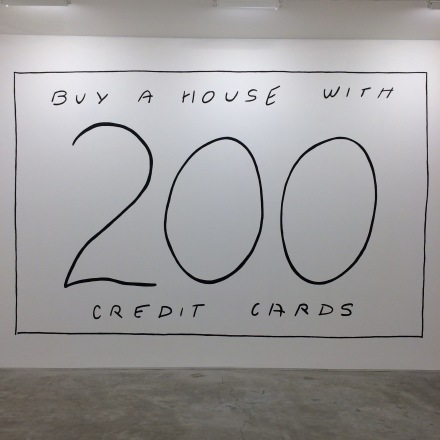
Jessica Diamond, No Money Down (1986/2016), via Art Observed
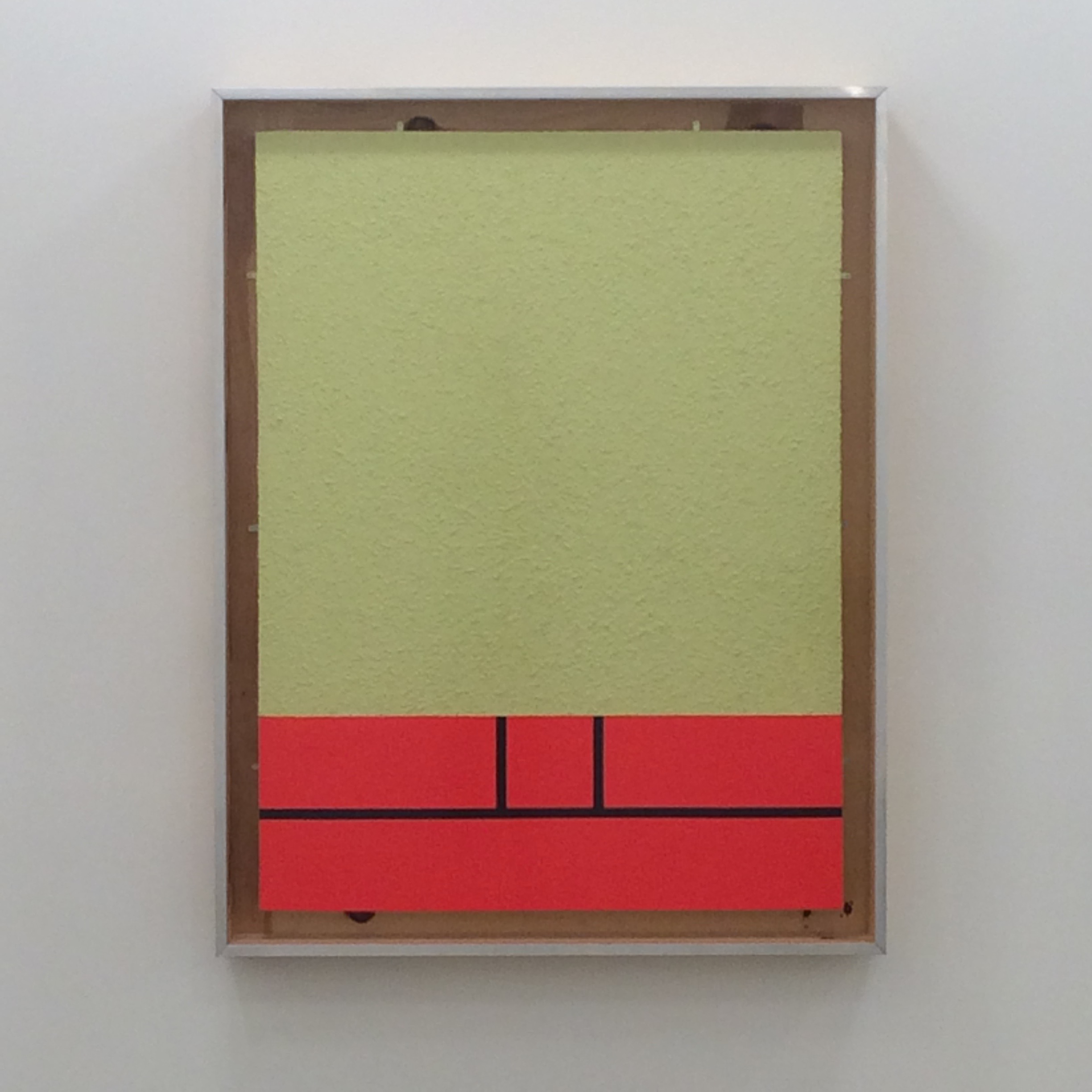
Taking the currently fraught political climate in the U.S. as a starting point for a deeper reflection on national and local history, James Fuentes’s summer group show offers a fitting cultural parallel in the early years of the 1980’s in New York City. Charting the era’s conservative economic and foreign policies, the exhibition, curated by Andrew J. Greene & James Michael Shaeffer, brings together works by Nayland Blake, Jessica Diamond, Peter Halley and Robert Morris executed between 1982 and 1984. Recording and critiquing a range of social and economic crises during the era, the show is a subtly resonant look at the deeper histories of cultural critique in the city, and the role artists have played in this process.
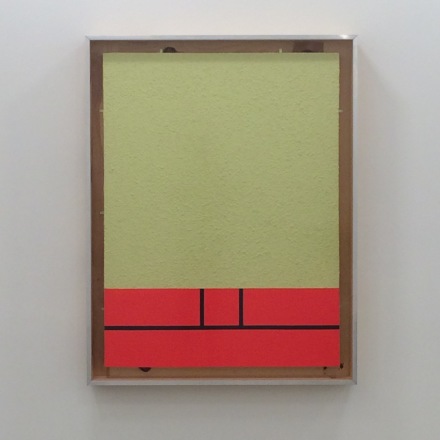
Peter Halley, Yellow Cell with Conduit (1982), via Art Observed
Read More »
| Comments Off on New York – “Bad Faith” at James Fuentes Through September 11th, 2016 | |
August 29th, 2016
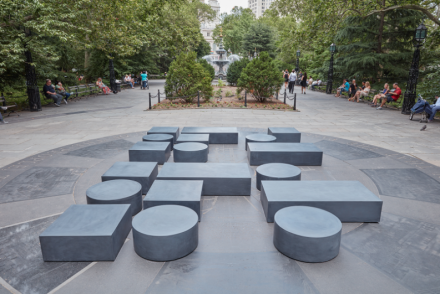
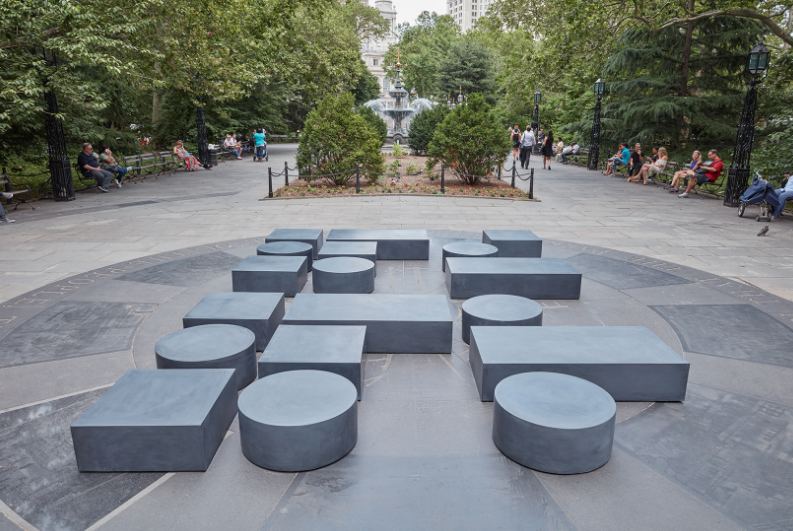
Adam Pendleton, Untitled (code poem) (2016), via Public Art Fund
The Public Art Fund’s The Language of Things, inspired by Walter Benjamin’s 1916 essay On Language as Such and on the Language of Man, takes on a challenging prompt this summer, seeking to communicate with the public through works that utilize language and linguistic themes in one of the most congested and sonically dense spaces in the city, just outside of City Hall downtown. Benjamin’s assertion that “there is no event or thing in either animate or inanimate nature that does not in some way partake in language” further deepens this show’s proposed dialogue, looking at complexities of language as a utilitarian, communicative tool, to emphasize Benjamin’s conclusion that “it is in the nature of each one to to communicate its mental contents.” Read More »
| Comments Off on New York — “The Language of Things” at City Hall Park Through September 29th, 2016 | |
August 28th, 2016
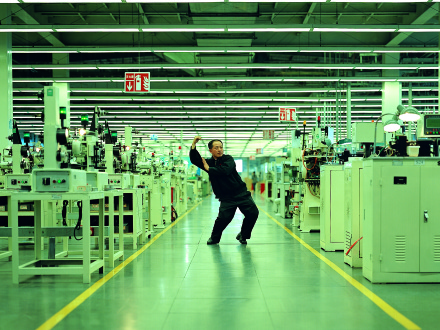
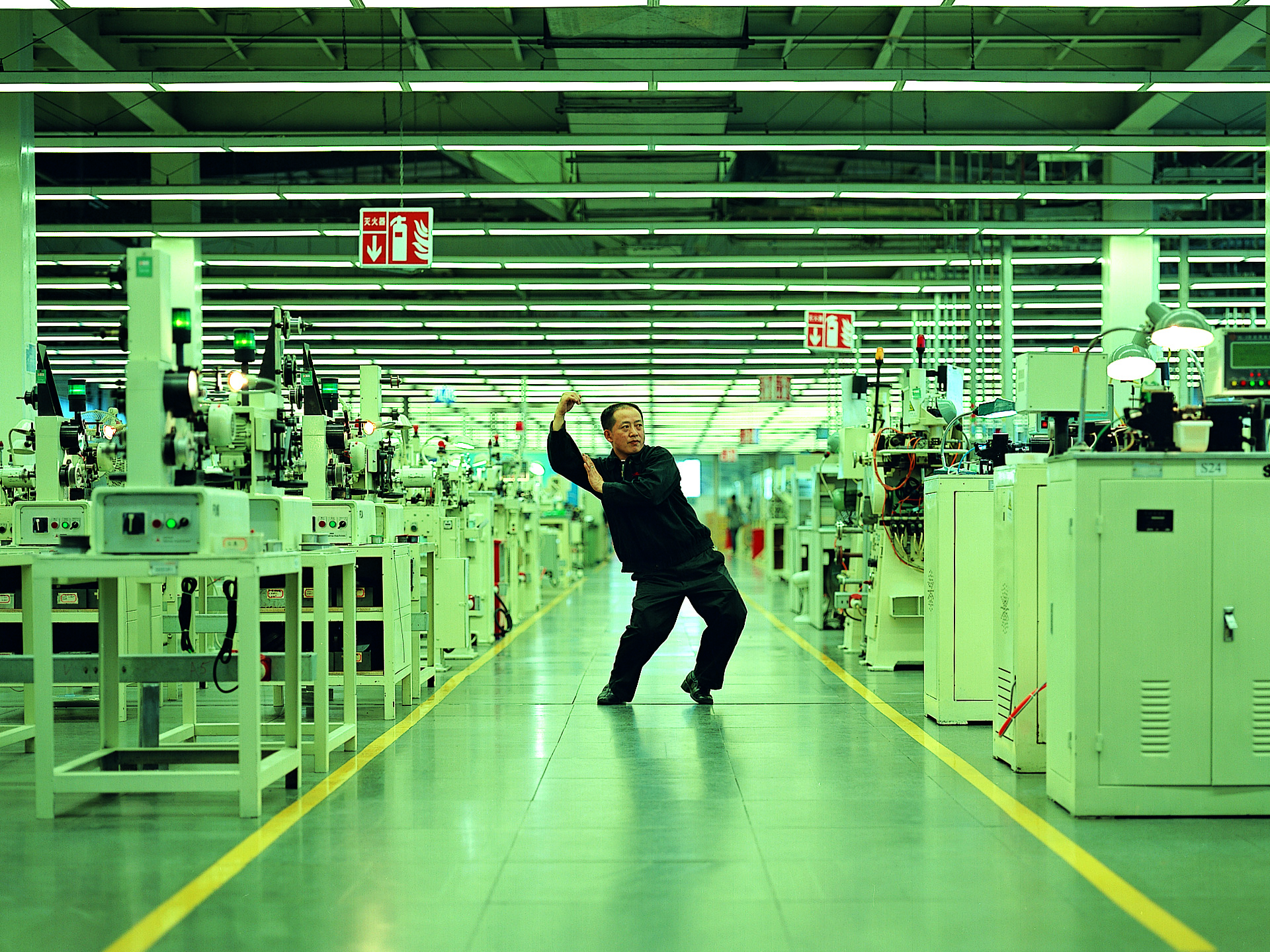
Cao Fei, Whose Utopia (2006), courtesy MoMA PS1
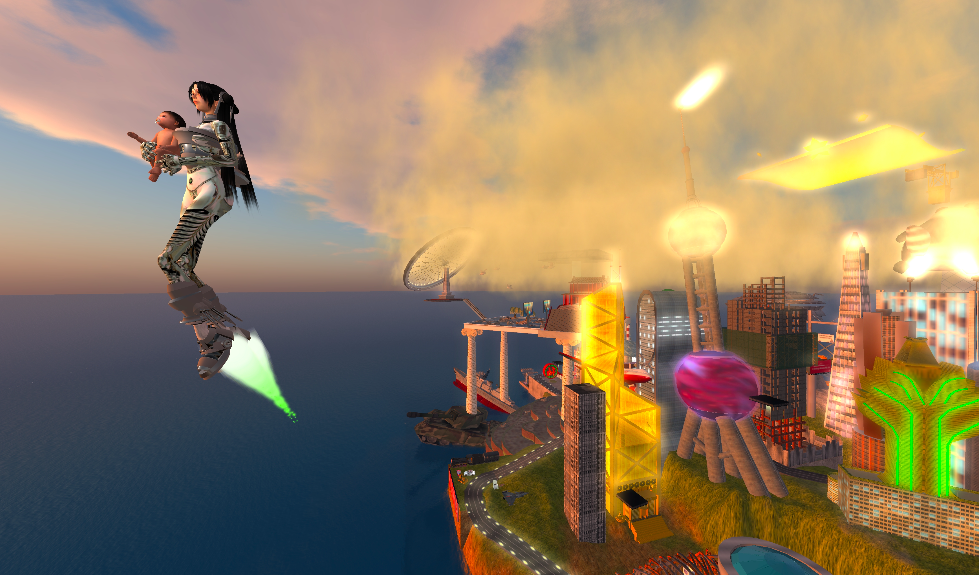
Currently on view at MoMA PS1, Cao Fei presents her first ever solo museum exhibition in the United States. The artist’s practice, while rooted in video, performance and photography, takes on a sort of ever-shifting, fluid mode of inquiry into the modes of reality and fantasy in the 21st Century, underscoring human desire’s inextricable links with its economic and material bounds. Presented here, the show’s slowly unfolding range of interests, from bizarre diorama work to her several year engagement with Second Life, to a series of intuitive and empathetic portraits of modern subcultures, traces the Chinese artist’s ability to navigate multiple modes of understanding and existence in the face of an increasingly mechanized modernity.
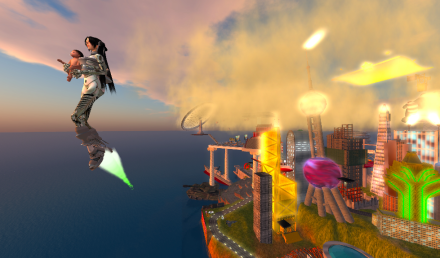
Cao Fei, RMB City: A Second Life City Planning (2007-2011), Courtesy MoMA PS1
Read More »
| Comments Off on New York – Cao Fei at MoMA PS1 Through August 30th, 2016 | |
August 27th, 2016
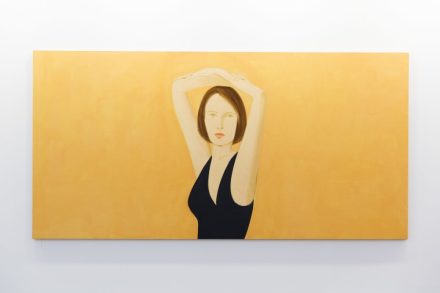
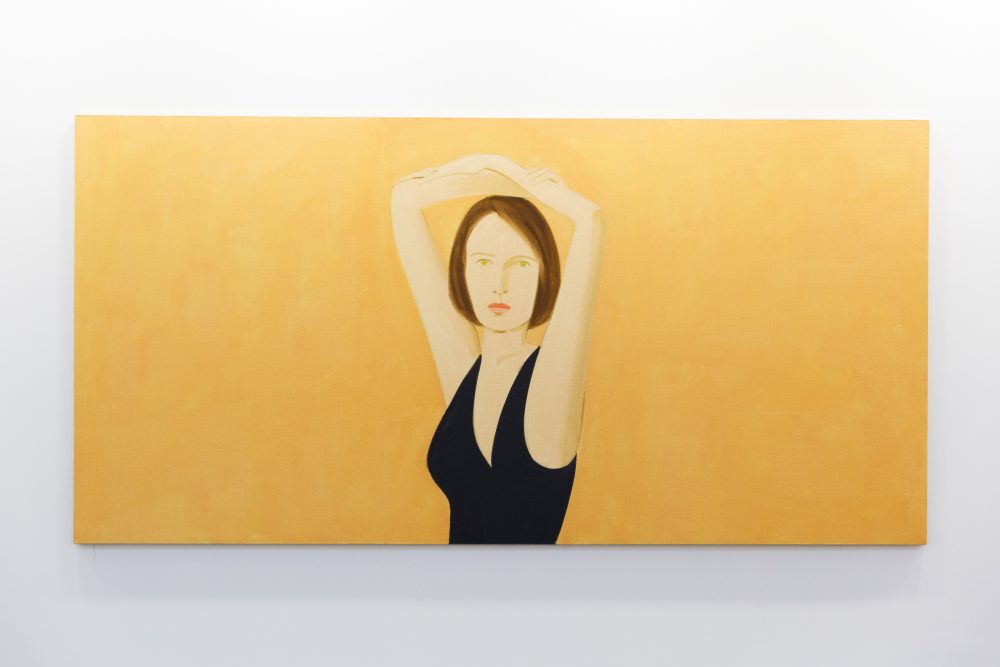
Quick Light (Installation View), all images courtesy Serpentine Gallery
Quick Light, an exhibition of recent paintings by American artist Alex Katz has taken over the Serpentine Galleries in London this summer, showcasing the artist’s expressive range and signature style through September 11th, 2016. The exhibition centers in particular on Katz’s landscape paintings or “environmental landscapes,” which seek to envelope the viewer in a single encounter with the sublime. Large-scale canvasses, often depicting human and natural forms, fill the gallery space, a particularly well-selected body of work that addresses both the artist’s long history and the unique grounds of the Serpentine itself Read More »
| Comments Off on London – Alex Katz: “Quick Light” at The Serpentine Galleries Through September 11th, 2016 | |
August 26th, 2016
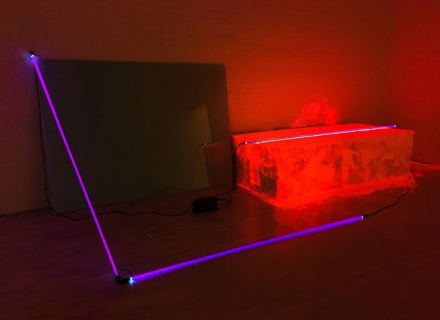
Keith Sonnier, Ba-O-Ba Fluorescent (1970), via Art Observed
Celebrating the forty year history of its residency at the school building in Long Island City, MoMA PS1 has launched an impressively expansive exhibition reflecting on the history and continued vitality of the alternative art spaces movement in both its impact on the history of 20th Century art, as well as its resonance in the field today. Culling together a diversely focused but attentively arranged group of artists, FORTY presents a series of studies on the voices of the 1970’s New York art community, and its broader connections to the changing face of contemporary art during the era. Read More »
| Comments Off on New York – “FORTY” at MoMA PS1 Through August 28th, 2016 | |