August 4th, 2016
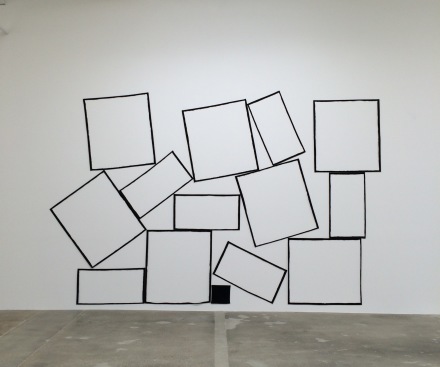
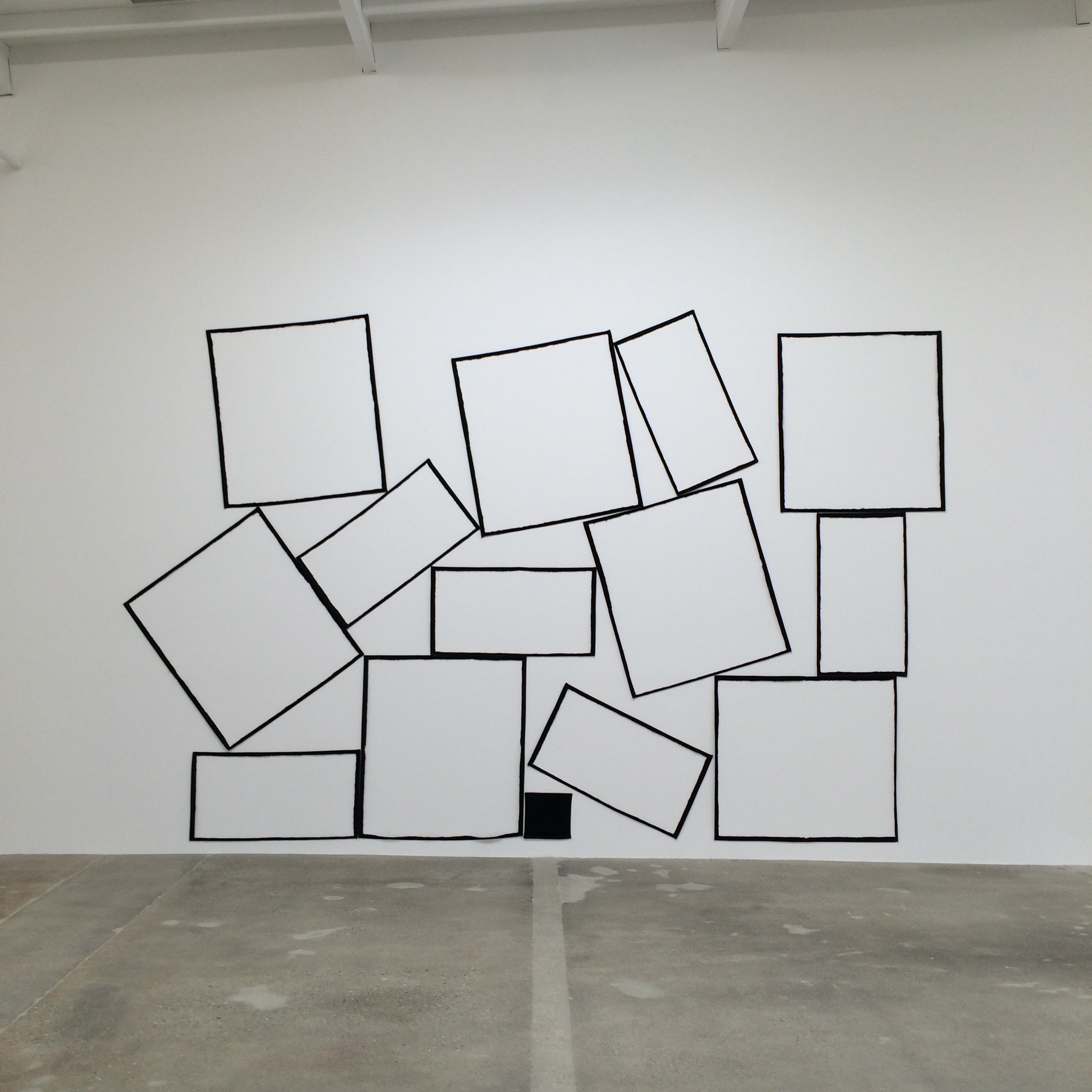
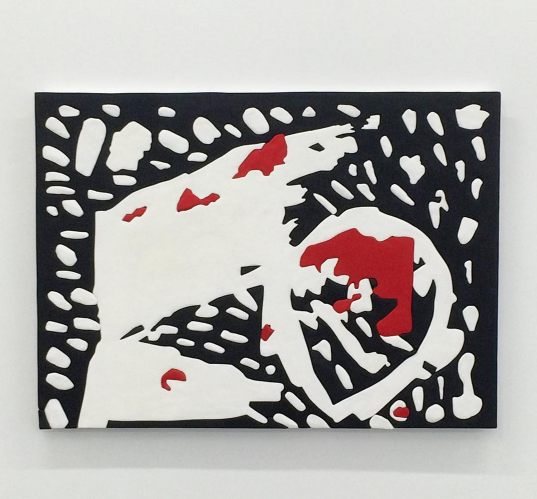
Paul Lee, Lung (2016), via Art Observed
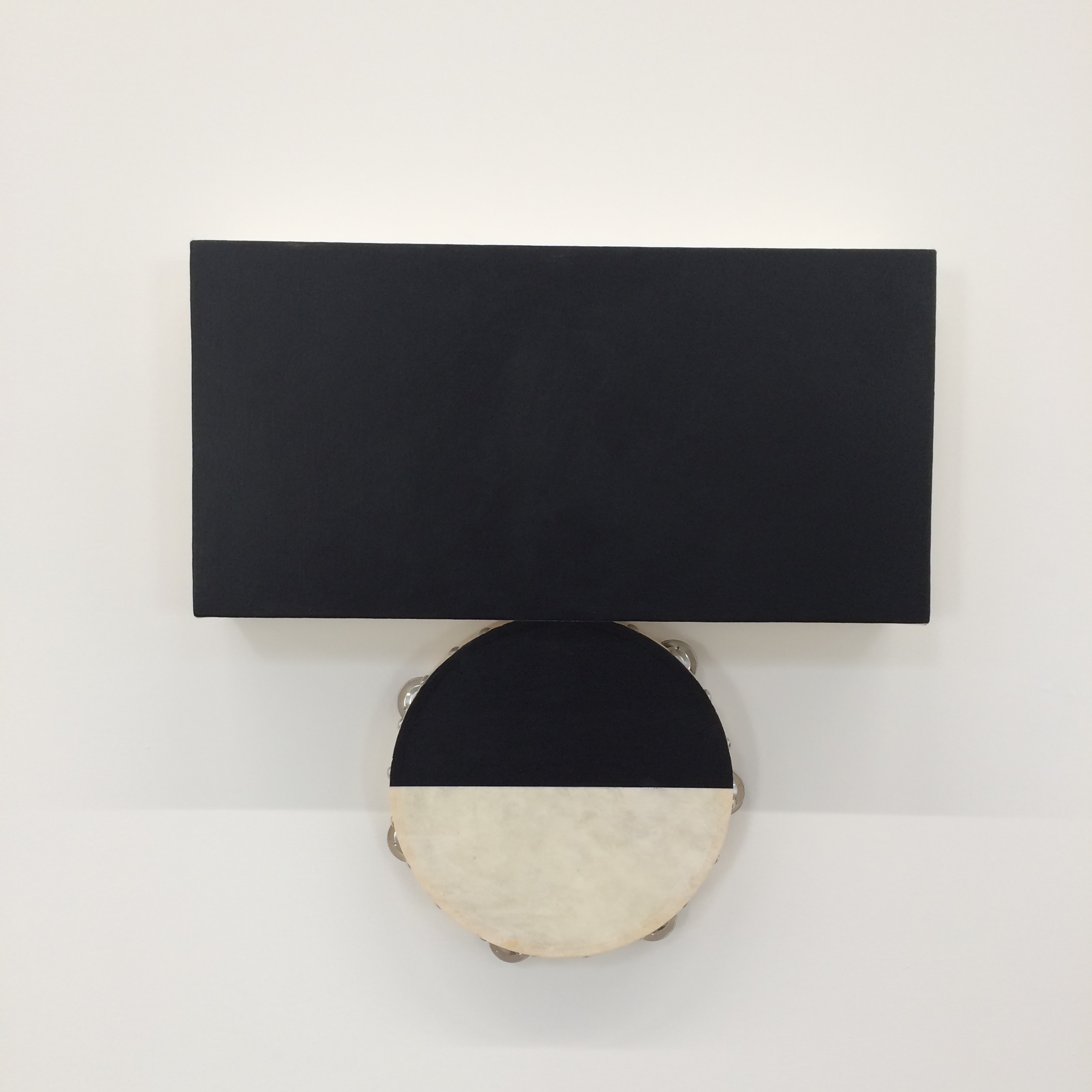
Currently on view at Maccarone Gallery in LA, New York-based Paul Lee has brought a series of his enigmatic assemblages to bear on the gallery walls. The artist, who previously worked between film and photography, has branched out over the course of his career into a wide variety of techniques, formal elements and material engagements, turning his attention here to a minimal selection of objects that allow him to explore a series of visual correlations and systems within Maccarone’s spacious rooms.
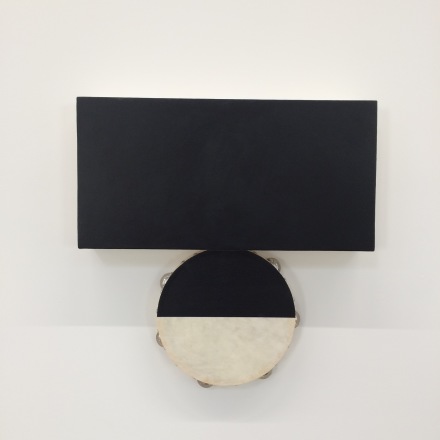
Paul Lee, Either Side of the Night (2016), via Art Observed
Read More »
| Comments Off on Los Angeles – Paul Lee: “Layers for a Brain Corner” at Maccarone Gallery Through August 12th, 2016 | | 
August 2nd, 2016

Francis Alÿs, Paradox of Praxis 5: Sometimes we dream as we live & sometimes we live as we dream Ciudad Juárez, México (2013), via David Zwirner
This month, Francis Alÿs returns to London for his first exhibition in the city in over 15 years, opening his third exhibition of work with David Zwirner Gallery. Focusing on the intense political history and narco-violence that has plagued the North Mexican city of Ciudad Juárez for over a decade, the artist’s particular investigative style leaves the experience of this corruption and murder-torn border town distinctly inconclusive, a point that only contributes to the already tragic nature of its story.

Francis Alÿs, Untitled (2013), via David Zwirner
Read More »
| 1 Comment » | |
August 2nd, 2016
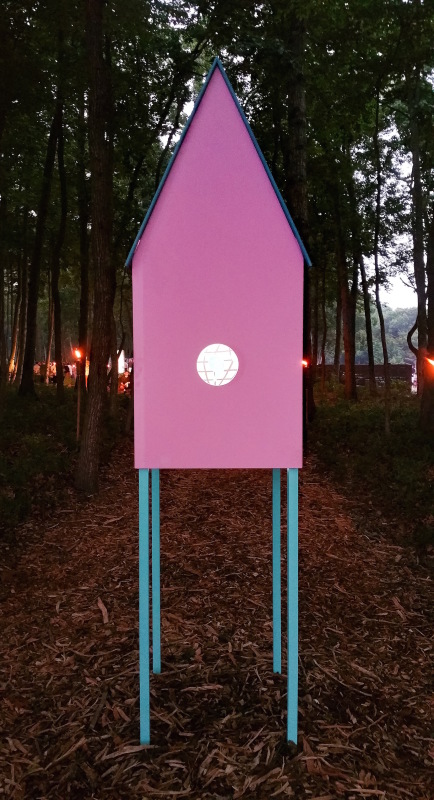
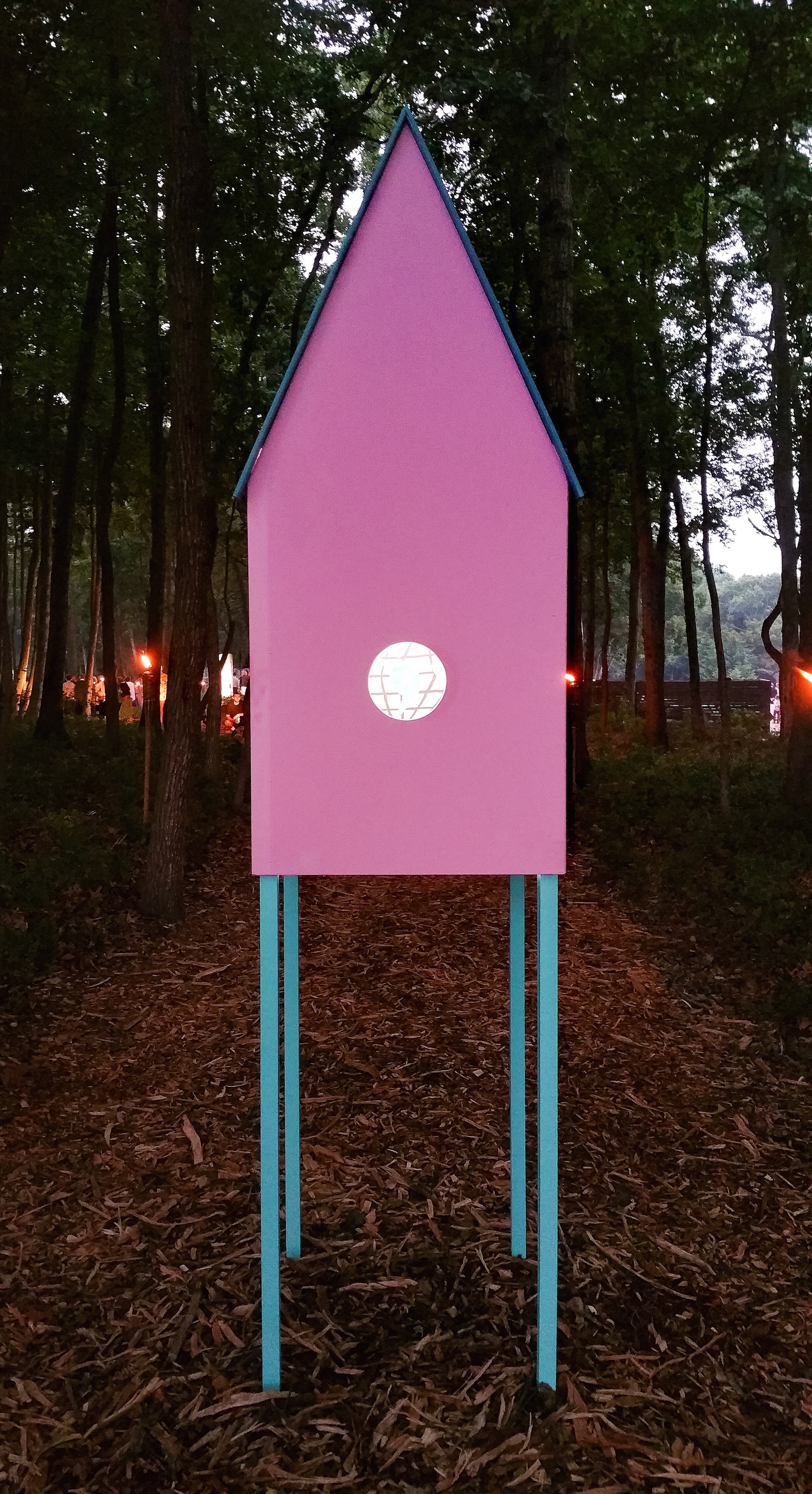
Christopher Knowles, House (2016), via Art Observed
A staple of the summer arts calendar, Robert Wilson’s Watermill Center hosted its annual benefit and auction this past weekend, bringing a score of artists, benefactors and revelers to the center’s scenic Long Island property. Launching the event in collaboration with the Bruce High-Quality Foundation, which seems to be slowly but surely returning to a more concrete, object-oriented practice after several years almost exclusively focused around the BHQFU, the event featured As We Lay Dying, a new selection of works and performances spread out across the Watermill grounds, executed in conjunction with a series of sound installations by composer and artist Anohni. Read More »
| Comments Off on Watermill, New York – “FADA House of Madness”: The 23rd Annual Watermill Center Summer Benefit, July 30th, 2016 | |
July 29th, 2016
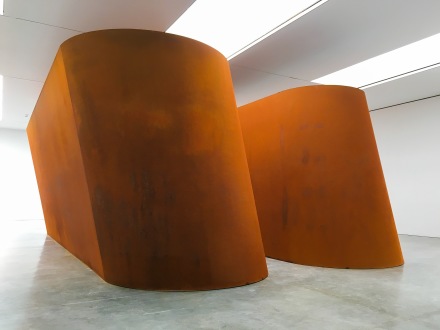
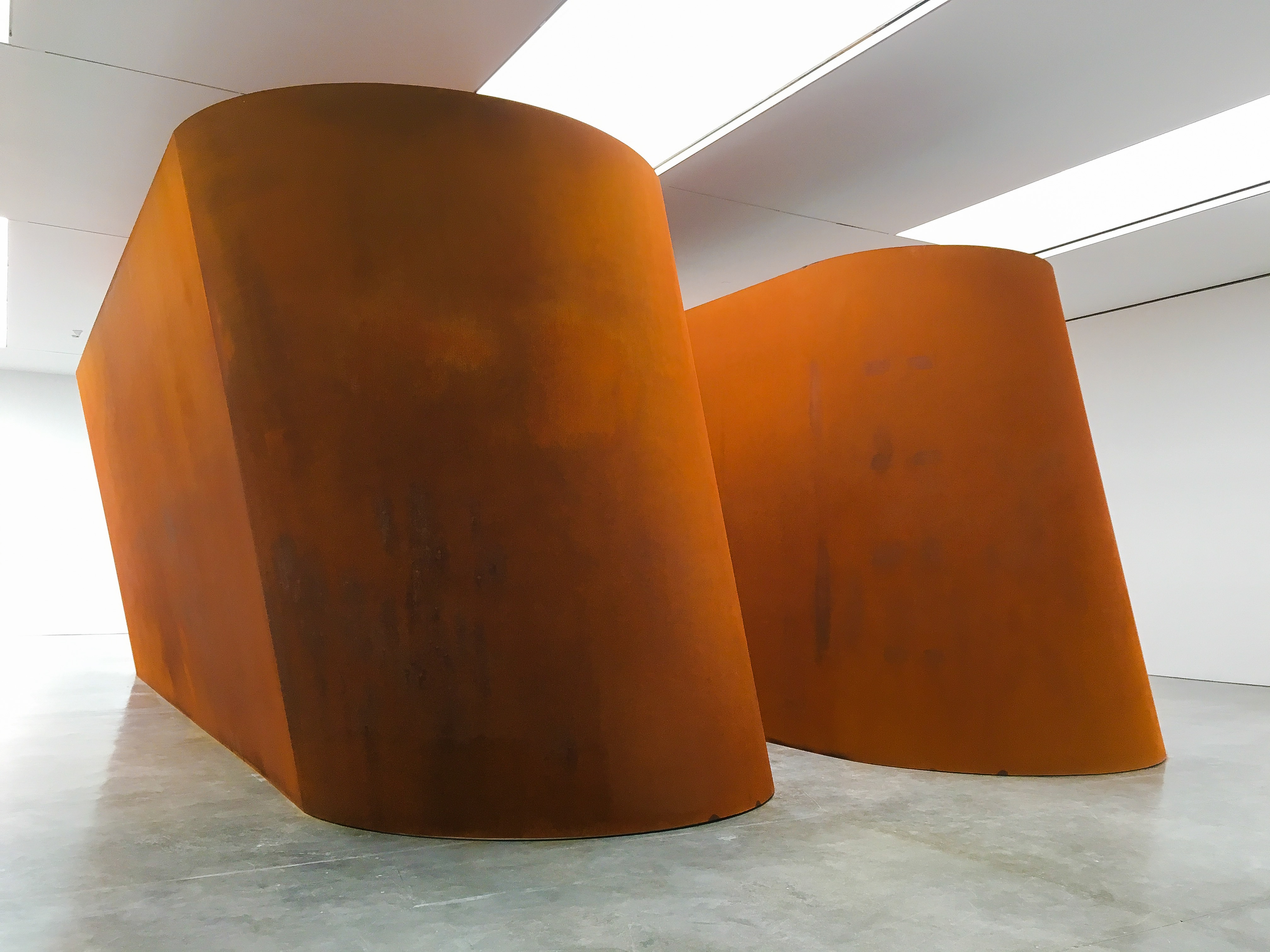
Richard Serra, NJ-1 (2016), via Art Observed
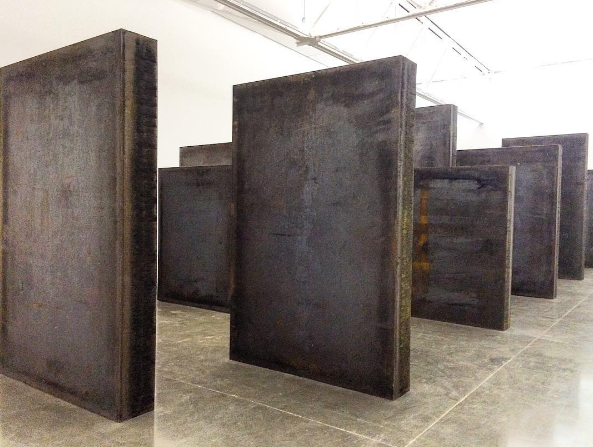
Spread across both of Gagosian’s Chelsea exhibition spaces, Richard Serra’s immense spatial investigations have returned to New York City, marking a continuation and expansion of the artist’s already tightly honed sculptural language. Consisting of a total of only four works, the gallery is showing Serra’s immense rolled steel work NJ-1 in its 21st Street space, while giving over its 24th Street gallery to a trio of Serra’s pressed steel installations, a pairing that sees him returning to his precise visual vocabulary while pushing its expressive limits.
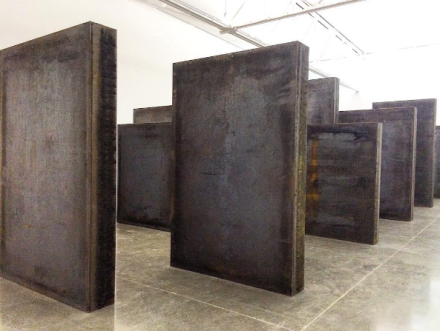
Richard Serra, Every Which Way (2015), via Art Observed Read More »
| Comments Off on New York – Richard Serra on View at Gagosian Gallery Through October 22nd, 2016 | |
July 28th, 2016
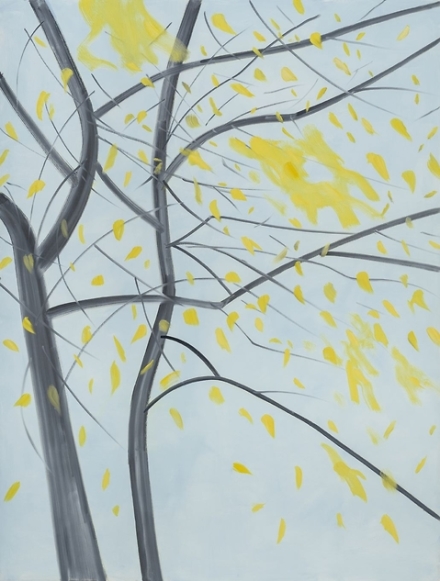
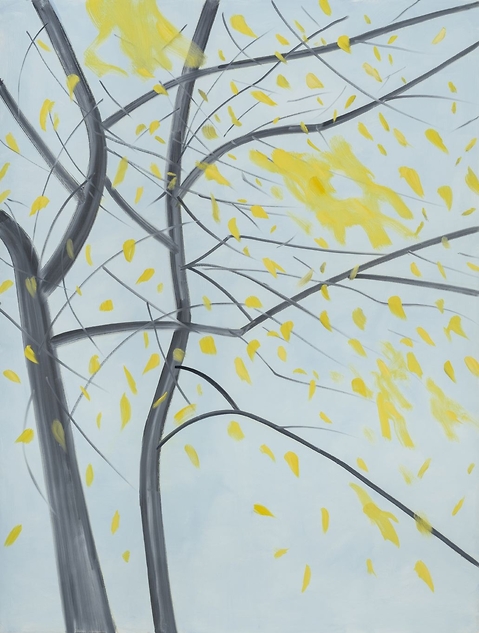
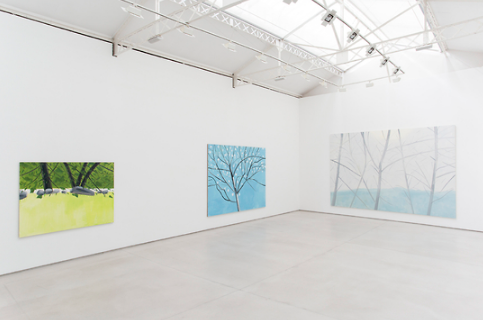
Alex Katz, Fall (2015), via Thaddaeus Ropac
Continuing his recent surge of output, Alex Katz has brought a new series of landscapes to Thaddaeus Ropac’s Paris Marais exhibition space. Bringing his attention yet again to the landscapes of Maine, the artist’s work here presents his calm, subdued style in a fitting conversation with the untouched curves and lines of Northern New England.
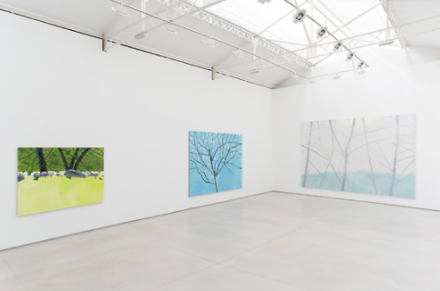
Alex Katz, New Landsacpes (Installation View), via Thaddaeus Ropac
Read More »
| Comments Off on Paris – Alex Katz: “New Landscapes” at Thaddaeus Ropac Through July 30th, 2016 | |
July 28th, 2016
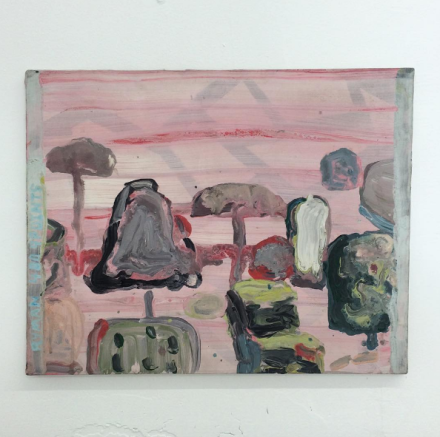
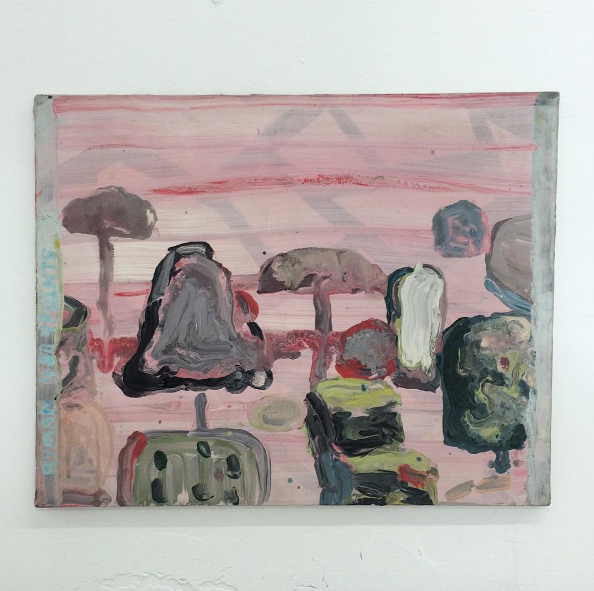
Brian Belott, Untitled (After Guston) (1995), via Art Observed
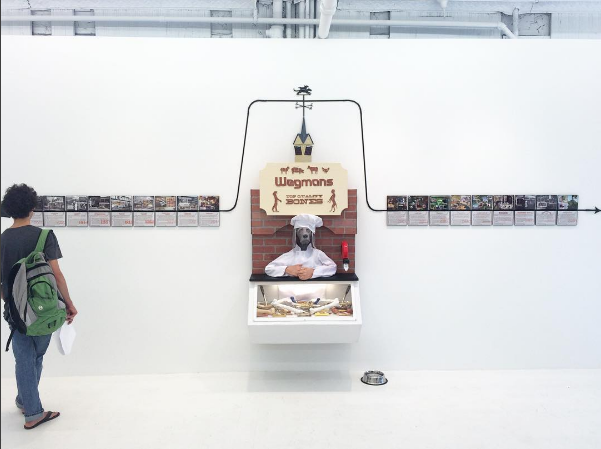
Gavin Brown’s 291 Grand Street location is playing home to the gallery’s summer exhibition this month, a cunning and often comical play on art history curated by painter Brian Belott. Inviting a group of artists to take their own improvisational runs on various artists from the last 100 years of painting and sculpture, the show plays on the memory of Glenn Gould, whose own takes on popular figures and music themes equally expressed his own artistic brilliance.
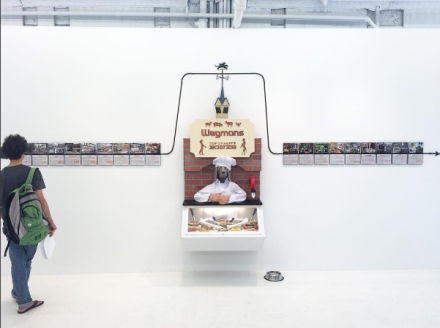
Bobo, The Legendary Impetus Behind Wegmans (2016), via Art Observed
Read More »
| Comments Off on New York – “Goulding the Lolly” at Gavin Brown Through July 30th, 2016 | |
July 28th, 2016
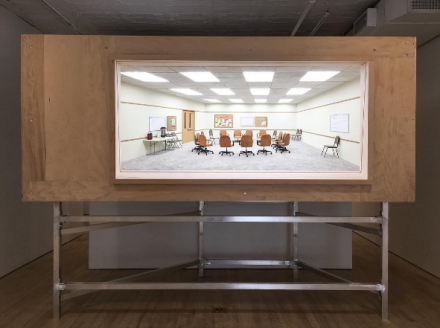
Roxy Paine, Meeting (2016), via Art Observed
The concept of “the narrative” is one that feels increasingly relevant in a contemporary art context defined in part by gestures and approaches that owe much to the last 60 years of creative practice. Considering the work in relation to an isolated other, a sort of phantom context that either motivates, grounds or produces the work in question ultimately seems to be one such strategy for re-invigoration of the techniques used in creating the object itself. This is the strategy through which the current group exhibition at Pierogi’s LES Gallery space, False Narratives, presents its artists, compiling work that not only explores the construction of ulterior situations and modes for the work itself, but equally questions these narratives as unreliable.
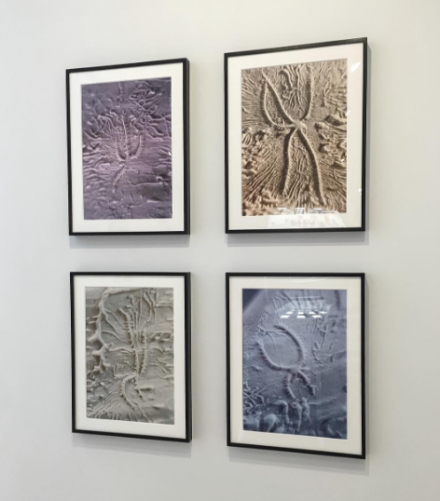
Brian Conley, Decipherment of Linear X (2004), via Art Observed
Read More »
| Comments Off on New York – “False Narratives” at Pierogi Gallery Through July 31st, 2016 | |
July 27th, 2016
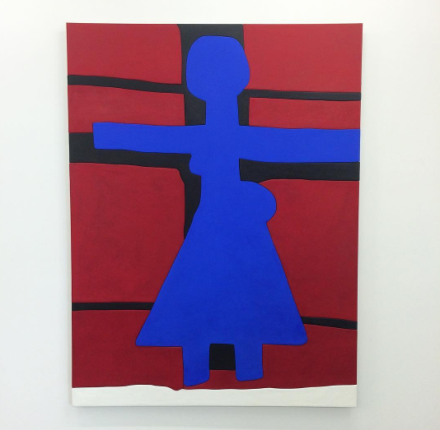
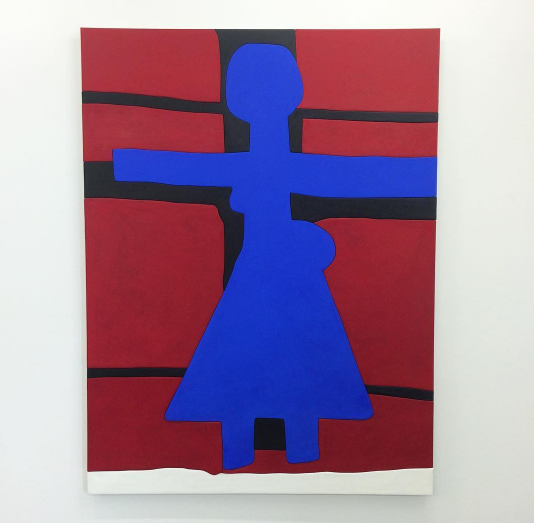
Sadie Benning, The Crucifixion (2015), via Art Observed
Artist Sadie Benning has returned to New York for a strong summer exhibition this month, filling Mary Boone’s Fifth Avenue location and Callicoon Fine Arts’s downtown space with a series of mixed media pieces that continue a taste for colorful abstraction, formal evasiveness, and cartoonish figures, applied here towards the perception of and reflection on the presence of higher powers. Viewing the catastrophes and power struggles of modern society through the lens of the divine, Benning has realized a series of images depicting various gods and value systems in her signature blocks of color, lending a loose style to already weighty subject matter.
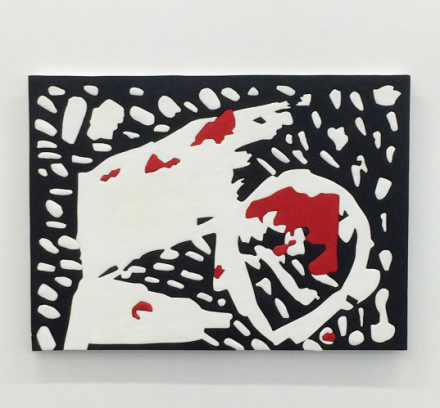
Sadie Benning, Nature (2015), via Art Observed
Read More »
| Comments Off on New York – Sadie Benning: “Green God” at Mary Boone and Callicoon Fine Arts Through July 29th, 2016 | |
July 26th, 2016
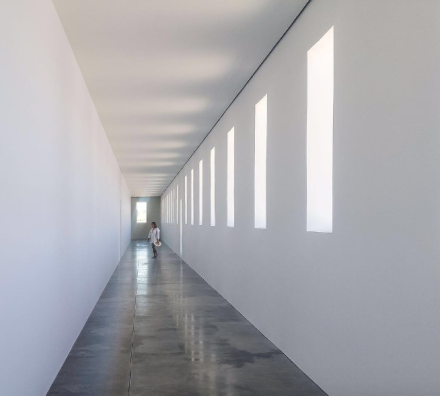
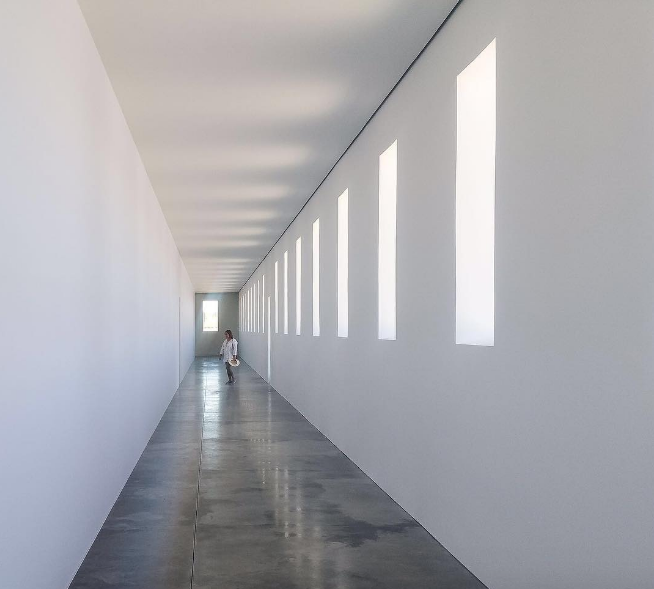
Robert Irwin, Dawn to Dusk (2016), via Art Observed
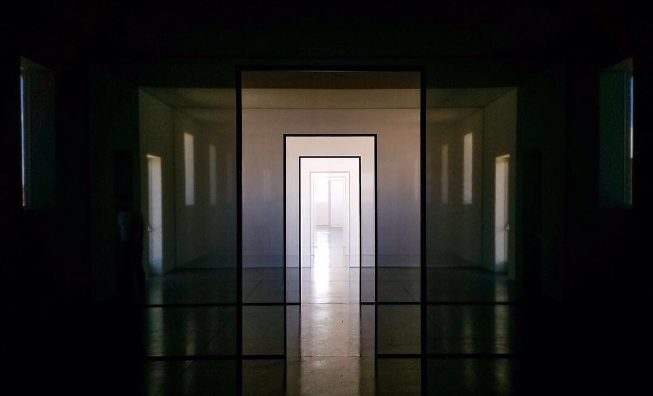
For the past two decades, Robert Irwin’s installation in the Texas town of Marfa has been something of a distant possibility, a long-rumored project commissioned by the Chinati Foundation, and focused around the dilapidated grounds of the former Fort D.A. Russell hospital where the organization makes its home. Now complete, the massive installation work, Irwin’s only permanent, free-standing composition, has transformed the space into a placid marker of time, a place where meticulous architectural geometries make masterful use of the West Texas sun and landscape in a prime example of Irwin’s unique sculptural vocabulary.
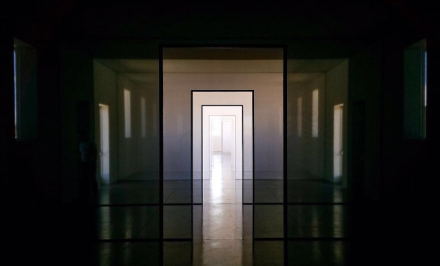
Robert Irwin, Dawn to Dusk (2016), via Art Observed
Read More »
| Comments Off on AO On Site, Marfa, TX – Robert Irwin: Debut of “Dawn to Dusk” Permanent Installation at Chinati Foundation | |
July 25th, 2016
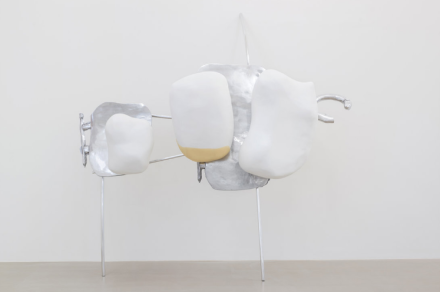
Nairy Baghramian, Scruff of the Neck (LR 30/31/32), All images via Marian Goodman Gallery
Now on view, Marian Goodman Gallery in London is presenting Scruff of the Neck, a series of site-responsive sculptures by artist Nairy Baghramian. This is Baghramian’s first major solo show in London since The Walker’s Day Off at the Serpentine Gallery in 2010, and continues the Berlin-based Iranian artist’s practice in creating formally inventive sculptures that operate in both physiological and mechanical dimensions, articulating and reflecting the artist’s interest in exploring the space of the body in a non-habitual way. Read More »
| Comments Off on London – Nairy Baghramian: “Scruff of the Neck” at Marian Goodman Through July 29th, 2016 | |